The federal government's tariff refund claims portal goes live Monday, marking the start of what could be one of the largest repayment efforts in U.S. trade history. More than $160 billion is owed to American importers following a February Supreme Court decision that struck down the Trump administration's emergency tariff authority, according to CNBC. The system, called the Consolidated Administration and Processing of Entries (CAPE), is being managed by U.S. Customs and Border Protection and is designed to let importers — from multinationals to mom-and-pop shops — submit claims and receive consolidated refunds.
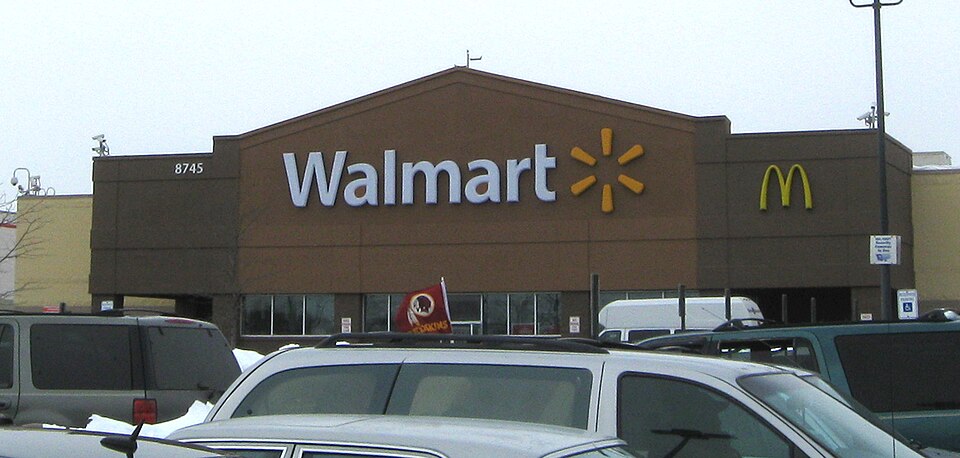
The sums at stake are staggering. Citi analysts estimate Walmart is due roughly $10.2 billion, Target approximately $2.2 billion, and Nike about $1 billion. Kohl's, Gap, and Macy's are projected to receive $550 million, $400 million, and $320 million, respectively. For some of these companies, the refunds could deliver meaningful one-time boosts to their balance sheets, potentially funding share buybacks, debt reduction, or simply padding cash reserves.
But optimism is tempered by deep skepticism in the business community. Trade attorneys are warning of bureaucratic hurdles, extensive validation requirements, and the possibility of a last-minute legal challenge from the administration. "Importers are pessimistic that the government is going to make this easy," said Matthew Seligman, principal at Grayhawk Law. "There's frustration because the Supreme Court already ruled that these tariffs are unlawful." Stefan Reisinger, a partner at Norton Rose Fulbright, echoed that concern, noting "a fair degree of pessimism in the importing community about whether this is really going to work the way it's described."
The refund effort is also becoming a political flashpoint. New York Governor Kathy Hochul is demanding the White House repay consumers directly, arguing tariff costs were passed along to households to the tune of roughly $1,700 each, as reported by amNewYork. Most Wall Street equity teams have not yet built refund proceeds into their forward guidance, and many corporate leaders are taking a wait-and-see approach. How quickly the money flows — and whether the portal functions as promised — will be closely watched in the weeks ahead.