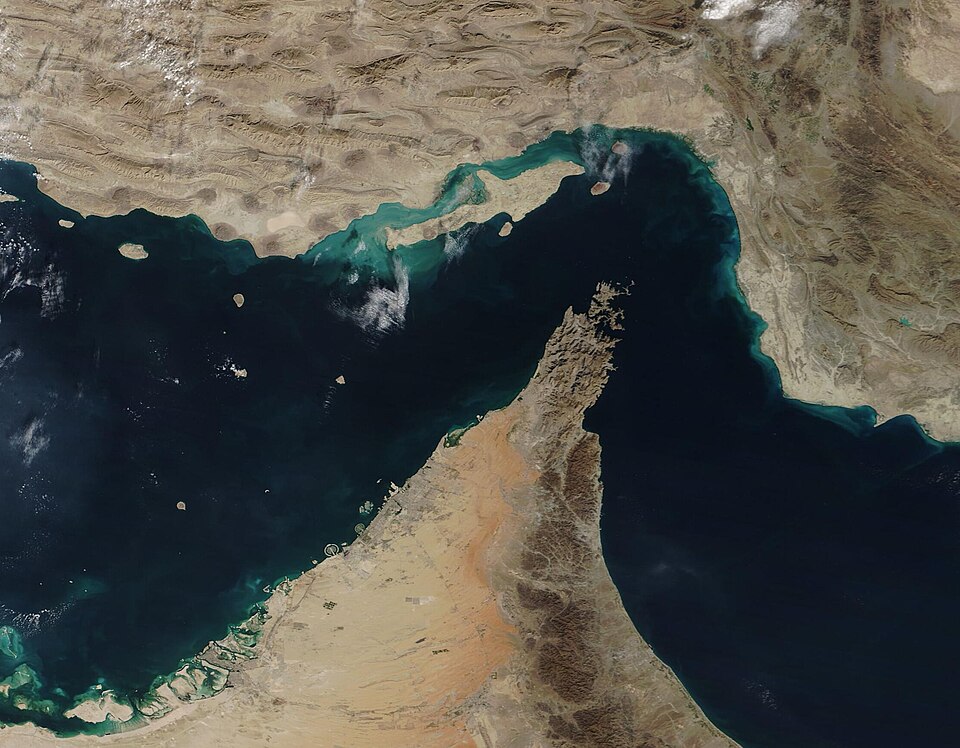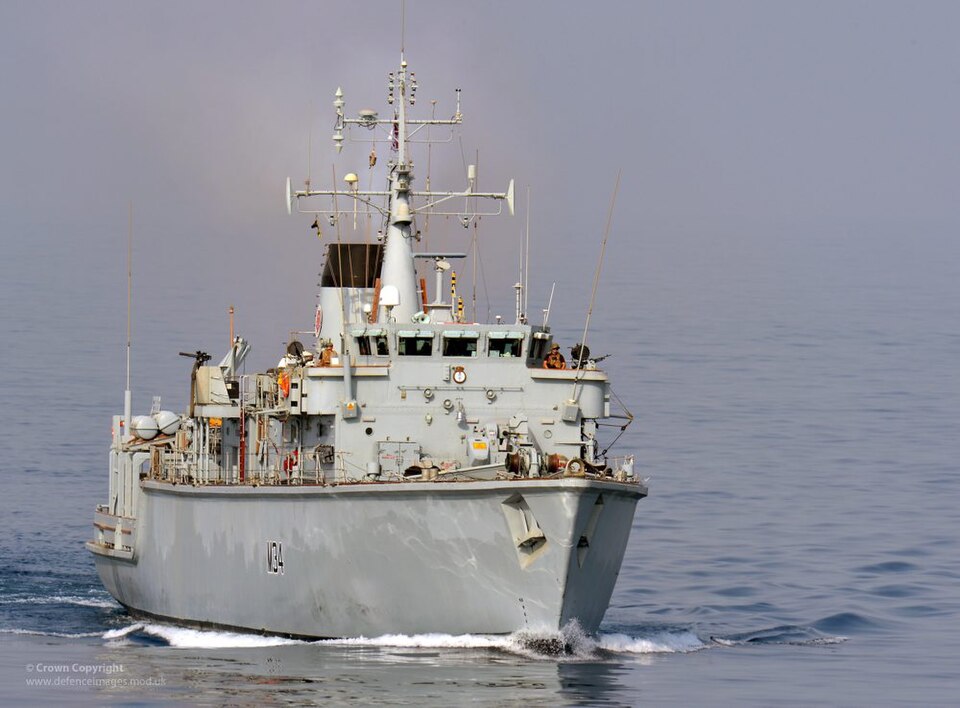
Oil prices spiked on Monday after a dangerous weekend of escalation between the United States and Iran, with both sides attacking commercial ships in and around the Strait of Hormuz. West Texas Intermediate crude surged nearly 7% to close at $89.61 per barrel, while Brent crude advanced more than 5% to settle at $95.48, according to CNBC.
The confrontation began Saturday when Iran's Revolutionary Guard gunboats fired on a tanker in the strait and a container ship was struck by an unknown projectile. The U.S. responded Sunday by firing on an Iranian container vessel in the Gulf of Oman that had attempted to breach the American naval blockade of Iran's ports. Marines subsequently took custody of the ship, President Trump announced on Truth Social. He called Iran's attacks a "total violation" of a ceasefire set to expire this week and renewed threats to destroy Iranian infrastructure if Tehran refuses a deal.
The sudden volatility caught markets off guard. Just last Friday, oil prices had tumbled after Iran declared the strait fully open to commercial traffic under a U.S.-brokered ceasefire agreement in Lebanon. That optimism evaporated quickly when it became clear Iran was still imposing prior transit conditions, and the U.S. refused to lift its blockade. "Oil prices are being whipsawed by developments in the Middle East once again, with what appears to be de-escalation quickly turning to re-escalation," said Warren Patterson, head of commodities strategy at ING.
Prospects for diplomacy remain uncertain. Trump said U.S. and Iranian representatives would hold talks Monday in Islamabad, but Iran's state news agency IRNA reported Tehran would not attend, citing the ongoing naval blockade among its grievances. The collapse of negotiations would leave one of the world's most critical energy chokepoints — through which roughly a fifth of global oil supply passes — in a state of active conflict, with no clear path to resolution.