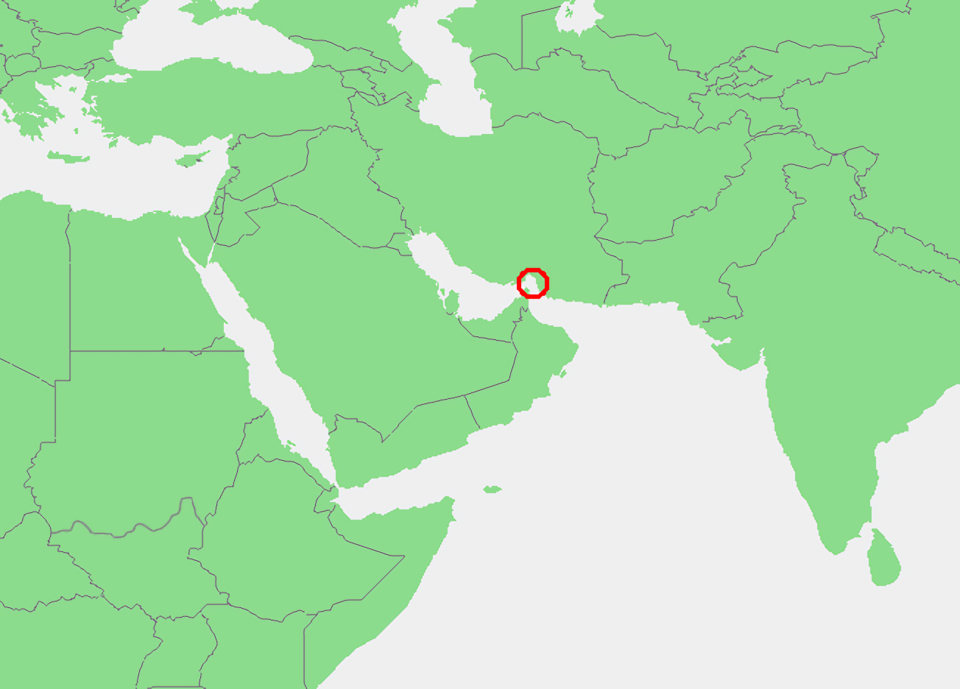
Fifty days into the U.S.-Israel war with Iran, what briefly looked like a path toward peace has veered sharply back toward confrontation. Over the weekend, Iran reopened the Strait of Hormuz to commercial shipping on Friday, sending crude prices plummeting more than 10%. By Saturday, that optimism had evaporated. Tehran reimposed the closure after President Donald Trump refused to lift the U.S. naval blockade of Iranian ports. Vessels that attempted to transit the chokepoint came under fire and were forced to withdraw in what one analyst called the most violent day in the strait since the crisis began.
On Sunday, the situation escalated further. A U.S. Navy guided missile destroyer fired on and disabled an Iranian-flagged cargo ship in the Gulf of Oman before Marines boarded and seized it, according to CNBC. Trump called Iran's weekend actions a "total violation" of the truce and threatened to "knock out every single Power Plant, and every single Bridge, in Iran" if Tehran did not agree to Washington's terms. Iran, for its part, accused Washington of breaching the ceasefire through its ongoing blockade and said it would not attend a second round of peace talks scheduled for Monday in Islamabad.
Markets reacted swiftly. West Texas Intermediate crude futures jumped more than 6% to $89 per barrel early Monday, while Brent climbed 5.6% to $95.50. U.S. stock futures fell, and European markets opened sharply lower, with Germany's DAX dropping 1.3% and France's CAC 40 losing nearly 1.1%, as MarketWatch and The New York Times also reported. The declines interrupted a three-week rally that had carried the S&P 500 and Nasdaq Composite to all-time highs.
"The strait still isn't flowing, and 13 million barrels a day of production remains shut-in. We're losing it every single day this goes on," said Rory Johnston, founder of Commodity Context and a lecturer at the University of Toronto's Munk School of Global Affairs. He compared the repeated cycles of hope and disappointment to a recurring gag: "It keeps seeming like we're about to finally get that, the football — Lucy pulls it away — and we're back to where we started."
The first round of negotiations on April 12 between Vice President JD Vance and Iranian Foreign Minister Abbas Araghchi ended without an agreement. Washington reportedly proposed a 20-year pause on Iranian uranium enrichment, which Tehran rejected, countering with a five-year timeline. Iran cited "excessive demands, unrealistic expectations, constant shifts in stance" as reasons for refusing to return to the table. With the ceasefire set to expire Tuesday, the coming days will be critical in determining whether diplomacy can avert a full resumption of hostilities.
Asian markets, meanwhile, offered a contrasting signal. Bloomberg reported that stocks across the Asia-Pacific region mostly rose Monday, with some investors betting that "peak uncertainty" had already passed and turning their attention back to fundamentals. But with oil supplies still severely disrupted and no clear diplomatic path forward, that optimism may prove premature.