A new study presented at an American Heart Association conference finds that excess abdominal fat is more strongly linked to heart failure risk than a person's overall body weight or body mass index. The research, which has not yet been published in a peer-reviewed journal, points to systemic inflammation as the key mechanism connecting belly fat to heart disease — estimating that inflammation explains roughly one-quarter to one-third of the association.
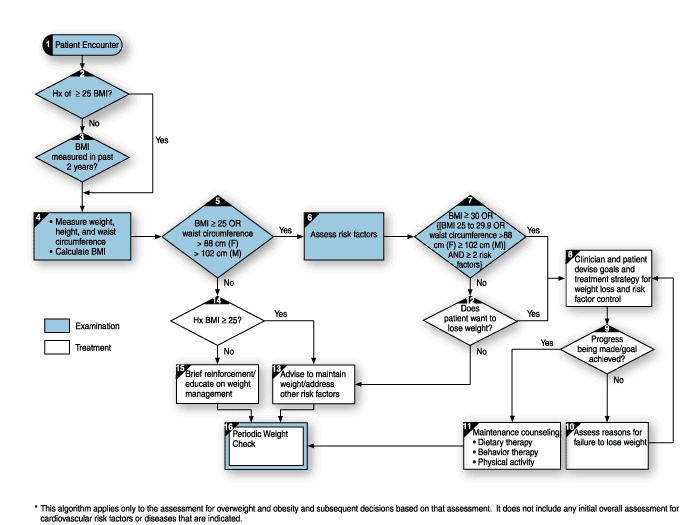
The findings carry a practical implication for doctors and patients alike. Rather than relying solely on BMI, clinicians may need to pay closer attention to waist circumference and markers of inflammation to catch cardiovascular risk early. "This research helps us understand why some people develop heart failure despite having a body weight that seems healthy," said lead author Szu-Han Chen, a medical student at National Yang Ming Chiao Tung University in Taiwan.
Experts not involved in the study echoed its significance. Kevin Shah, a cardiologist at MemorialCare Heart & Vascular Institute in Long Beach, California, told Healthline that the study "reinforces an important concept in cardiology: where fat is stored in the body may matter more than total body weight alone." He noted that waist measurements may reveal cardiovascular risk even in people whose BMI appears normal.
The study analyzed data from nearly 2,000 African American adults and builds on a growing body of evidence linking central obesity to worse health outcomes. The American Heart Association has previously highlighted how inflammation can damage blood vessels, disrupt the immune system, and contribute to scar tissue buildup in the heart. Reducing inflammation, the researchers suggest, could become a promising treatment strategy for lowering heart failure risk in people carrying excess abdominal fat.