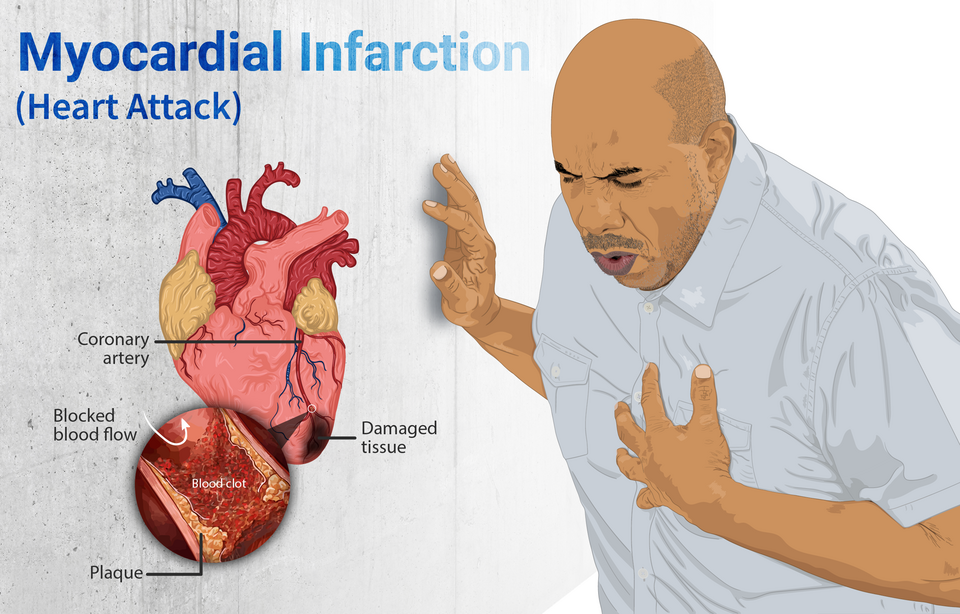
Tommy Bell, a 62-year-old hospital worker, never expected to become one of his own hospital's patients. But after surviving three heart attacks in just four days last November, he's now on a mission to help others recognize the warning signs that may have saved his life.
The center-of-the-chest pressure that most people picture is only one way a heart attack can begin. The classic version, chest discomfort lasting more than a few minutes or returning in waves, can feel like squeezing, fullness, tightness, or pain. But an attack can also arrive as pain in one or both arms, the back, neck, jaw, or stomach, along with shortness of breath, cold sweat, nausea, lightheadedness, or a rapid and irregular heartbeat.
Many attacks start quietly. Mild symptoms can appear hours or even days before the event becomes obvious, and some people walk around dismissing them until damage is already underway.
For Bell, the experience also shattered the common image many people have of a heart attack. There was no dramatic collapse, no instant certainty about what was happening. Instead, there was a persistent sensation that something was not right, a decision to trust that instinct, and a quick return to the hospital that may have saved his life.
Bell had just finished a shift at AdventHealth DeLand Hospital in Florida, where he'd worked for over a decade as Patient Transport Supervisor, when he felt persistent pressure in the center of his chest during his drive home. That unfamiliar sensation prompted him to turn around and head straight to the ER. "The only symptoms of a heart attack that I knew of were what I had seen on TV — chest pain, pain down the arm, etcetera," Bell told Healthline. Doctors scheduled a cardiac procedure two days later, during which he suffered a heart attack and received a stent to restore blood flow.
After being discharged, Bell still didn't feel right at home. His wife drove him back to the ER on December 2, where he experienced a second and third heart attack. The ordeal was harrowing, but Bell found comfort in being treated by colleagues he knew by name. "Although it was strange being on the other side of things, I knew I was in good hands," he said.
Janak Bhavsar, MD, an interventional cardiologist at AdventHealth who helped care for Bell, noted that recurrent cardiac events like these can happen more often than people realize — particularly in patients with multiple risk factors. Controlling those risk factors through lifestyle changes such as regular exercise, improved diet, quality sleep, and weight management is critical for prevention, Bhavsar said.
Bell returned to work after two weeks of recovery, buoyed by constant support from coworkers and family. He now hopes his story will encourage others to pay attention when something feels off. "If I can help save a life by reminding people to listen to their bodies, I have done what God has called me to do," he said.
Symptoms are often less recognizable in women, older adults, and people with diabetes. Women still experience chest pain or discomfort in many cases, but they are more likely than men to report shortness of breath, nausea, vomiting, shoulder or back pain, and unusual tiredness as the dominant symptoms. Doctors say that pattern is part of why people delay calling for help, waiting for what one cardiologist described as the "movie version" of a heart attack before taking action.
The American Heart Association says to call 911 immediately if a heart attack is suspected. Ambulances allow emergency medical staff to begin treatment before the patient reaches the hospital, which can compress the time between symptom onset and intervention. Mayo Clinic advises against driving yourself to the emergency room unless no other option exists.
Aspirin should be taken only if a clinician or emergency operator instructs it. Nitroglycerin should be used only if it was already prescribed. Both carry risks when used without guidance.
Once in the hospital, treatment depends on the type and location of the blockage and how quickly the patient arrived. Emergency teams may administer aspirin to reduce further clotting, nitroglycerin to ease chest pain and improve blood flow, oxygen when blood oxygen is low, and in some cases thrombolytic drugs, sometimes called clot-busters, when a catheter-based procedure cannot be performed quickly enough.
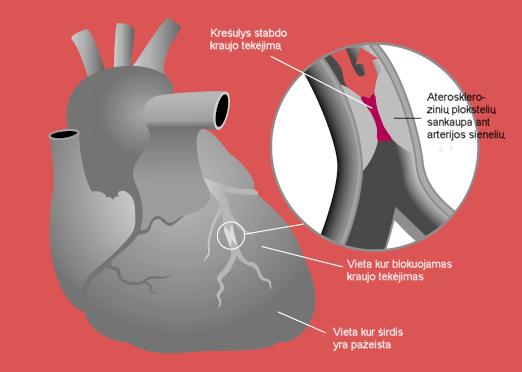
The most common hospital intervention is percutaneous coronary intervention, or PCI, in which doctors thread a catheter to the blocked artery, open it, and often place a stent to keep it open. After the procedure, patients are typically started on medications targeting cholesterol, blood pressure, and clotting risk to reduce the chance of another event.
Recovery includes cardiac rehabilitation, a medically supervised program combining exercise training, education, and counseling that the National Heart, Lung, and Blood Institute links to lower risk of future heart and vascular problems. Long-term prevention also involves not smoking, regular physical activity, healthy eating, and ongoing control of blood pressure, blood sugar, and cholesterol levels.