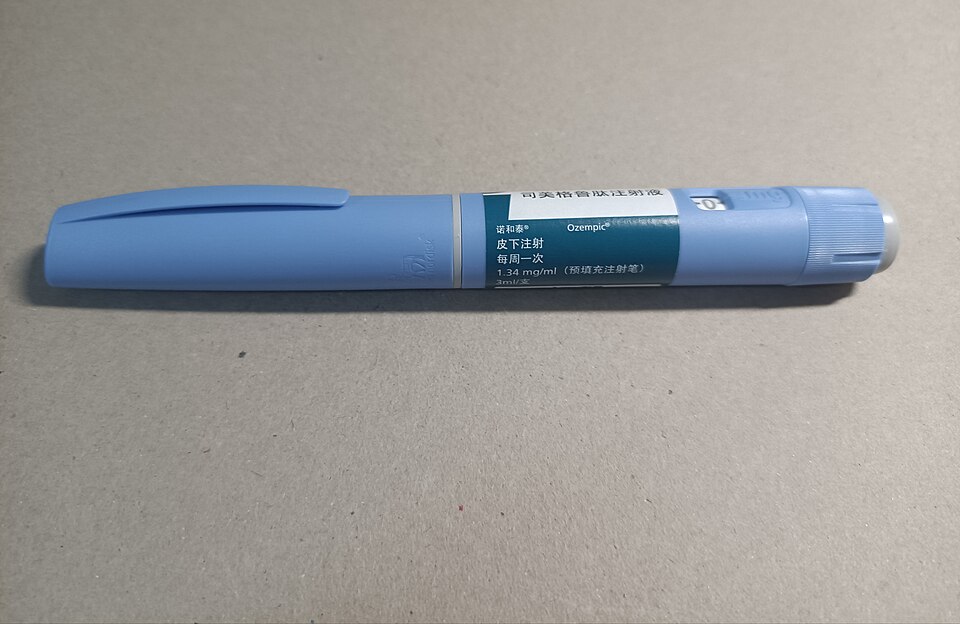
A six-month gap in GLP-1 medication use is enough to undo the heart protections those drugs provide, according to a study published in BMJ Medicine. The finding adds a new dimension to conversations about the popular class of drugs, which includes Ozempic and Wegovy.
Researchers analyzed data from 333,687 veterans, comparing 132,551 people prescribed a GLP-1 drug for type 2 diabetes against 201,136 prescribed sulfonylureas, an older class of diabetes medication. Participants were tracked for three years, with treatment status checked every six months. Over that period, 26% of GLP-1 users stopped taking the medication entirely, and 23% had an interruption of at least six months before resuming.
Those who stayed on the drugs consistently showed fewer cardiovascular events. Those who stopped did not.
"There is enormous exuberance about starting GLP-1 drugs, but not nearly enough attention to what happens when people stop," said senior study author Ziyad Al-Aly, MD, a clinical epidemiologist at Washington University School of Medicine and chief of the Research and Development Service at the VA Saint Louis Health Care System.
People most often quit due to cost, side effects, or supply shortages, the researchers noted. Roughly one in eight American adults is currently taking a GLP-1 medication, making the discontinuation question a population-level concern.
The cardiovascular benefits appear to come from multiple mechanisms beyond weight loss alone. Robert Glatter, MD, an emergency physician at Lenox Hill Hospital in New York City who was not involved in the study, told Healthline the drugs improve blood sugar control, modestly lower blood pressure, may improve lipid and vascular function, and appear to reduce inflammation and the progression of atherosclerotic plaque. "Some evidence also points to direct protective effects on the heart and blood vessels independent of weight loss," he said.