Every 3.7 additional servings of ultra-processed foods consumed per day — roughly the equivalent of a frozen dinner, a soda, and a cookie — raised the risk of hip fracture by 10.5%, according to a study published in The British Journal of Nutrition. The finding came from an analysis of more than 160,000 participants tracked for over 12 years through the UK Biobank database.
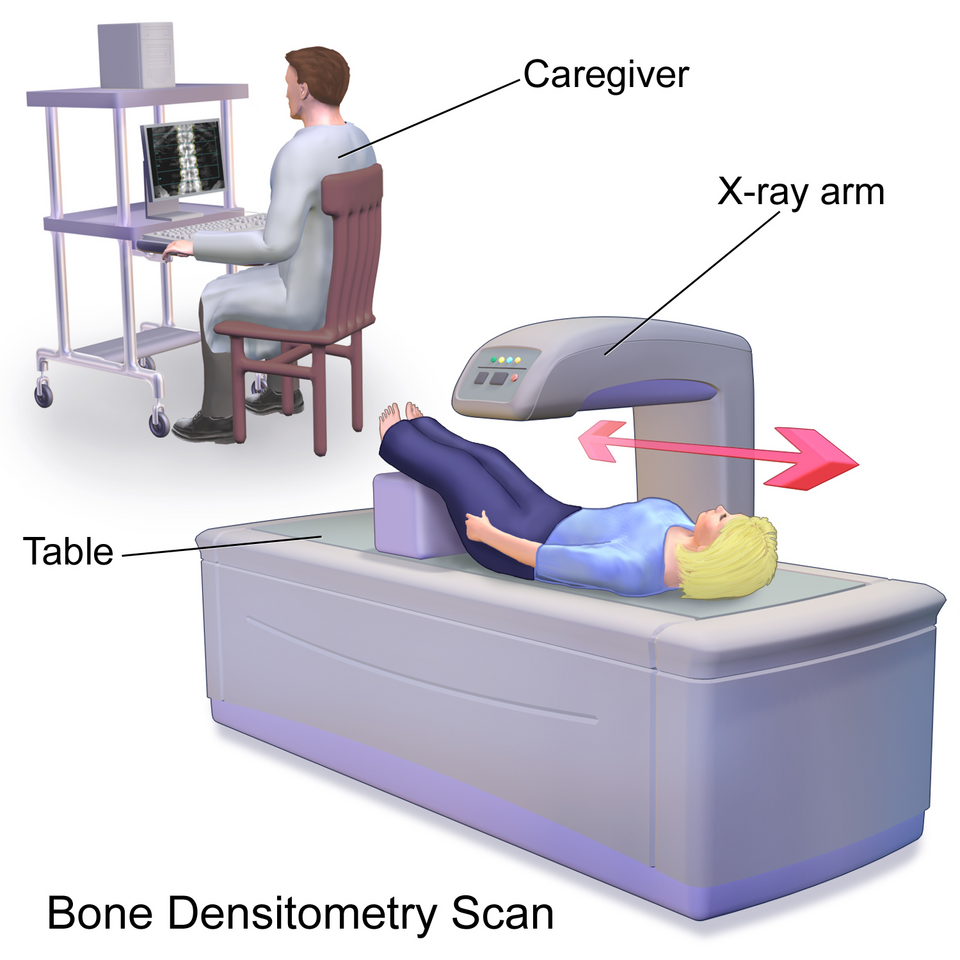
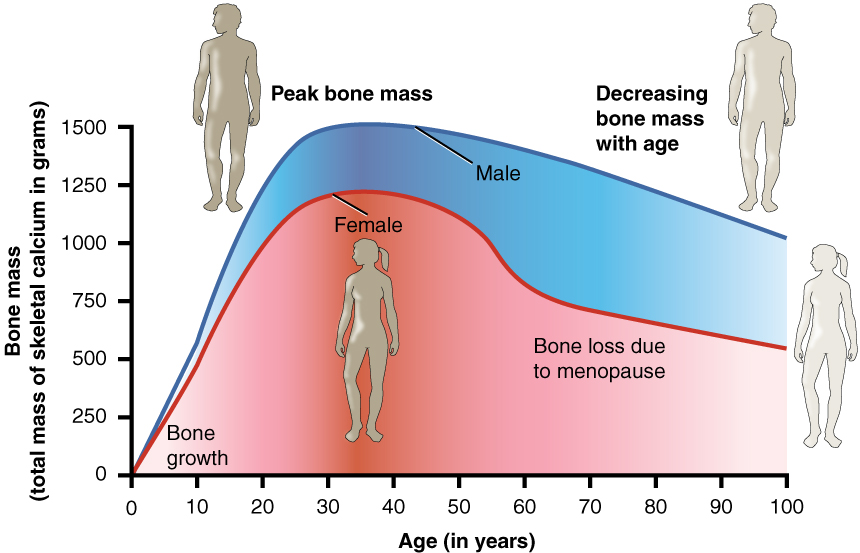
Researchers also found that higher ultra-processed food intake was associated with lower bone mineral density at several key sites, including the upper femur and the lumbar spine. The effect showed up even in adults under 65 and in those who were underweight — groups not typically at the forefront of bone health discussions.
"Our study cohort was followed for over 12 years, and we found that high intakes of ultra-processed foods were linked to a reduction in bone mineral density at several sites including key areas of the upper femur and the lumbar spine region," said Lu Qi, a professor at Tulane University's Celia Scott Weatherhead School of Public Health and co-author of the study. Qi noted that while previous research had suggested a connection between ultra-processed food consumption and bone health, this was the first study to examine the relationship directly in humans.
On average, participants in the study were eating around eight servings of ultra-processed foods per day. Researchers used standard definitions to classify foods in that category, which typically includes packaged snacks, ready meals, soft drinks, and reconstituted meat products.
Grace Derocha, a registered dietitian and national spokesperson for the Academy of Nutrition and Dietetics, called the hip fracture finding meaningful, particularly given what a hip fracture can mean for an older adult's long-term mobility and independence. She cautioned, though, that observational data cannot establish direct causation. "It reinforces a pattern we see across nutrition science: diets higher in ultra-processed foods tend to be linked with poorer health outcomes overall," Derocha told Healthline.
Experts point to the nutritional profile of ultra-processed foods as a likely factor. These products tend to be low in calcium, vitamin D, magnesium, and other nutrients that support bone strength, while being high in sodium, additives, and refined carbohydrates that may interfere with bone metabolism.