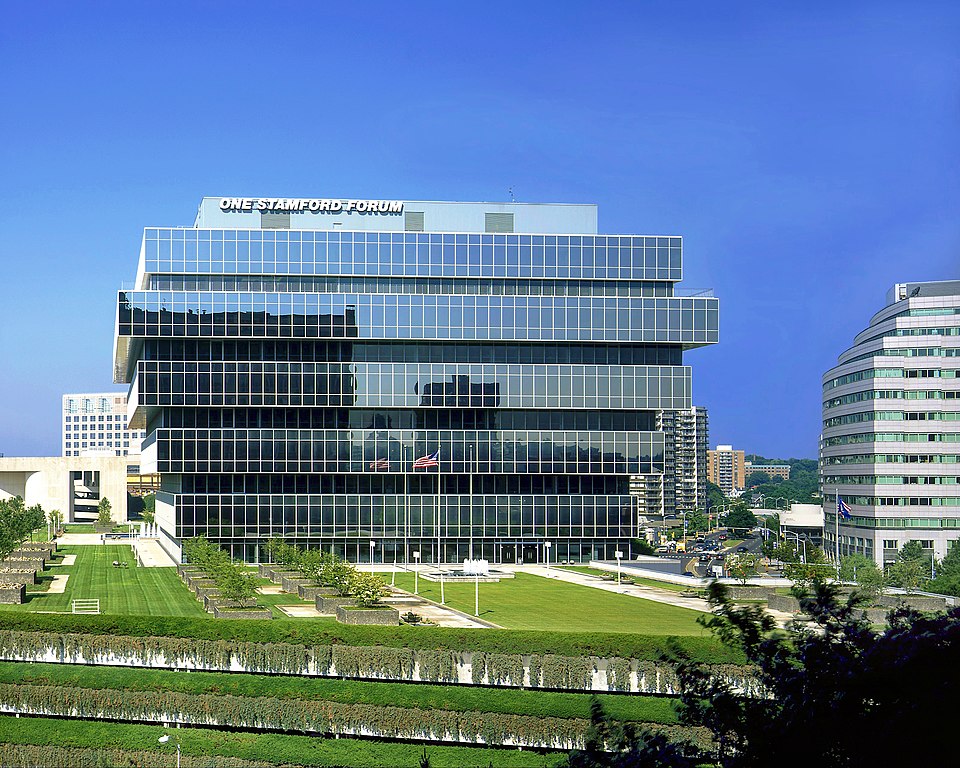
A federal judge is expected Tuesday to sentence Purdue Pharma to forfeit $225 million to the Justice Department, a step that would unlock one of the largest opioid settlements in U.S. history.
The penalty stems from a 2020 plea agreement in which the Stamford, Connecticut-based company admitted to three federal criminal charges. Purdue acknowledged that it lacked an effective program to prevent its prescription painkillers from being diverted to the black market, even while telling the Drug Enforcement Administration that it did. The company also admitted to paying doctors through a speakers program to prescribe opioids and paying an electronic medical records company to steer additional prescriptions toward its drugs.
If the judge approves the sentence, a broader settlement approved by a separate judge last year could take effect May 1. That deal requires members of the Sackler family, who own the company, to contribute up to $7 billion over 15 years to state, local and Native American tribal governments, as well as some individual victims. It is the only major opioid settlement to include direct payments to victims or their survivors.
The government agreed in the 2020 plea deal not to collect $5.3 billion in criminal forfeitures and fines or $2.8 billion in civil liabilities. Those sums are instead folded into the broader settlement, with the federal government receiving a portion. Sackler family members who agree to the payments would be shielded from further opioid lawsuits.
Purdue itself will cease to exist under the terms of the deal, replaced by a new company called Knoa Pharma. Together, opioid settlements involving drugmakers, wholesalers and pharmacies have totaled more than $50 billion, with most of the money directed toward addressing the overdose epidemic. At a 1996 sales rally, Richard Sackler, then a top Purdue executive, called for a "blizzard of prescriptions" for OxyContin, a moment advocates have long pointed to as emblematic of the company's aggressive marketing.
The sentencing Tuesday sets the clock toward May 1, when the broader settlement is scheduled to take effect.