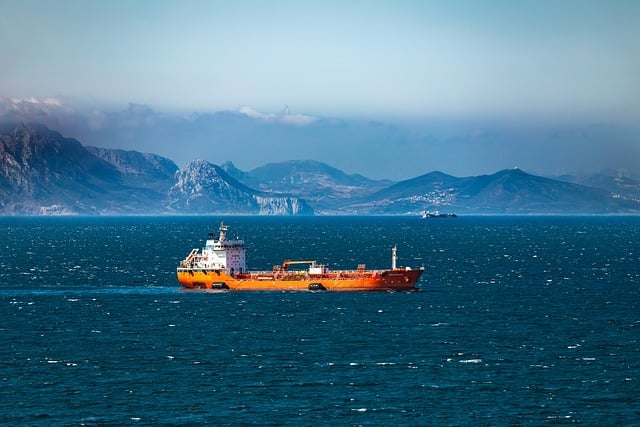
Brent crude closed above $100 per barrel Wednesday for the first time in months after Iran's Revolutionary Guard seized two container ships attempting to cross the Strait of Hormuz, further rattling energy markets already disrupted by weeks of conflict.
International benchmark Brent rose more than 3% to settle at $101.91 per barrel. U.S. West Texas Intermediate futures climbed more than 3% to close at $92.96. The gains came despite President Donald Trump having extended a ceasefire with Iran just a day earlier, after a planned second round of peace talks in Pakistan fell apart.
Iran's state news agency Tasnim reported that the Revolutionary Guard seized the ships because they attempted to cross the strait "without authorization." The U.S. is maintaining a naval blockade of Iran during the ceasefire period, and tanker traffic through the strait remained sparse as shippers assessed the security risks.
The ceasefire extension itself offered little comfort to energy traders. Trump said Tuesday he would hold the truce in place until Iran's leadership presents a unified proposal to end hostilities with Washington and Israel, after claiming Iran's leadership was fractured. But analysts watching Tehran closely are skeptical that internal divisions will translate into a quick diplomatic resolution.
Bob McNally, president of Rapidan Energy, said Iran's leadership believes it has leverage and intends to use it. "They are ready to eat grass for six months to keep their chokehold on this jugular to wait for those oil prices to go even higher and eventually equities to go lower," McNally said. "They think they are going to end up surviving this conflict having taught a lesson and maybe even with some control over the Strait of Hormuz."
The oil supply disruption triggered by the war has been described as the largest in history. Gulf producers, heavily dependent on strait access for exports, have seen revenues collapse. That pressure is now spilling into financial markets beyond oil.
Treasury Secretary Scott Bessent told a congressional hearing Wednesday that "many" Gulf allies have formally requested currency swap lines from the United States to maintain dollar liquidity and stabilize their financial systems. "Swap lines, whether it's from the Federal Reserve or the Treasury, are to maintain order in the dollar funding markets and to prevent the sale of U.S. assets in a disorderly way," Bessent said. He added that some Asian allies have also requested swaps, without naming specific countries.
The White House had told CNBC on Tuesday that no formal request had yet been received from the UAE, but Bessent's testimony went further, suggesting multiple governments have now formally approached Washington. Trump said Tuesday he would like to help the UAE "if it's possible."
The swap requests drew immediate pushback from Senate Democrats. Sen. Chris Van Hollen of Maryland pressed Bessent on the domestic cost of extending financial support to wealthy Gulf nations while American consumers are already absorbing higher gasoline and food prices from the conflict. "The war in Iran has already cost us dearly," Van Hollen said at the hearing. "We're talking about over a billion dollars a day in taxpayer money, we're talking about higher gas prices, higher prices overall."
Van Hollen also raised questions about the broader U.S.-UAE relationship, pointing to reported investments by UAE government-linked entities in Trump family businesses and recent relaxations around advanced semiconductor export controls.
Sen. Steve Daines, a Republican on both the Senate Finance and Foreign Relations committees, said he supports Bessent moving forward with swap arrangements.
No formal swap agreement has been announced. Oil markets will be closely watching whether ceasefire talks resume and whether tanker traffic through the strait shows any sign of recovering.