The Department of Justice has filed charges against the Southern Poverty Law Center related to the organization's use of paid informants, according to The Washington Post. The case represents an extraordinary legal action against one of the country's most prominent civil rights monitoring groups.
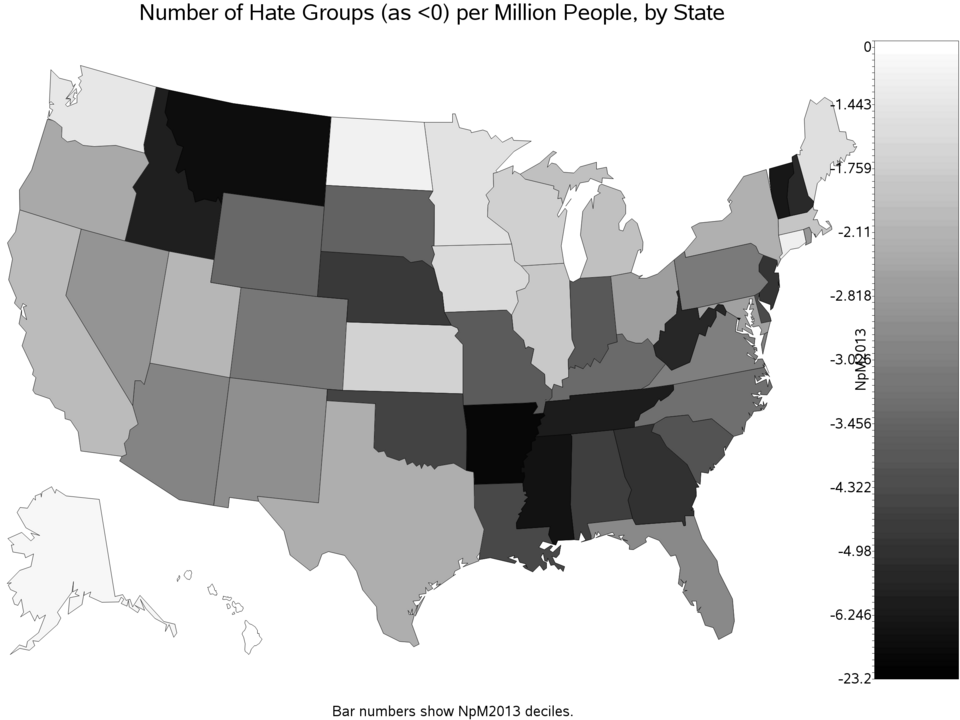
FBI Director Kash Patel formally ended the bureau's relationship with the Southern Poverty Law Center in October 2025, saying the organization's "hate map" and related designations had been used to defame mainstream groups and, in some cases, cited in connection with acts of violence.
The split marks a significant break from a long-standing arrangement in which the SPLC had provided the FBI and other law enforcement agencies with information on extremist organizations as part of its monitoring work.
Founded in Montgomery, Alabama in 1971 by Morris Dees, Joseph J. Levin Jr., and Julian Bond, the SPLC began as a civil rights law firm before expanding its focus in the 1980s to include civil suits against Ku Klux Klan groups on behalf of violence victims. It later grew into one of the country's most prominent nonprofit legal advocacy organizations, taking on cases involving prison conditions, immigration enforcement, discrimination based on sexual orientation, and the separation of church and state.
The organization's hate group designations became widely used by academic institutions and media outlets starting in the 2000s. But criticism of those designations has grown steadily. Journalists and researchers have argued that the SPLC applies ideologically driven criteria, sometimes labels groups based on policy positions rather than documented evidence of extremism or violence, and has made high-profile misclassifications.
Those criticisms have raised questions about the accuracy and consistency of the SPLC's listings and about the reputational damage a hate group label can inflict. The organization has also faced accusations of financial mismanagement.
The SPLC operates as a 501(c)(3) nonprofit and remains based in Montgomery. It has not publicly responded to Patel's decision as of the time of this report.
The SPLC, based in Montgomery, Alabama, has for decades tracked and publicized the activities of hate groups and extremist organizations across the United States. Its use of paid informants embedded within those groups has long been central to how it gathers intelligence on extremist movements.
Details of the specific charges were not fully disclosed in initial reports, but the DOJ's action signals a significant escalation of federal scrutiny toward the organization. The case is expected to raise broad legal and political questions about the boundaries of private organizations conducting monitoring activities that can resemble law enforcement methods.
The SPLC has been a frequent target of criticism from conservative political figures and groups, many of whom the organization has listed on its widely referenced hate group map. Federal charges of this nature against the group are without recent precedent.