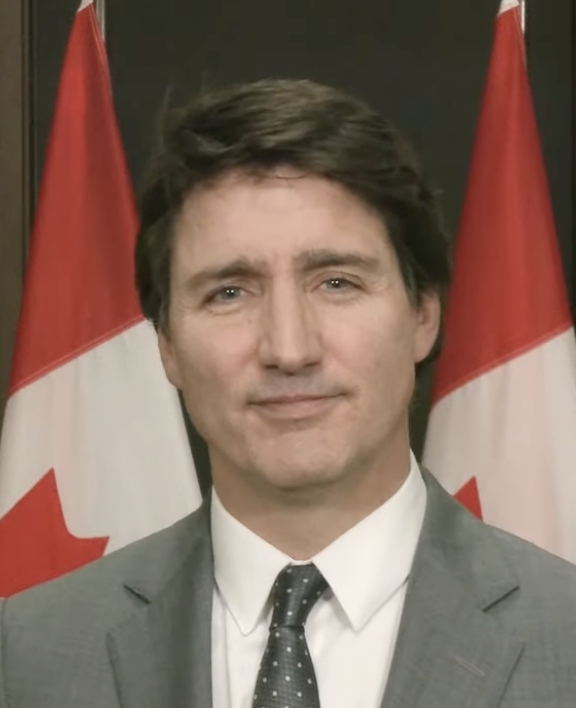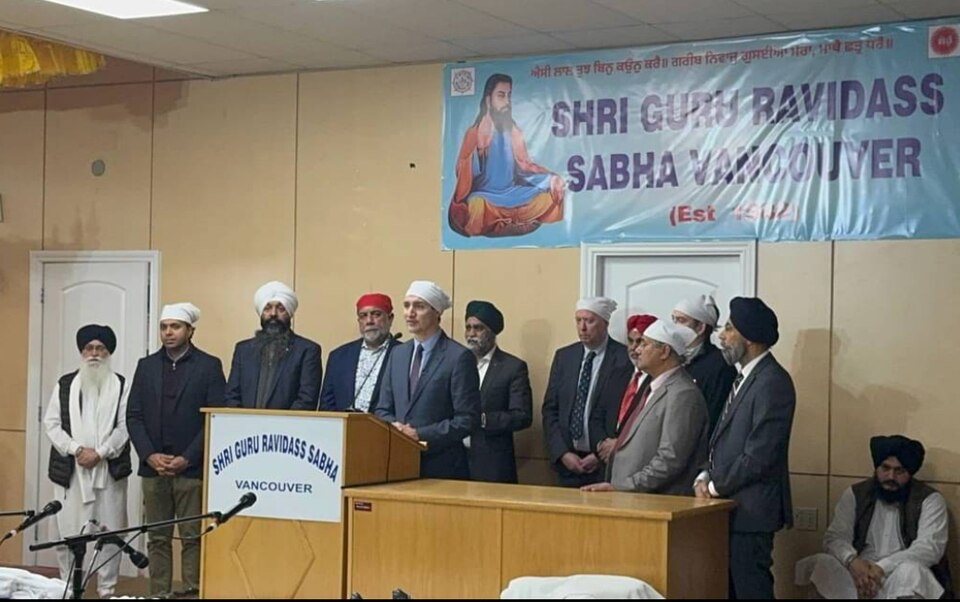
Justin Trudeau made his sharpest public critique yet of the existing global institutional order on Thursday, telling CNBC at its CONVERGE LIVE conference in Singapore that bodies like the World Trade Organization and International Monetary Fund are "spectacularly ill-adjusted" to handle the pressures of the current era.
"You can look to different places around the world to realize that those institutions, whether it was the WTO or the IMF or what have you, aren't necessarily fit for purpose in our decades now," Trudeau told CNBC's Mandy Drury.
The former prime minister singled out what he called "great powers" — the United States, China, Russia, and India — accusing them of selectively opting in and out of the rules-based international order as it suits them. That behavior, he argued, has left smaller nations with a choice: wait for the great powers to re-engage, or build something new without them.
Trudeau's answer is what he and current Prime Minister Mark Carney have called "microlateralism" — small clusters of like-minded countries identifying shared interests and acting on them without waiting for consensus from larger multilateral bodies. The approach is a deliberate pivot away from the broad coalitions underpinning institutions like the United Nations, which Trudeau views as too slow and too fractured to be effective.
Canada's push for new alliances has taken on urgency as the Trump administration continues its transactional approach to trade and foreign policy. Ottawa has been under pressure to diversify away from Washington and build stronger ties with countries including China and India. The ASEAN Secretary-General met this week with the president of the Canada-ASEAN Business Council, a signal of Ottawa's outreach into Southeast Asia as it seeks new commercial partners.
Carney laid the ideological groundwork for this shift in January, when he told the World Economic Forum in Davos that middle powers must forge collective resilience against coercion by larger nations. "If you're not at the table, you're on the menu," he said in a line that drew wide attention.
On the Iran war, Trudeau was blunt about prospects for a near-term resolution. "I think the parties involved all want to see a path through this. I don't think they're yet at the place where they can share a path through this. I think, unfortunately, this instability is going to last a while." The comments mark his first public remarks on the conflict. Carney initially appeared to support U.S. military action in Iran before softening that stance in March, describing Canada's backing as coming "with regret" and framing the war as another symptom of the failure of the international order.
The Singapore appearance places Trudeau squarely in a region Canada is courting. ASEAN nations represent a growing target for Ottawa's diversification strategy, and Trudeau's presence at a high-profile regional business conference signals the depth of that engagement, even as he no longer holds office.