Just over 4% of daily total activity — possibly only a few minutes — was enough to meaningfully reduce the risk of eight major diseases, according to a new study published Sunday in the European Heart Journal.
Researchers analyzed data from the UK Biobank, a health database covering roughly half a million adults in the United Kingdom. They focused on two groups: about 96,000 participants who wore wrist fitness trackers for seven days, and a larger group of around 375,000 who self-reported their activity levels. Participants ranged in age from 56 to 62 on average, and just over half were women. The device-wearing group was followed for approximately nine years.
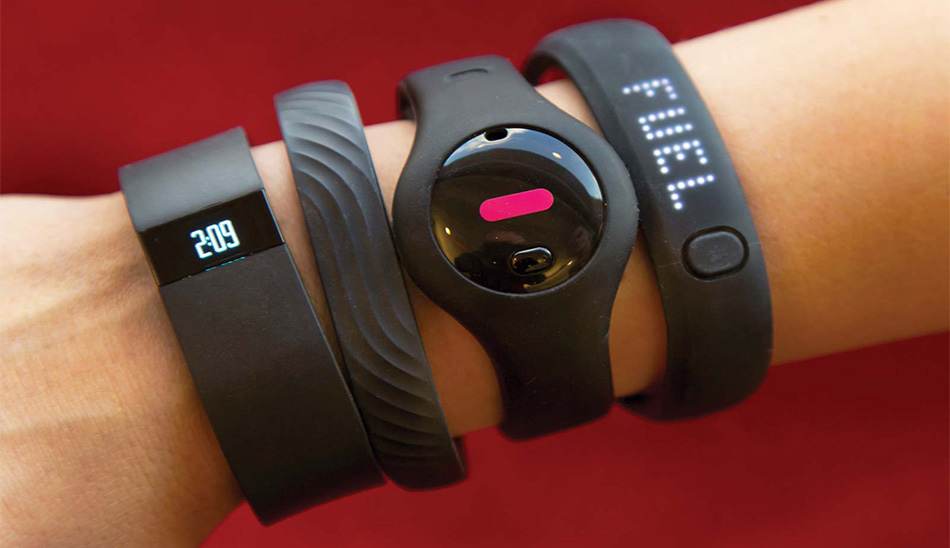
The trackers logged continuous movement, giving researchers a way to measure not just how much people moved, but how hard. That distinction turned out to matter considerably. Compared to people who did no vigorous exercise at all, those who did had lower rates of all-cause mortality, cardiovascular disease, type 2 diabetes, and dementia, among other conditions.
"In our study, even a small proportion of vigorous activity — just over 4% of total activity, which may translate to only a few minutes per day — was associated with meaningful health benefits," said Minxue Shen, a professor at Xiangya School of Public Health, Central South University in Changsha, China, and a co-author of the research. Shen told Healthline that vigorous doesn't mean extreme. The standard is simpler: breathing hard enough that you can only get out a few words at a time. Carrying heavy groceries or climbing stairs quickly can qualify.
Most physical activity guidelines focus on total weekly minutes rather than intensity. The findings suggest that measure alone may be incomplete. For some diseases, both volume and intensity contributed to reduced risk. For immune-related conditions, the benefit came almost entirely from intensity, regardless of how much total activity a person logged.
The study is observational, which means it can identify associations but cannot prove that vigorous exercise directly causes the health improvements seen. Still, the results align with a growing body of research pointing to intensity as an independent factor in long-term health outcomes.
A separate study published this week in PLOS One adds another dimension to how Americans actually move. Researchers analyzed telephone survey data from 396,261 U.S. adults collected in 2019 and found that walking is the most popular leisure activity in the country, with 44% of respondents listing it as what they spent the most time doing. That figure closely matched a comparable U.S. study from 2011, suggesting the pattern is stable over time.
Urban residents tended to round out their routines with running, weightlifting, and dance. Rural residents more commonly reported gardening, hunting, and fishing alongside walking. Urban dwellers were also more likely to meet federal physical activity guidelines than people in rural areas, a gap researchers attributed partly to differences in access and cultural norms around exercise.
But even among regular walkers, the numbers fall short. Only 25% of walkers in the survey met the combined guidelines for both aerobic and muscle-strengthening activity. About 22% didn't meet either guideline. "This underscores the continued need to encourage easily accessible forms of exercise, such as walking, or more functional activities around the home, which are more doable for folks," said Michael Fredericson, a professor of orthopedic surgery at Stanford Medicine, who was not involved in the study.
Christiaan Abildso, a physical activity specialist at West Virginia University and a lead author of the walking study, called for community-level changes to make more kinds of exercise available to more people — wider road shoulders for cyclists, expanded rail trail networks, school facilities open to the public after hours, and improved green spaces. "We see a need to continue to support our partners in small towns and rural places by creating physical, social, and cultural conditions that support physical activity," he said.