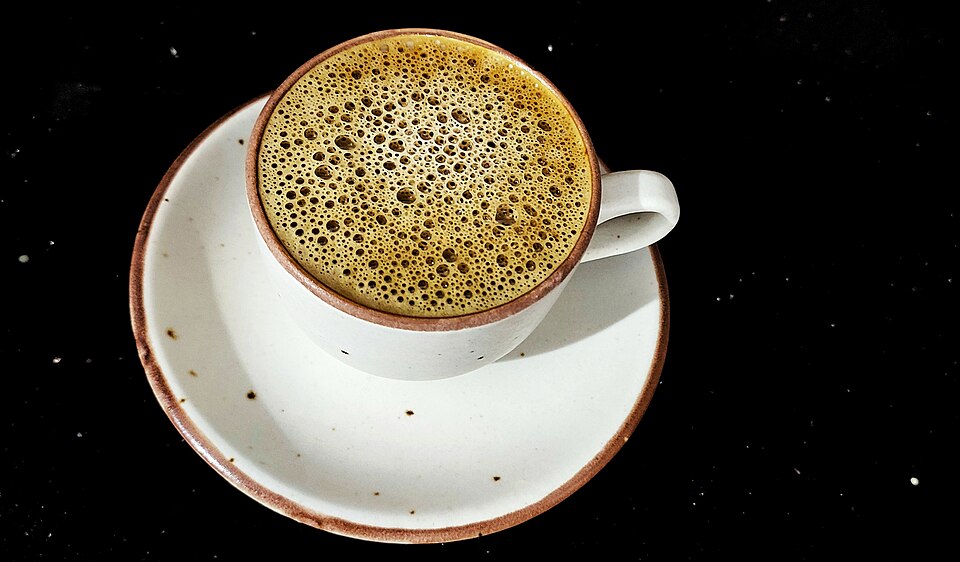
Two to three cups of coffee a day may reduce the risk of depression, anxiety, and stress disorders, according to a large study published in the Journal of Affective Disorders. Researchers analyzed data from 461,586 individuals enrolled in the UK Biobank, all of whom were in good mental health at the start of the study and were followed for an average of 13.4 years.
The association between coffee intake and mental health risk followed what researchers described as a "J-shaped" curve. Moderate consumption was linked to lower risk, but drinking large amounts each day was associated with a higher risk of mood disorders. The protective pattern held across ground, instant, and decaffeinated coffee, suggesting that caffeine alone may not be the only active ingredient.
The findings indicated the benefits may be more pronounced in men, though the study did not eliminate the association for women.
Alex Dimitriu, a psychiatrist double board-certified in psychiatry and sleep medicine and founder of Menlo Park Psychiatry and Sleep Medicine, said the results align with what is already known about caffeine's pharmacological effects. "A moderate amount of coffee has the benefit of boosting mood, energy, and resilience to stress," he told Healthline. He added a practical warning: most studies define a cup as 8 ounces, carrying roughly 80 to 100 milligrams of caffeine. "Do not interpret the results of this study to drink 2 to 3 20-oz cups per day."
The research distinguishes between two categories of mental health conditions. Mood disorders, which include major depressive disorder and bipolar disorder, involve intense and persistent emotional disturbances. Stress disorders, including PTSD, anxiety, and acute stress disorder, result from overwhelming stress, whether from a single event or prolonged exposure. The study found an association between daily coffee intake and individual risk across both categories.
Michelle Routhenstein, a preventive cardiology dietitian at Entirely Nourished who was not involved in the research, cautioned against reading too much into the findings. "Moderate coffee intake, around 2 to 3 cups per day, may be linked with a slightly lower risk of mood and stress issues. That said, this is very individualized." She noted that for some people coffee can worsen anxiety, disrupt sleep, and affect mood. Coffee, she said, is not a treatment and does not prevent mental health conditions.
The study relied on self-reported coffee consumption, a standard limitation in dietary research that can introduce errors in recall or accuracy. Because the study is observational, it identifies an association rather than proving that coffee directly causes better mental health outcomes. The researchers acknowledged that polyphenols found in coffee, not just caffeine, may contribute to the effect, which would help explain why decaffeinated coffee showed a similar pattern.