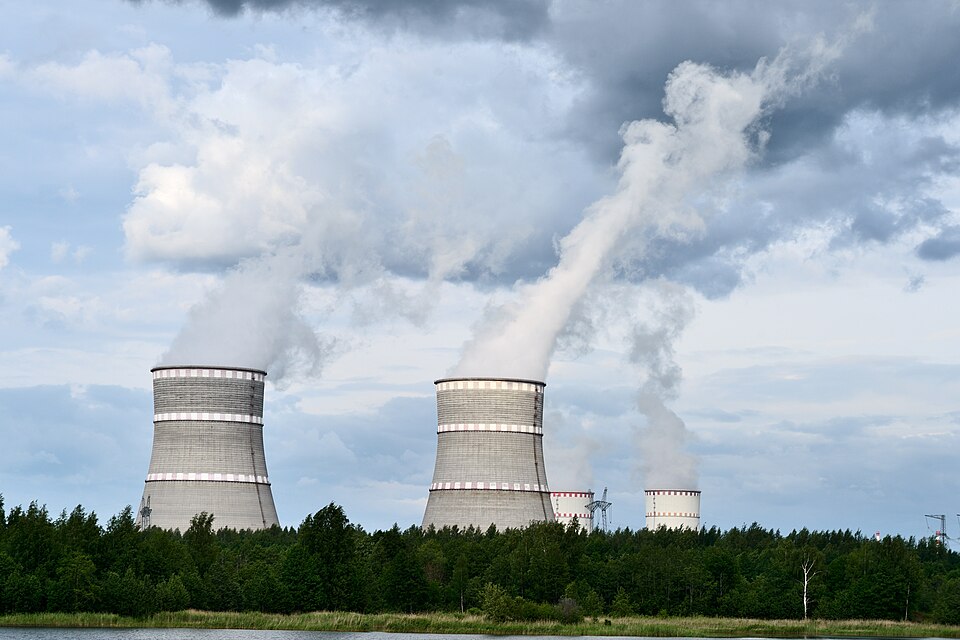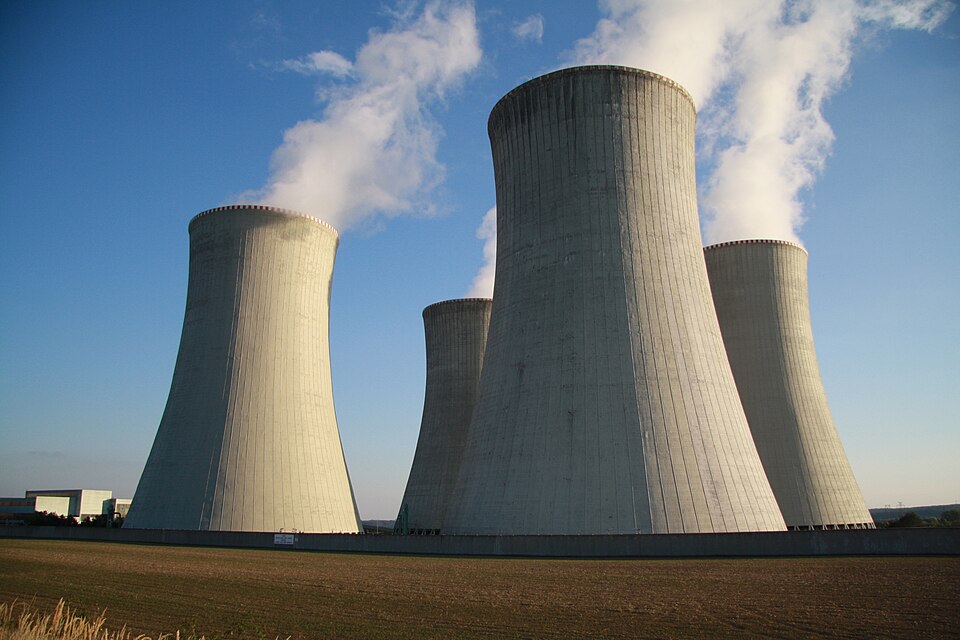
Forty years after the Chernobyl disaster slowed nuclear energy development across Europe and much of the world, the industry is in the middle of a broad global revival. More than 400 reactors are now operational in 31 countries, with about 70 more under construction. Nuclear power produces roughly 10 percent of the world's electricity, accounting for about a quarter of all low-carbon power generation.
Fatih Birol, executive director of the International Energy Agency, said the turnaround was predictable, but the war in the Middle East accelerated it. "I am 100% sure nuclear is coming back," he told the Associated Press. "It's seen as a secure electricity generation system, and we will see that the comeback of nuclear will be very strong, both in the Americas, in Europe and in Asia."
The United States remains the world's largest producer of nuclear electricity, with 94 operational reactors generating about 30 percent of global nuclear output. The country has set a goal to quadruple its nuclear capacity by 2050. U.S. Undersecretary of State Thomas DiNanno stated last month that "the world cannot power its industries, meet the demands of artificial intelligence, or secure its energy future without nuclear power."
China is moving aggressively to close the gap. It currently operates 61 reactors and has nearly 40 more under construction, with the explicit goal of surpassing the U.S. as the world's top nuclear power producer. Russia has taken a lead in nuclear exports, with 20 reactors being built abroad using Russian technology and expertise.
Europe is also reconsidering positions it held for decades. European Commission President Ursula von der Leyen acknowledged that cutting nuclear energy had been a "strategic mistake" and outlined new initiatives to encourage construction of nuclear plants across the continent.
The anniversary falls under complicated circumstances for Ukraine, where nuclear plants generate about half the country's electricity. Russia's forces have occupied the Zaporizhzhia Nuclear Power Plant since 2022, and Kyiv has accused Moscow of conducting a drone attack on the protective containment structure over the damaged Chernobyl reactor.
Japan, meanwhile, has restarted 15 reactors following a thorough review of lessons learned from the 2011 earthquake and tsunami that triggered the Fukushima disaster. Both Chernobyl and Fukushima significantly dampened public appetite for nuclear energy in the years after they occurred. Reactor upgrades since then have added safety features and reduced construction and operating costs, helping shift the political and economic calculus in favor of new builds.
Chernobyl's Reactor No. 4 exploded on April 26, 1986, while Ukraine was still part of the Soviet Union. The disaster contaminated surrounding areas and spread radiation across much of Europe.