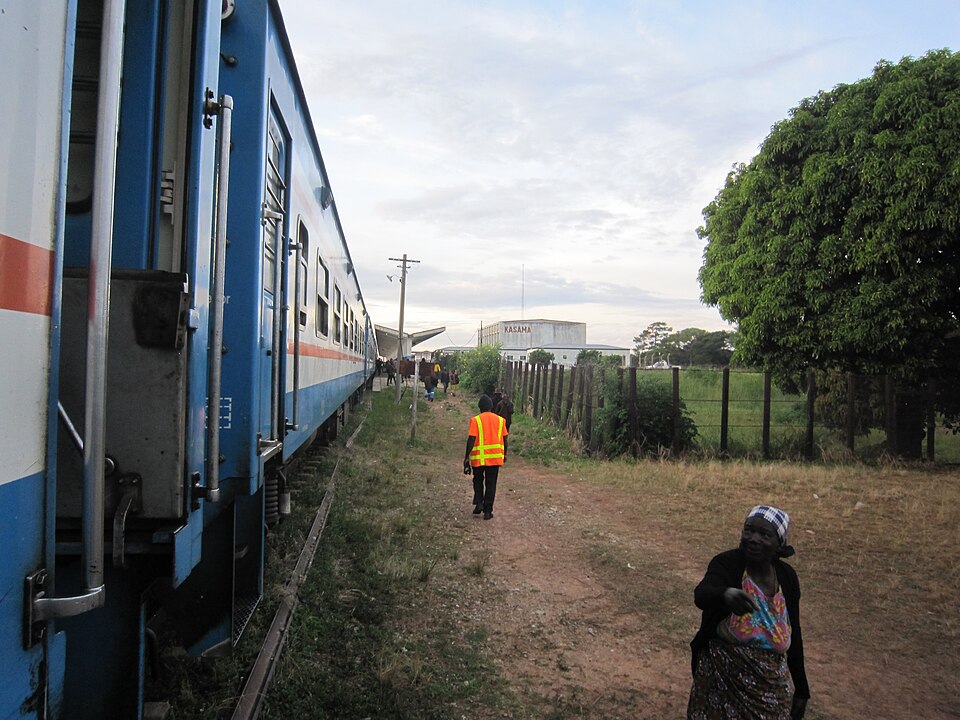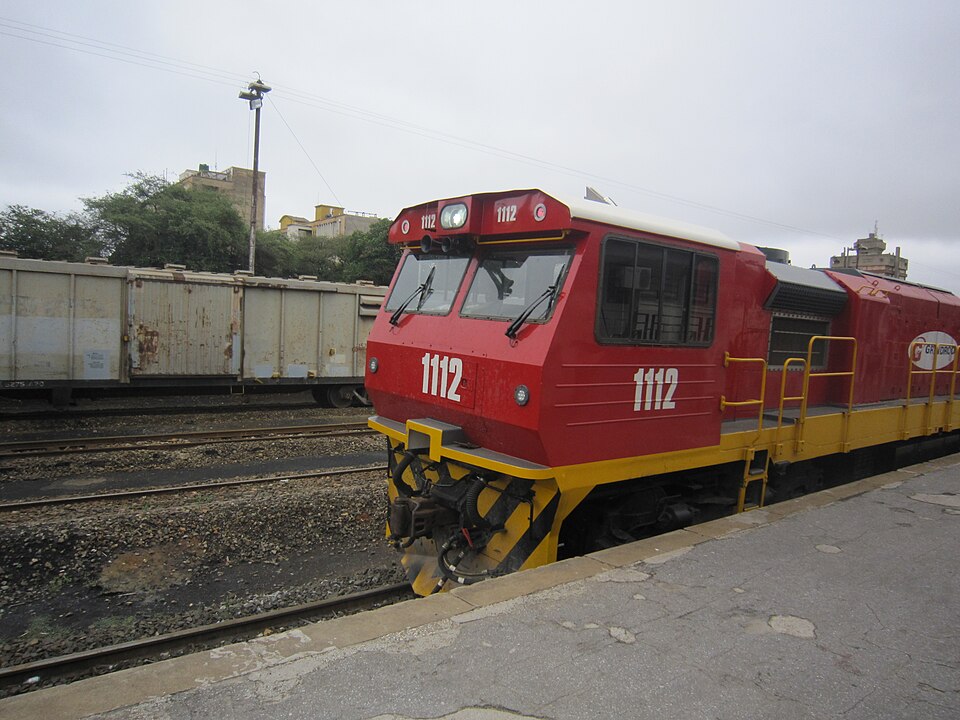
Two major African financial institutions have committed $1.3 billion to a railway designed to move Zambia's copper from landlocked mines to international shipping lanes. The Africa Finance Corp. and the African Development Bank each pledged $500 million to the project, Bloomberg reported Friday, with the remainder of the funding coming from additional sources.
The railway will connect Zambia's copper belt to the Angolan port of Lobito on the Atlantic coast, forming part of the broader Lobito Corridor infrastructure push that has drawn backing from the United States, European Union, and a range of development finance institutions over the past two years. The corridor is seen as a strategic alternative to export routes that run through more congested or politically complicated southern African transit networks.
Copper sits at the center of global competition for critical minerals, with demand surging from electric vehicle manufacturers, grid operators, and defense suppliers. Zambia holds some of the largest copper reserves on the continent, but inadequate transport infrastructure has long constrained how quickly the country can scale production and reach export markets.
The $1 billion combined commitment from the Africa Finance Corp. and the African Development Bank represents a substantial acceleration of funding for the corridor. The project has been in development for several years, but financing commitments of this scale signal that the infrastructure is moving closer to construction-ready status. The Lobito port already handles significant cargo volumes, and connecting it directly to Zambia's mining regions by rail would reduce reliance on road transport, cut logistics costs, and shorten transit times to Atlantic shipping routes.
Critical mineral supply chains have become a significant focus for both Western governments and multilateral development institutions seeking to reduce dependence on Chinese-controlled processing and transport networks. The Lobito Corridor has been explicitly framed by U.S. and EU officials as part of that broader strategic effort, though the latest funding announcement came from African-led financial bodies rather than Western government programs.
No construction timeline was specified in Friday's announcement.