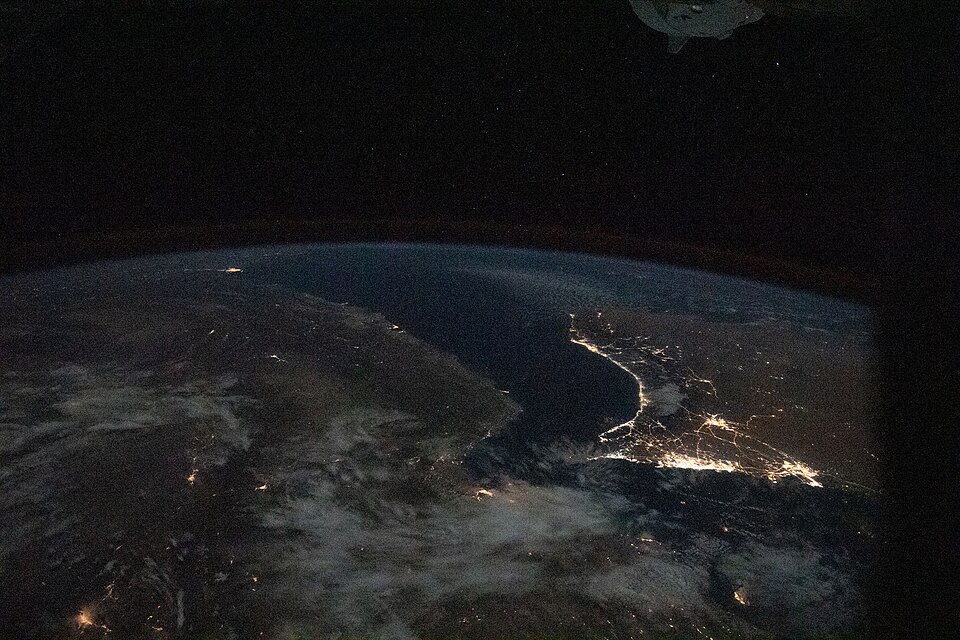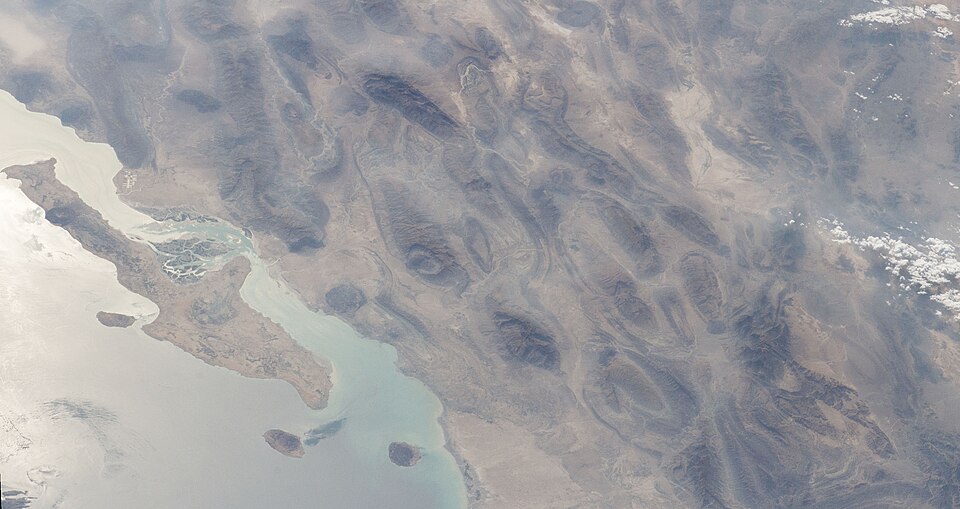
Brent crude climbed to $105.73 a barrel on Friday as the Strait of Hormuz remained closed and the scale of the Gulf's supply collapse came into sharper focus. Goldman Sachs put the shortfall at 14.5 million barrels a day below pre-war levels this month — a 57% drop — and estimated that any resumption of normal output would take months, not weeks.
The closure has pushed shipping costs to extraordinary levels. Businesses are paying up to $4 million to transit the Panama Canal as an alternative route, according to WRAL, as traders scramble to reroute supply chains away from the blocked waterway. Before the conflict, roughly 20 million barrels of oil and petroleum products moved through the Hormuz Strait every day.
While a formal ceasefire between the U.S. and Iran has held, the conflict has shifted into a naval blockade phase. Both sides have seized ships in what analysts describe as an attempt to gain economic leverage ahead of any diplomatic settlement. Israel and Lebanon separately agreed Thursday to extend their truce following a White House meeting, but that development did little to ease fears about the broader energy disruption.
Fatih Birol, head of the International Energy Agency, told CNBC on Thursday that the situation represents "the biggest energy security threat in history." Speaking virtually at CNBC's CONVERGE LIVE conference in Singapore, Birol said the world has already lost 13 million barrels per day of oil supply and warned of "major disruptions in vital commodities." He urged governments to accelerate investment in alternative energy sources to build resilience.
Commonwealth Bank of Australia analysts wrote Friday that "the longer the strait remains closed, the greater the economic costs — raising the likelihood that one side will be forced to back down." Their note added that the U.S. faces mounting political and economic pressure and may move first, though they flagged the risk of military escalation that could drive a sharp rise in the U.S. dollar.
Beneath the relatively stable headline oil price, stress signals are building in the derivatives market. NYMEX data shows that only around 3,000 WTI contracts maturing in May 2026 are set for physical delivery, compared to a historical average of roughly 90,000, according to Gold Broker. That divergence suggests market participants are unwilling to assume delivery risk in the current environment. Oil futures prices and implied volatility have also begun moving in opposite directions — prices holding relatively steady while the cost of hedging against a sharp move rises, a pattern that analysts say often precedes a significant repricing.
U.S. West Texas Intermediate futures settled at $96.17 a barrel Friday, up 0.32% on the day. Goldman's assessment that supply recovery will take months, combined with shrinking physical delivery commitments and the continued blockade, leaves little near-term relief in sight for energy markets or consumers paying elevated prices at the pump.