A wellness trend flooding TikTok has millions of viewers convinced that parasites are silently infesting their bodies and that a homemade herbal cleanse can fix it. Doctors say that's wrong on both counts.
Influencers are promoting detox teas, herbal tinctures, and DIY elixirs made with everything from Epsom salts and baking soda to pumpkin seeds blended with turmeric and ginger. The claims range from flushing parasites to curing constipation to eliminating mysterious "toxins." One creator attributes her recipe to her grandmother. The videos have sparked curiosity, and concern, among viewers and medical professionals.
Steven Goldberg, chief medical officer at HealthTrackRx, told Healthline that DIY parasite cleanses are unnecessary for most people and potentially harmful. "The trend reflects a fundamental misunderstanding about parasitic infections and how the body works," he said. "The human body doesn't need cleansing from parasites unless there's an actual diagnosed infection, which is relatively uncommon in the United States and other high-income countries with high levels of sanitation."
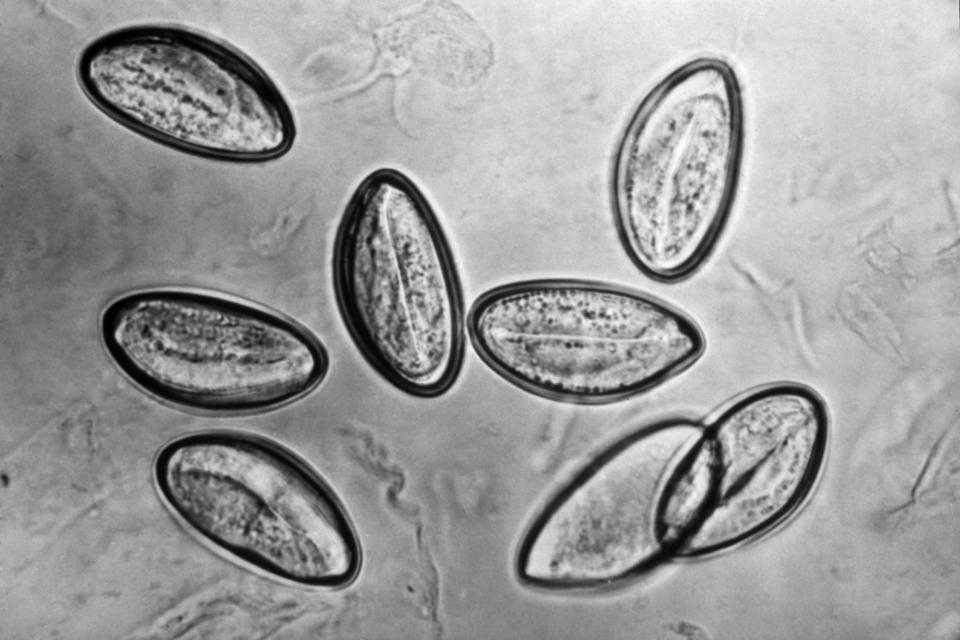
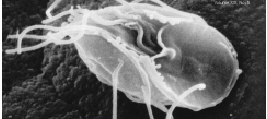
When parasitic infections do occur, they tend to be specific organisms. Giardia and pinworms are among the most common examples. Those require targeted medical treatment, not a general cleanse bought through a social media link.
The body already handles waste removal on its own. Tom Maggs, chief medical officer at Healthwords, explained that the liver, kidneys, and gut form a highly effective built-in system for clearing waste and toxins. No supplement has been shown to meaningfully improve on that process. "Promoting the idea that people routinely need to cleanse parasites without evidence can lead to unnecessary anxiety and potentially unsafe behaviors," Maggs said.
There is no credible scientific evidence that detox teas or herbal supplements eliminate parasitic infections, according to Goldberg. Some content creators claim they can see worms in their stool after completing a cleanse, but Goldberg said those observations are almost certainly misidentified. Many of these products contain harsh laxatives or fiber supplements that irritate the gut, producing mucus strands and debris that can look alarming to someone primed to expect parasites.
The actual risk of a parasitic infection in a high-income country with functioning sanitation infrastructure is low. Proper diagnosis requires a clinical test. Treatment, if warranted, requires a prescription medication matched to the specific organism involved. Neither outcome comes from a tea.
Experts recommend focusing on proven basics: regular handwashing, safe food handling, and maintaining general gut health. Anyone concerned about persistent gastrointestinal symptoms should see a doctor rather than self-treating based on a social media video.