Jamie Harris was in her 20s, newly in love, and finishing graduate school when she noticed blood in her stool during a trip to London in 2010. She assumed it was travel-related. It was not.
Back home, the symptoms continued. Sharp stomach pain. Persistent urgency. Her general practitioner told her to add more fiber and psyllium husk to her diet. A year passed. The pain did not improve. Harris began losing weight.
It took a trip to the emergency room, prompted by a teacher she was working with during her student-teaching placement, to get the process moving. Blood tests showed her white blood cell count was significantly elevated. Further testing led to a referral to a gastroenterologist, who diagnosed her with Crohn's disease.
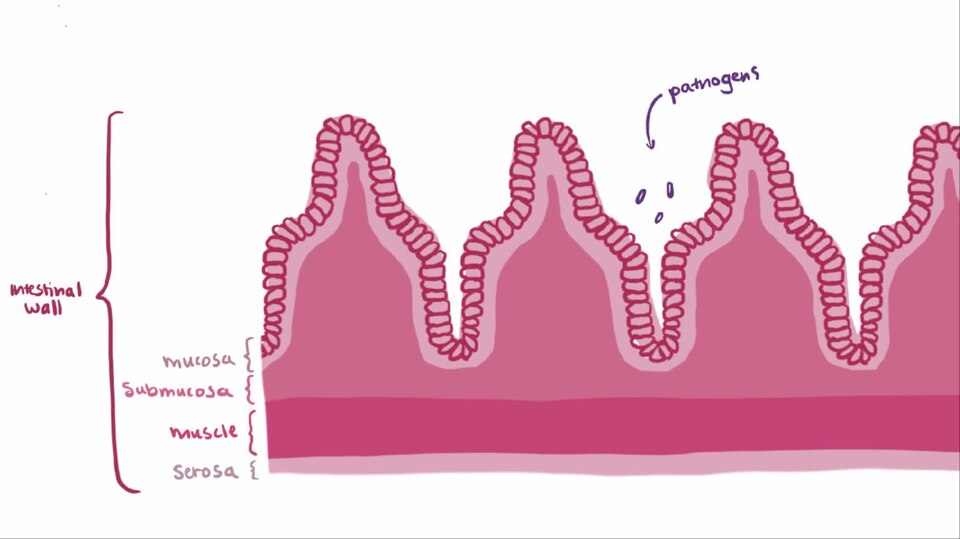
Crohn's is a chronic, relapsing inflammatory condition that can affect any part of the gastrointestinal tract. Emanuelle Bellaguarda, a gastroenterologist and associate professor at Northwestern University, told Healthline that the disease can present as superficial or deep ulcers. Left untreated, it can progress to bowel damage, including strictures and fistulas, which are abnormal connections between loops of bowel or between the bowel and skin.
Harris had spent much of that first year trying to manage her symptoms through diet. Her mother, a registered dietitian with four decades of experience, suspected a gluten intolerance. Harris kept a food journal, cut back on certain foods, and tried the BRAT diet of bananas, rice, applesauce, and toast. Nothing helped. Eventually, eating anything caused pain, and she stopped eating regularly. By the time she was diagnosed, she had lost 20 pounds.
"I kind of went into a little depression," Harris told Healthline. "I'm supposed to be at the peak of my life, and it wasn't that anymore."
While diet can play a role in managing symptoms like diarrhea and bloating, Bellaguarda said no studies show that diet alone can heal the inflammatory burden associated with Crohn's disease. The condition requires medical treatment. Harris's story illustrates how easily its symptoms, frequent bathroom trips, fatigue, abdominal pain, can be attributed to food choices rather than a serious underlying illness.
Harris is now sharing her experience publicly to raise awareness. Her core message is direct: persistent symptoms are not always a diet problem, and pushing through them without a proper diagnosis can mean years of preventable damage.