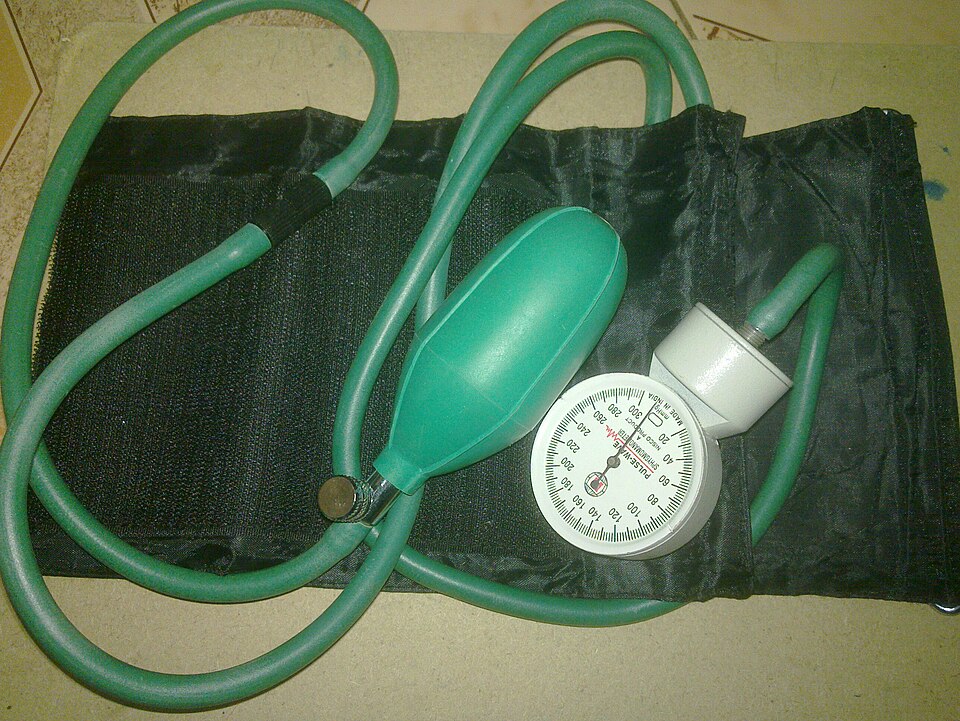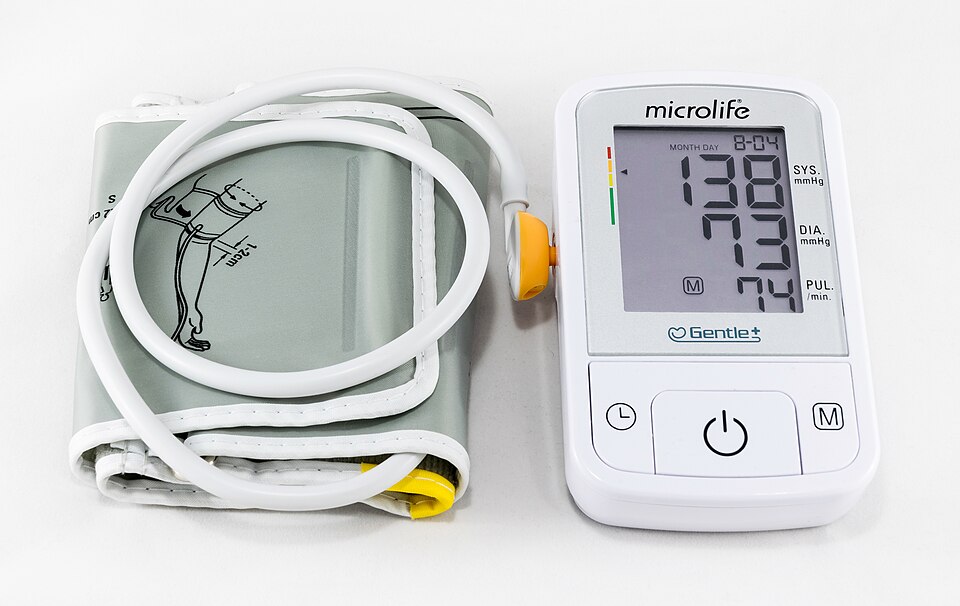
High blood pressure is not just a middle-age problem. New research suggests that sustained elevated blood pressure during a person's 30s significantly raises the risk of developing heart disease and chronic kidney disease by the time they reach their 40s and 50s.
The findings, presented at a recent medical conference, drew on health records from 291,887 adults enrolled in the Korean National Health Insurance Service database. Each participant was 30 years old between 2002 and 2004 and received routine health screenings throughout their 30s. None had a prior diagnosis of heart or kidney disease before age 40. Researchers tracked what happened over the following decade.
Rather than recording a single blood pressure reading, the researchers calculated cumulative blood pressure levels from ages 30 to 40. That approach accounted for both how high blood pressure climbed and how long it stayed elevated. Participants who sustained higher readings over the full decade showed measurably greater rates of cardiovascular and kidney disease in the follow-up period. Chronic kidney disease diagnoses were confirmed through laboratory tests conducted during follow-up.
The study has not yet been published in a peer-reviewed journal, but its scale and methodology drew attention from cardiologists not involved in the research.
"High blood pressure is a known significant risk factor for developing both heart disease and kidney disease," said Cheng-Han Chen, an interventional cardiologist and medical director of the Structural Heart Program at MemorialCare Saddleback Medical Center in Laguna Hills, California. "It is thus unsurprising, although still concerning, that long periods of elevated blood pressure in young adulthood would lead to premature cardiovascular and kidney events in middle age."
Nearly half of all U.S. adults live with hypertension, according to the American Heart Association. It is the leading cause of cardiovascular disease and premature death worldwide, and the most common modifiable risk factor for both heart disease and stroke. Current AHA guidelines recommend treating hypertension based on a patient's predicted 10-year cardiovascular risk, a threshold that can work against younger patients whose near-term numbers appear low even when cumulative exposure is rising.
That gap in clinical attention concerns some physicians. "Often we ignore elevated blood pressures in young adults, thinking that we'll just watch it," said Karishma Patwa, a cardiologist at Manhattan Cardiology in New York City. "The new data is reinforcing that screening and management should begin much earlier than midlife."
The study adds to a growing body of evidence that the cardiovascular system accumulates damage over years, not just in the period immediately before a diagnosis. For clinicians, the practical implication is that a patient in their early 30s with blood pressure readings that don't yet meet a treatment threshold may still be on a trajectory toward serious disease if those readings remain elevated year after year.