Tesla's chief financial officer raised the company's 2026 capital expenditure estimate to $25 billion during the latest earnings call, up from the $20 billion figure CEO Elon Musk had offered investors just three months earlier. The increase puts Tesla's cash flow trajectory at the center of the investment case heading into the next several years.
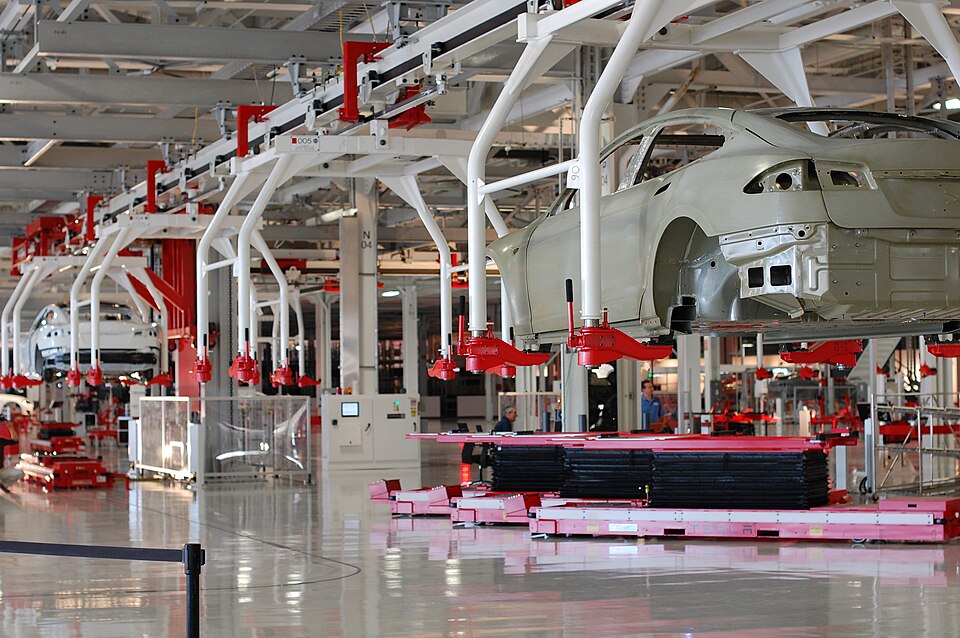
The spending is allocated across six major projects currently at various stages of development. Those include a lithium refinery in Texas, a lithium iron phosphate battery factory in Nevada, Cybercab pilot production in Texas, Tesla Semi pilot production also in Nevada, a new Megafactory in Texas for large-scale energy storage systems, and Optimus humanoid robot production facilities in both California and Texas. The Megapack production line is on track to begin output later this year.
Tesla's commitments may grow further. The company has agreed alongside xAI, SpaceX, and Intel to partner with Terafab, a semiconductor fabrication plant that will produce chips for use in Optimus and electric vehicles including the Cybercab. Wall Street's current consensus sits at $25.6 billion in capital spending for 2026, followed by roughly $16 billion in each of the two subsequent years.
The math on cash flow is straightforward and not particularly comfortable for near-term shareholders. With capital expenditures expected to exceed operating cash flow, Tesla is projected to burn cash in 2026 and possibly into 2027. Analysts currently forecast a return to free cash flow generation in 2028, when operating cash flow is expected to cover capital spending.
What provides a buffer is Tesla's balance sheet. The Wall Street consensus projects the company will end 2026 with $22.5 billion in net cash, enough to fund its near-term spending obligations without raising external capital. A return to positive free cash flow in the latter half of 2027 would further stabilize the picture.
Still, the investment case hinges on future revenue from sources that do not yet exist at commercial scale. Robotaxi operations, Optimus robot sales, and unsupervised full self-driving are the projected drivers of operating cash flow growth. Any delays in launching those services or slower-than-expected adoption would compress cash flow estimates and pressure the stock. Investors will be watching both the pace of capital deployment and the timing of revenue from Tesla's next-generation businesses as the critical variables in the years ahead.