Oil markets jolted higher Monday after U.S.-Iran peace negotiations collapsed again, pushing international benchmark Brent crude futures up nearly 3% to close at $108.23 per barrel. U.S. West Texas Intermediate futures settled at $96.37, a gain of about 2%.
The immediate trigger was the cancellation of planned talks in Islamabad. President Donald Trump had sent envoy Steve Witkoff and Jared Kushner toward Pakistan for a second round of negotiations, but Trump pulled the plug Saturday. "Too much time wasted on traveling, too much work!" Trump wrote on Truth Social, adding that Iran's leadership was riven with "tremendous infighting and confusion." Iranian Foreign Minister Abbas Araghchi traveled to Islamabad over the weekend but left after meeting only with Pakistani officials. Iran's Foreign Ministry confirmed no meeting with U.S. counterparts took place.
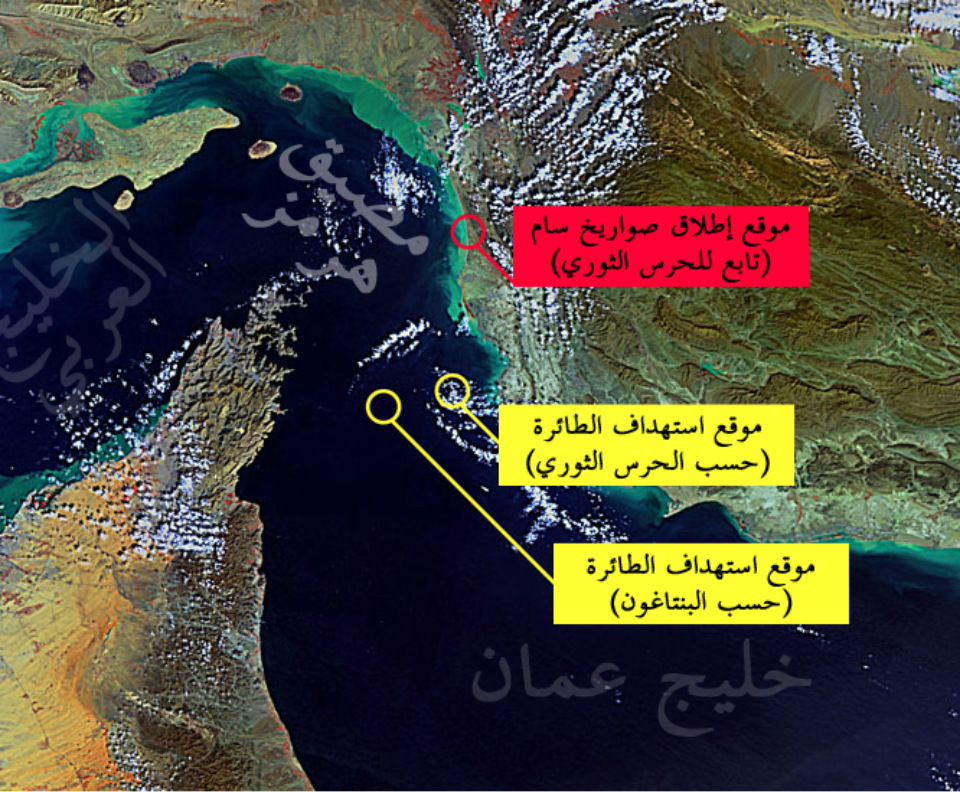
The Strait of Hormuz sits at the center of the market's anxiety. The waterway is a critical chokepoint for global oil flows, and any prolonged disruption tightens supply across international markets. "Oil is trading stronger this morning after attempts to get US-Iran peace talks back on track broke down, erasing hopes for a resumption of energy flows through the Strait of Hormuz anytime soon," said Warren Patterson, head of commodities strategy at Dutch bank ING. "The lack of progress means the market is tightening every day, requiring oil prices to reprice at higher levels."
Goldman Sachs moved its forecasts on Sunday, before markets opened. The bank now expects Brent to average $90 per barrel in the fourth quarter, up from a prior estimate of $80. It revised its WTI forecast to $83 per barrel from $75. Goldman analysts cited delays in normalizing exports through the Strait and Gulf production coming back online more slowly than expected.
Citi analysts issued a more alarming scenario. If oil flows through the Strait remain disrupted through the end of June, Brent prices could reach $150 per barrel, the bank said.
Despite the breakdown, Iran has not entirely stepped back from the table. Axios reported Monday, citing a U.S. official and two people with knowledge of the matter, that Iran has offered a new proposal to reopen the Strait of Hormuz and end the conflict while asking that nuclear talks be deferred to a later stage. Whether that proposal reaches U.S. negotiators depends on whether the two sides can agree on a format and venue. Trump's Truth Social post suggests he sees no urgency to meet Iran halfway. "If they want to talk, all they have to do is call!!!" he wrote.
The standoff leaves energy traders in an uncomfortable position. Goldman's revised forecast represents a significant markup in just a few weeks, and Citi's $150 scenario, while contingent on continued disruption, is no longer being dismissed as a tail risk. Every day the Strait remains effectively off-limits for normal traffic adds pressure to a market already running lean on spare capacity.