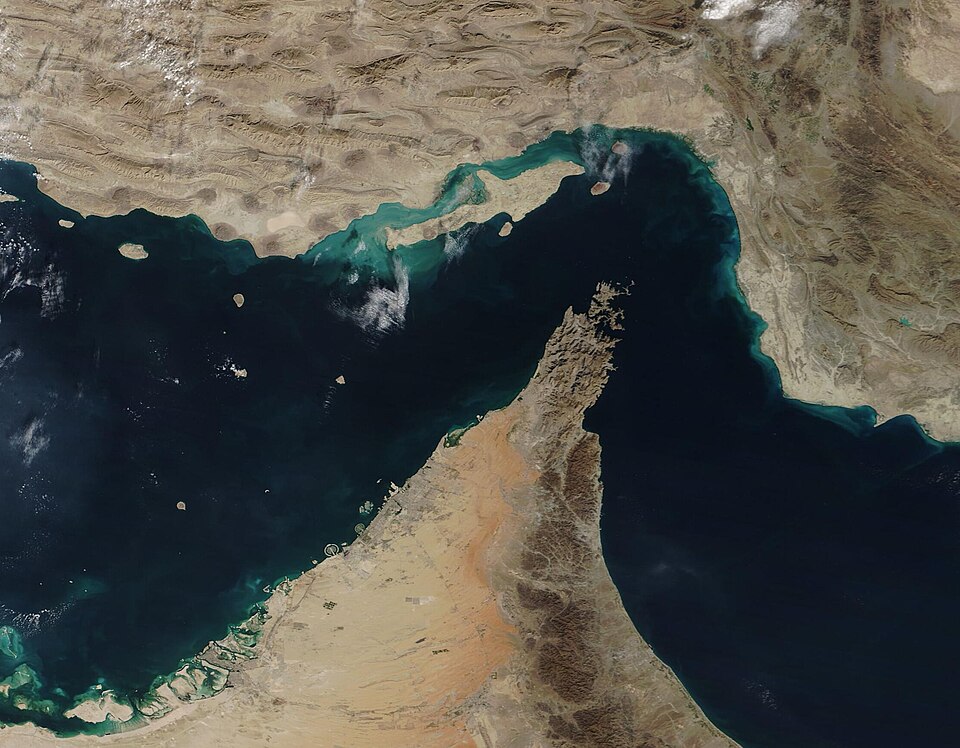
Iran has offered Washington a new proposal to reopen the Strait of Hormuz and end the war, according to Axios, which cited a U.S. official and two sources with knowledge of the matter. The offer also includes a suggestion that nuclear talks be deferred to a later date. The proposal landed after a weekend of diplomatic turbulence that sent oil prices sharply higher.
Brent crude climbed above $107 a barrel on Monday morning, a three-week high, while U.S. West Texas Intermediate rose nearly 2% to around $96. The jump reflects a persistent risk premium in energy markets as traders price in continued uncertainty around the critical Persian Gulf waterway, through which roughly a fifth of the world's oil passes.
The backdrop is messy. President Donald Trump scrapped plans on Saturday to send envoy Steve Witkoff and Jared Kushner to Islamabad for face-to-face talks with Iran, citing what he described as "tremendous infighting and confusion" within Tehran's leadership. On Truth Social, Trump wrote that if Iran wanted to talk, "all they have to do is call." Iran's Foreign Ministry spokesman Esmaeil Baqaei said at the weekend that no meetings between the two sides were planned.
Iran's Foreign Minister Abbas Araghchi made a brief return to Islamabad on Sunday as Pakistan's government attempted to revive the talks. He has since departed for Moscow. The sequence of moves signals that back-channel diplomacy is still active even as the public posture from both sides remains combative.
Goldman Sachs raised its oil price outlook Monday, now expecting Brent to average $90 a barrel by late 2026, up from a prior forecast of $80. The bank said global inventories are drawing at a record pace of 11 million to 12 million barrels per day in April, driven by delayed normalization in Gulf exports now expected only by end-June and a slower-than-anticipated production recovery. Even if Hormuz flows eventually resume, Goldman warned, depleted inventories and supply lag will keep markets tight.
Investment firm Invesco estimates $80 a barrel as a likely floor for Brent this year absent a full reopening of the strait. Billy Leung, investment strategist at Global X ETFs, said the worst may not be over. "I'd argue the fat tail is still ahead of us, not behind," he said, referring to the probability of extreme market disruptions.
European equities opened broadly higher Monday despite the uncertainty. The pan-European Stoxx 600 gained nearly 1% in early trading, led by oil and gas stocks, which rose 0.6%. Germany's DAX climbed 0.4%. Food and beverage stocks fell 0.5% and chemicals dipped 0.4%, reflecting concerns over sustained supply chain bottlenecks tied to Hormuz. The U.K.'s FTSE edged down slightly.
Global stocks have so far proved resilient, with major indices hovering near record highs despite the ongoing energy shock. Analysts attribute the durability partly to strong structural demand driven by artificial intelligence investment, which has offset some of the geopolitical drag. But experts cautioned that the longer the strait remains closed, the more acute the economic pressure becomes, with rising energy costs eventually forcing demand destruction in energy-importing regions.
The week ahead brings another layer of complexity for markets. The U.S. Federal Reserve, European Central Bank, and Bank of England all hold policy meetings in the coming days. Wednesday's Fed decision may be Jerome Powell's last as chair before Kevin Warsh is expected to take over in May, after the Department of Justice dropped its criminal probe into Powell on Friday and Senator Thom Tillis ended his block of Warsh's confirmation. The ECB and BOE are both expected to hold rates on Thursday, though economists say both central banks will likely leave the door open to increases later in the year if energy-driven inflation persists.