Thirty-two million Americans live with osteoarthritis, and for most of them, the options come down to managing pain or eventually replacing the damaged joint with an artificial one. A new federal research initiative is trying to change that.
The Advanced Research Projects Agency for Health, known as ARPA-H, is funding a program called NITRO — Novel Innovations for Tissue Regeneration in Osteoarthritis — that brings together researchers from Duke University, Columbia University, and the University of Colorado Boulder. The goal is not to mask symptoms but to help joints repair themselves. The program targets a disease that currently has no cure and costs the U.S. healthcare system more than $132 billion annually.
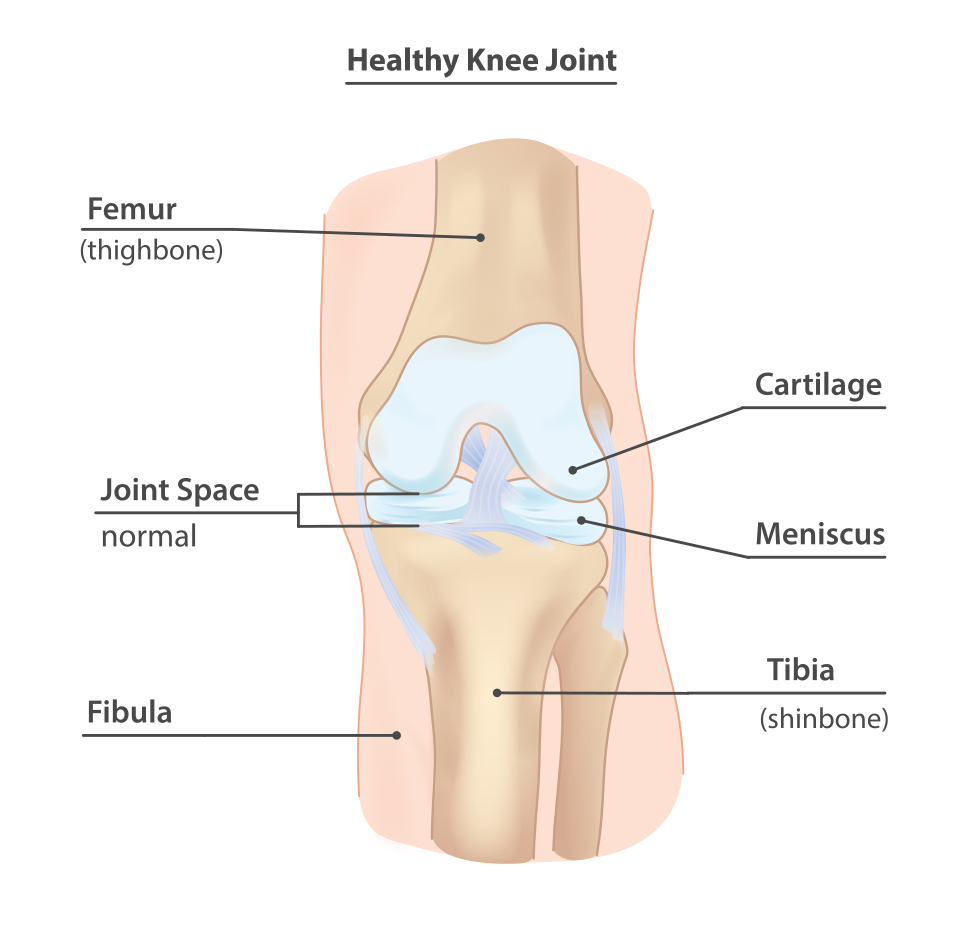
Osteoarthritis develops when joint tissue breaks down due to aging, obesity, injury, or overuse. Over time, the cartilage that cushions bones erodes, leading to pain, stiffness, and reduced mobility. Standard treatments slow the damage or replace the joint once it has failed. The NITRO program is designed to intervene before that point, using biological therapies to stimulate the body's own repair mechanisms.
Duke University has developed two injectable drug formulations that release over time and stimulate regrowth of both bone and cartilage in damaged joints. The treatments are designed for infrequent use — just once per year — and can be administered individually or together depending on the patient's needs. Researchers also created an intravenous version that promotes cartilage repair across multiple joints simultaneously, reducing the burden of repeated injections.
The University of Colorado Boulder contributed two additional approaches. One is a patented particle-delivery system injected directly into a joint, releasing controlled bursts of a repurposed regenerative drug over several months. The other is an engineered protein cocktail that is injected arthroscopically and hardens in place to repair cartilage at a precise location. Both have shown results in animal studies.
A third approach under the NITRO umbrella involves living knee implants constructed from human tissue. Rather than metal or plastic prosthetics, these implants would be biological structures capable of integrating with the body and potentially lasting longer than conventional replacements.
Human trials are expected to begin within the next year, according to ARPA-H. That timeline represents a meaningful step forward for a condition that has resisted curative treatment for decades. Researchers caution that safety and effectiveness in humans still need to be verified, and that the path from animal studies to approved therapies involves significant additional work.
If the treatments prove successful in trials, the implications extend beyond pain relief. Eliminating or delaying the need for joint replacement surgery would reduce recovery time, lower healthcare costs, and improve quality of life for millions of older adults who currently have few options beyond managing decline.