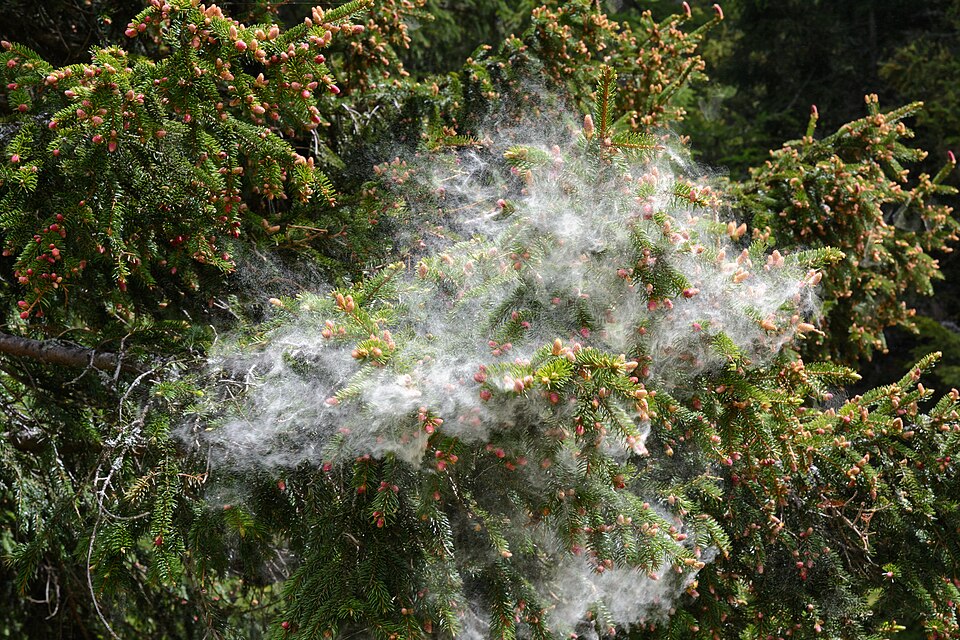
Boise, Idaho topped the Asthma and Allergy Foundation of America's 2026 list of the worst American cities for pollen allergies, with Western cities claiming more spots in the top 20 than any previous year.
The AAFA ranks 100 cities across the contiguous United States each year based on pollen scores for tree, grass, and weed pollen, over-the-counter allergy medication use, and the availability of allergy specialists. The full top 20 for 2026, in order: Boise, San Diego, Tulsa, Provo, Rochester, Wichita, Raleigh, Ogden, Spokane, Greenville, San Francisco, Minneapolis, Salt Lake City, Richmond, Colorado Springs, Little Rock, Toledo, New Orleans, Winston-Salem, and Lakeland, Florida.
The shift toward more Western cities is notable. Historically, Southern and Midwestern cities dominated the upper tiers. The AAFA attributed the broader geographic spread in part to climate change, which is extending and intensifying pollen seasons across regions that once offered relative relief.
Noah Greenspan, a board-certified clinical specialist in cardiovascular and pulmonary physical therapy and founder of Pulmonary Wellness Complex PT, said the trend is not expected to reverse. "Allergy seasons are getting longer and worse all the time, and I think we can expect an increase in allergy-driven symptoms this spring and every spring going forward," he told Healthline. He added that people spending more time outdoors face increased exposure to heat, humidity, and allergens, and that the severity of symptoms will vary depending on location and the specific environmental triggers present there.
Some parts of the United States already see year-round pollen from trees, weeds, and grasses, with no true off-season for allergy sufferers.
The American College of Allergy, Asthma, and Immunology offers several practical steps for reducing exposure. Monitoring local pollen counts before going outside is one starting point. Keeping windows closed in homes and cars and letting HVAC systems filter the air can help. Changing HVAC filters regularly, especially during peak allergy months, is also recommended.
For those with known triggers, limiting time outdoors during high pollen periods, particularly on dry and windy days, can reduce how much pollen reaches the airways. Showering after spending time outside to wash off pollen is another commonly suggested step.
Allergy specialists remain unevenly distributed across the country, a factor the AAFA weighs in its rankings. Cities with fewer specialists score worse, meaning residents may struggle to access prescription treatments like immunotherapy even when over-the-counter options fall short.
The AAFA's full 100-city ranking for 2026 is available in its annual allergy capitals report.