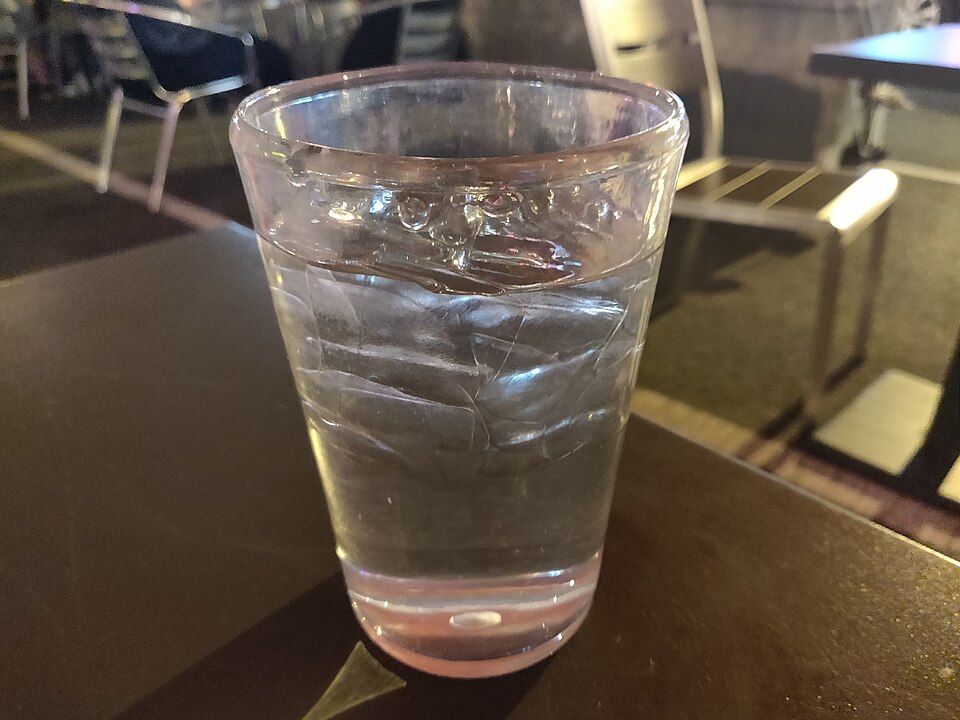
A Harvard study tracking 143,000 people over three decades found that swapping sugary drinks for water produced the greatest weight loss, while switching to artificially sweetened beverages helped too, but less so.
The researchers, from the Harvard T.H. Chan School of Public Health, drew on data from three major long-running studies: the Nurses' Health Study, the Nurses' Health Study II, and the Health Professionals Follow-up Study. Participants ranged from ages 26 to 65 and were followed for 24 to 32 years. Every two years, they completed questionnaires updating their medical, lifestyle, and physical measurements.
The findings, published in the American Journal of Clinical Nutrition, showed the average participant gained about 1.3 kilograms, roughly 2.8 pounds, every four years. But those who made specific beverage swaps bucked that trend. Replacing three servings per week of a sugary drink with an artificially sweetened alternative was linked to a weight loss of 1.39 kilograms. Similar results appeared when sugary beverages were replaced with water. People who switched from artificially sweetened drinks to water saw more modest losses. Those who replaced sugary beverages with water directly saw the highest weight loss of any group.
The effect was most pronounced among participants who were overweight or obese and who had been drinking the most sugary beverages at the start of the studies.
Experts not involved in the research told Healthline that while artificially sweetened drinks may offer some benefit over soda and juice, they carry their own risks. "Avoiding sweeteners entirely by choosing plain water is the better option," said Mir Ali, a bariatric surgeon and medical director of MemorialCare Surgical Weight Loss Center at Orange Coast Medical Center in Fountain Valley, California. "This avoids the adverse effects of both sugar and artificial sweeteners and is beneficial for weight loss."
Dietitian Kristin Kirkpatrick, president of KAK Consulting and a dietitian at the Cleveland Clinic Department of Wellness and Preventive Medicine, pointed to the processed nature of both categories of sweetened drinks. "Water provides hydration and is void of additives," she said. "Sugar-sweetened and artificially sweetened beverages are considered ultra-processed. Therefore, choosing water is a great way to start reducing processed foods in the diet."
The study adds to a growing body of research on how everyday beverage choices shape long-term body weight, particularly for people who regularly reach for sodas or other sweetened drinks.