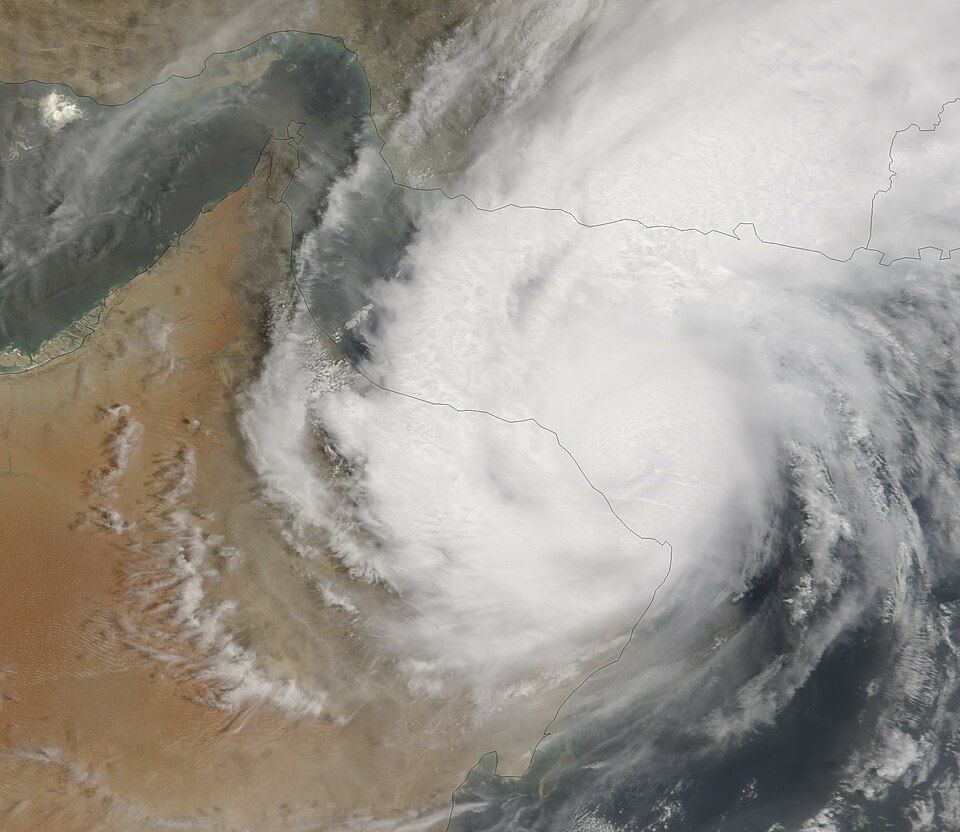
Iran has offered to reopen the Strait of Hormuz to commercial shipping if the United States drops its military blockade of Iranian ports and vessels, according to sources cited by CBS News. The proposal carries a significant condition: it includes no concessions on Iran's nuclear program, which President Trump has insisted must be dismantled as part of any deal to end the two-month war.
Trump abruptly canceled plans over the weekend to send senior envoys to Pakistan for a second round of direct talks with Iranian officials. He posted that his administration holds "all the cards" and that if Tehran wants to talk, "they can come to us, or they can call us." The cancellation has left Pakistan-led diplomacy in serious doubt. Iran's foreign minister traveled to Moscow on Monday to meet with President Vladimir Putin.
Complicating matters further, Hezbollah's leader flatly rejected U.S.-brokered negotiations between Israel and Lebanon, casting fresh doubt on a parallel ceasefire and tightening the diplomatic knot around any broader regional settlement.
Dozens of nations signed a joint statement Monday, led by Bahrain, calling for the Strait to reopen. United Nations Secretary-General Antonio Guterres addressed the U.N. Security Council on the growing humanitarian toll. "These pressures are cascading into empty fuel tanks, empty shelves — and empty plates," he said. French Foreign Minister Jean-Noel Barrot took aim at all parties, saying the crisis began after the U.S. and Israel struck Iran "without clear goals and in a manner that flouts international law," while also blaming Iran for closing the waterway. "Straits are the arteries of the world," Barrot said. "They are not the property of any individual."
The Strait's effective closure has sent European jet fuel prices soaring. Before the war began on February 28, jet fuel traded at $831 per metric tonne in Europe. It surged past $1,800 before settling back to around $1,500, still nearly double its pre-war level. More than half of Europe's jet fuel imports typically flow from the Gulf region through the Strait.
Wizz Air chief executive József Váradi said European airlines are currently cutting short-haul fares to overcome what he called customer "hesitancy" about the broader economic fallout. "Simply people don't know what's going to happen," he told reporters. "Is it going to translate into a bigger energy crisis? Am I going to lose my job? Inflation is through the roof." He said airlines that locked in fuel prices before the war began have room to absorb the shock in the short term. Many European carriers use hedging strategies, buying fuel in advance at fixed prices. His comments stand in contrast to other airlines that have said they are raising fares or cutting routes.
Váradi dismissed widespread fears of a summer fuel shortage, saying he knows "for a fact that tankers are going to the United States to pick up fuel and bring that to Europe." But he acknowledged that if supplies did collapse, it would create a "complete mess," with some airports having fuel while others did not, forcing cancellations. Spain's industry and tourism minister separately advised travelers to book flights sooner rather than later to avoid potentially higher fares.
U.S. and Iranian officials also clashed Monday at the opening of the Nuclear Non-Proliferation Treaty review conference at U.N. headquarters in New York, a four-week meeting expected to keep the dispute in the open. The friction centered on Iran's election as one of 34 vice-presidents of the conference. The U.S. representative said the Trump administration was "deeply shocked" by the selection. Russia objected to singling Iran out.