Heather Kaiser went to her doctor in 2025 with gastrointestinal symptoms and left with a diagnosis that upended her life. She was 43, healthy by most measures, and had two young sons. Colon cancer was not on her radar.
Her symptoms appeared gradually. Kaiser initially thought they were hormonal or diet-related. An elimination diet brought temporary relief, and she told friends there was no way she had cancer. Then the symptoms came back.
Within a month of recurrence, she ended up in the emergency room. Doctors sent her home with an explanation: an ovarian cyst. It was only at a follow-up with her OB-GYN that someone took her concerns seriously enough to refer her to a gastroenterologist.
Even the specialist wasn't expecting what he found. "Even the GI doctor didn't think that it was cancer," Kaiser told Healthline. "We all thought it was probably going to be irritable bowel syndrome or celiac disease."
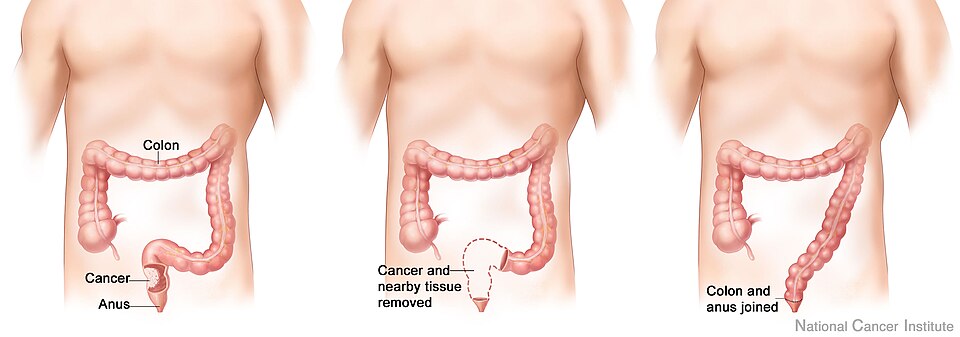
When she came out of a colonoscopy, the doctor's expression told her something was wrong before he spoke. He had found a mass the size of a fist. It would need to be surgically removed and was almost certainly cancer. Kaiser held out hope for a week while waiting for pathology results. When they came back, she sat with the news alone for at least a day before telling anyone, including her husband.
Surgery was scheduled for June 2025, six months after her first ER visit. Kaiser chose the timing deliberately. Her sons were 10 and 5, and she wanted to wait until the school year ended. "I have two small boys," she said. "I wanted to wait until they were done with school."
The surgery went reasonably well, but her surgeon was not confident they had achieved clean margins, meaning cancer cells may have remained at the edges of the removed tissue. Her case was sent to an oncologist, who ordered genetic testing on the tumor. The results changed the picture significantly. What had been assumed to be a traditional, slow-growing form of colon cancer turned out to be something more resistant to standard treatment.
Kaiser's cancer was classified as chemo-resistant, a designation that closes off one of the most common treatment paths and forces patients and oncologists to look at alternatives. For Kaiser, that has meant navigating a more uncertain road while continuing to show up as a mother.
"I was so afraid of chemo," she said. "I was afraid of how I was going to feel, how I was going to look, and mostly, how I was going to be able to show up" for her children.
Early-onset colorectal cancer, defined as cases diagnosed in people under 50, has been rising in the United States for decades. Researchers have not identified a single cause, and many younger patients, like Kaiser, face delays in diagnosis because their age makes cancer a lower clinical suspicion. Kaiser's case moved through multiple providers and at least one incorrect explanation before reaching a gastroenterologist.
Her story has drawn attention to both the diagnostic challenges facing younger patients with gastrointestinal symptoms and the specific difficulties posed by cancers that do not respond to conventional chemotherapy. For Kaiser, the focus remains on her family and on continuing to pursue whatever options her medical team can identify.