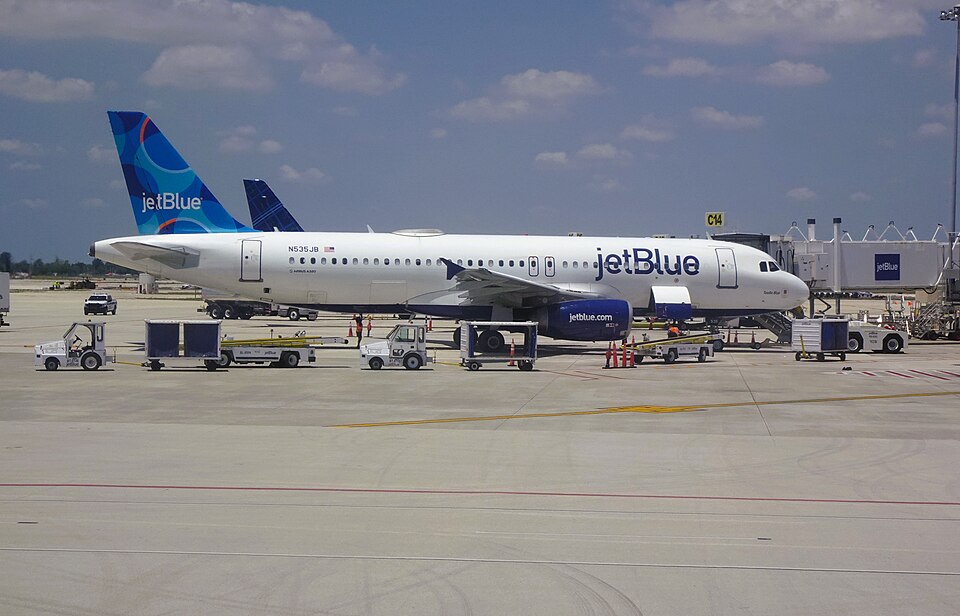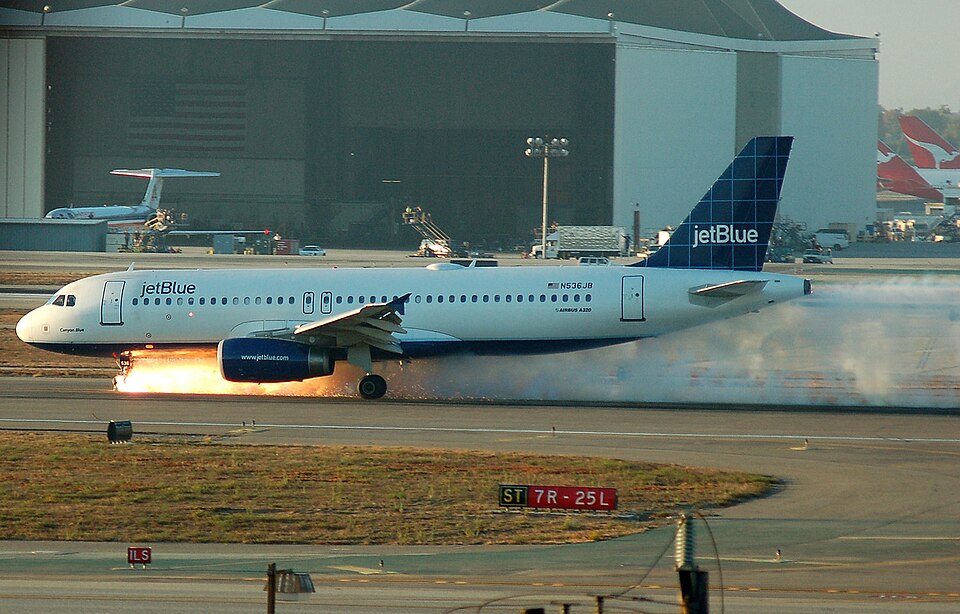
Travel companies are delivering a mixed picture of consumer demand this week, with JetBlue, Booking Holdings, and Hilton all offering cautious or conflicting commentary on the months ahead as fuel costs climb sharply.
The common thread across the three companies is fuel. Prices have surged in connection with the Iran War, adding significant cost pressure to airlines in particular, where jet fuel is typically the single largest operating expense. Higher fuel costs can compress margins even when passenger demand holds steady.
JetBlue has been one of the more vulnerable carriers heading into this period. The airline spent much of 2024 and 2025 restructuring its network and exiting unprofitable routes after its attempted acquisition of Spirit Airlines collapsed. Higher fuel prices arrive at a moment when the carrier has limited financial cushion to absorb cost shocks without passing them on to travelers or cutting capacity.
Booking Holdings, which operates platforms including Priceline and Kayak, offered a more nuanced read. The online travel aggregator sits at the intersection of airline tickets, hotel rooms, and rental cars, giving it a broad view of consumer behavior. When fuel prices rise sharply, travelers sometimes shift spending toward shorter-haul destinations or domestic trips, changing the mix of bookings rather than eliminating them altogether.
Hilton's commentary added to the complexity. Hotel operators have generally benefited from strong leisure travel demand over the past two years, but business travel and international bookings are more sensitive to economic uncertainty. Rising fuel costs affect transatlantic and transpacific routes most acutely, which can dampen high-margin bookings for premium hotel categories.
The geopolitical dimension adds a layer of uncertainty that is difficult to model. Conflict in the Middle East historically creates volatility in both oil markets and international travel demand. Airlines and hotel operators are navigating a situation where the cost environment can shift quickly depending on developments that have nothing to do with underlying consumer sentiment.
Summer is the most important revenue period for leisure-focused carriers and resort hotels. How fuel costs evolve over the next six to eight weeks will significantly shape whether the mixed signals from this week's earnings translate into a strong season or a difficult one.