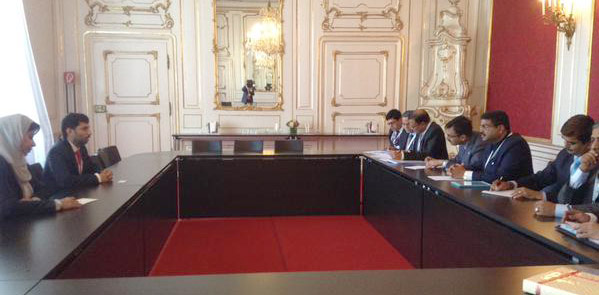
The United Arab Emirates will formally exit OPEC on May 1, the country's Energy Minister Suhail Al Mazrouei confirmed to CNBC on Wednesday, in a move that sent ripples through global energy markets and raised fresh questions about the cartel's long-term cohesion.
Al Mazrouei framed the decision as a matter of ambition rather than animosity. The UAE wants the operational freedom to hit a production capacity target of 5 million barrels per day by 2027, a goal he said is incompatible with OPEC's quota structure. He added that the UAE retains "the highest respect for the Saudis for leading OPEC."
Oil prices were trading near flat in the immediate aftermath of the announcement, with Asian stocks and European futures also relatively muted. But analysts warned the longer-term consequences for OPEC's influence could be significant.
"The UAE exit is another chapter in the changing membership of the group," said Andy Lipow, president of Lipow Oil Associates. "If countries that are abiding by their quota get disgusted with those that don't, we could see additional exits that could eventually make OPEC irrelevant as a cartel," Lipow told CNBC via email.
The UAE's departure is not without precedent. Qatar left OPEC in 2019, citing a mismatch between the organization's oil-focused framework and Doha's gas-driven national strategy. Ecuador and Angola have also exited in recent years, with Angola departing as recently as 2024 after expressing frustration over production limits that constrained its revenue at a time of pressing national need.
What makes the UAE's exit different is its scale. The country is one of OPEC's largest producers and has been investing heavily in expanding capacity. Its departure removes a significant voice from the group's internal deliberations and weakens the collective output discipline that gives the cartel its market power.
The timing also matters. OPEC has been navigating member compliance issues for years, with several countries routinely exceeding their agreed quotas. Countries that stick to the rules have grown increasingly frustrated watching others pump more without consequence. The UAE's decision to leave rather than continue absorbing that frustration may signal a shift in how major producers weigh membership against national interest.
The Senate Banking Committee was expected to vote Wednesday to advance Kevin Warsh's nomination as Federal Reserve Chair to the full Senate, adding another layer of uncertainty to an already complex global economic backdrop for energy markets.