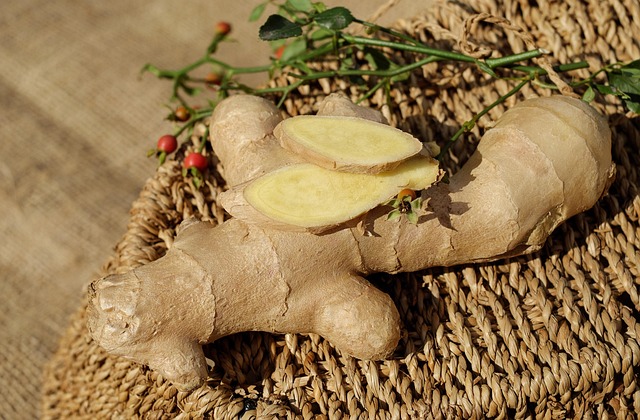
A naturally occurring fatty acid found in ginger and turmeric can prevent drug-resistant bacteria from sticking to and infecting human tissue, according to new research published in Nature Communications. The compound, geranylgeranoic acid, or GGA, worked against methicillin-resistant Staphylococcus aureus in both laboratory tests and mice.
MRSA is one of the most dangerous antibiotic-resistant pathogens in the world. It spreads easily in hospitals and community settings, disproportionately affecting elderly patients and those with compromised immune systems, and is a leading contributor to deaths linked to antimicrobial resistance globally.
The research team, led by Dr. Georgina Cox, Canada Research Chair in Antimicrobial Resistance at the University of Guelph, took a different approach than most antimicrobial research. Rather than developing a compound that kills bacteria outright, they looked for what they call "anti-adhesives" — compounds that strip bacteria of their ability to attach to human tissue and cause infection.
"Antibiotics exert strong killing pressure, selecting for resistant bacteria," Cox said. "But anti-adhesives aim to disarm the bacteria instead of killing them. And because they are expected to exert little to no selective pressure outside of the host, they may be especially effective at limiting resistance development in the environment, compared to traditional antibiotics."
To find GGA, the team used a high-throughput screening technique developed in Cox's lab, along with facilities at McMaster University's Centre for Microbial Chemical Biology. They screened nearly 4,000 bioactive compounds, including existing drugs and natural products, testing each for its ability to stop staph from binding to human molecules like proteins found on skin and in the bloodstream.
GGA stood out. The compound interfered with multiple surface proteins that MRSA uses to grip human tissue. It also disrupted the bacteria's chemical sensing system, effectively blinding the pathogen to its environment and preventing it from mounting a coordinated infection response. "Staph has a diverse arsenal of surface proteins that make it sticky," Cox said, "but this compound interferes with several of them."
Working with collaborators at Western University, the team then moved to animal testing. In mice, GGA both prevented the formation of staph-caused skin lesions and reduced the severity of infections that had already developed. The dual effect — preventive and therapeutic — strengthened the case for continued investigation.
The approach addresses one of the core problems with conventional antibiotic development. Every time a new antibiotic kills most of a bacterial population, it creates evolutionary pressure favoring the survivors, eventually producing resistant strains. Anti-adhesives, by contrast, leave bacteria alive but harmless, which researchers believe could slow the emergence of resistance. Cox cautioned, however, that deeper study of the phenomenon is still needed.
Anti-adhesives remain an emerging field. GGA is a naturally occurring compound already present in common foods, which may simplify some aspects of future drug development, though significant work remains before any clinical application is possible. The paper's co-lead author, Dr. Allison Leonard, completed the work as part of her doctoral research at Guelph.