A Colorado woman who runs a small pottery business is facing the possibility of jail time after a prolonged dispute with Adams County over land use regulations, CBS News reported.
The case centers on the pottery owner's refusal to comply with county orders that she contends would effectively shut down her business. Adams County has argued that her operations violate local zoning or property regulations, while the owner maintains that the county's demands are unreasonable and would eliminate a livelihood she has spent years building.
The dispute has escalated to the point where a court could impose incarceration as a penalty for noncompliance, a step that has drawn attention to the broader tension between local regulatory authority and small business operators in unincorporated or semi-rural areas of Colorado.
Details of the specific violations cited by Adams County were not fully outlined in available reporting, but cases of this type typically involve issues such as operating a commercial enterprise in a residentially or agriculturally zoned area, structures built without permits, or failure to meet county code requirements for business signage, parking, or waste handling.
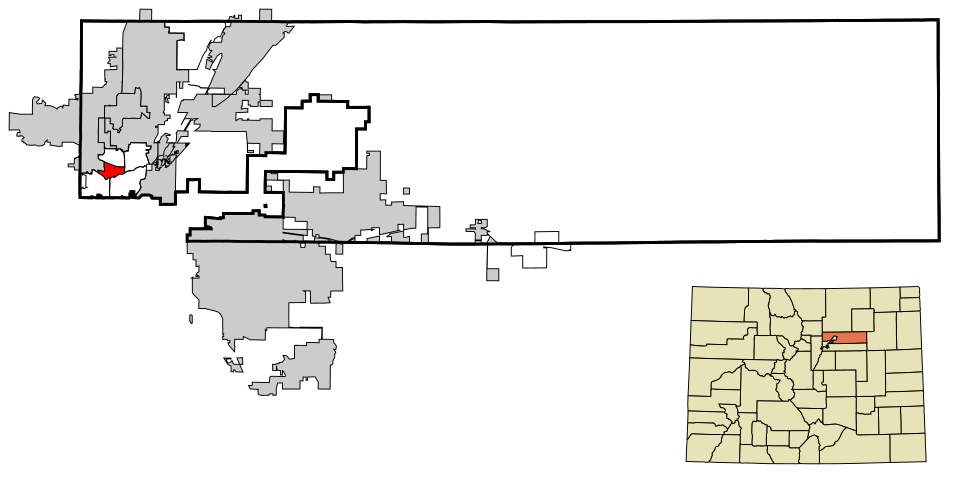
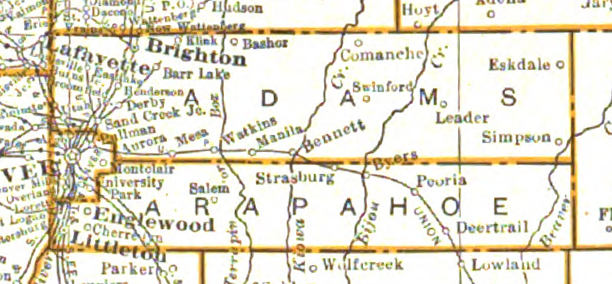
The pottery business owner has become a focal point for advocates who argue that county governments often apply regulations in ways that disproportionately burden sole proprietors and cottage industry operators who lack the legal and financial resources to mount prolonged compliance battles. Adams County, which encompasses communities north and east of Denver, has been one of the faster-growing counties in Colorado, and land use conflicts have multiplied as rural and suburban areas absorb new development pressure.
Whether the owner faces actual incarceration will likely depend on further court proceedings. Contempt of court findings, which often underlie these types of enforcement actions, can result in fines or jail time at a judge's discretion, but courts frequently seek compliance over punishment in civil regulatory matters.
The case remains active as of early May 2026.