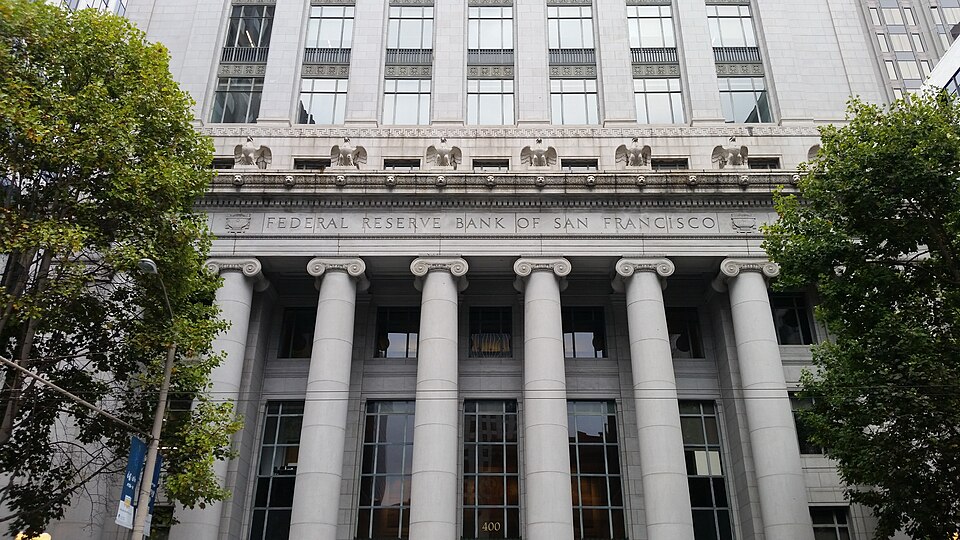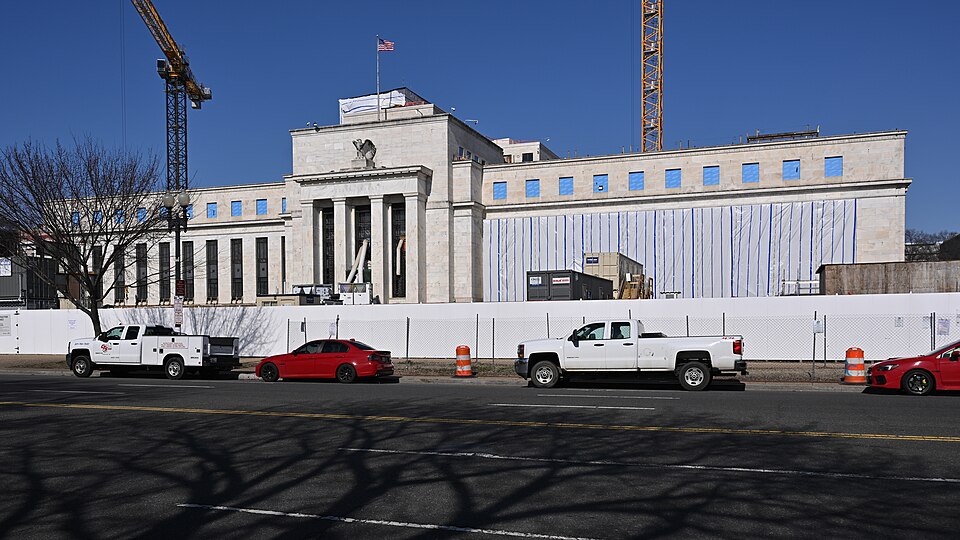
Three Federal Reserve officials broke from the majority this week, voting against holding the central bank's key interest rate steady and calling for immediate hikes to bring inflation back under control. Cleveland Fed President Beth Hammack, Minneapolis Fed President Neel Kashkari, and Dallas Fed President Lorie Logan all dissented, according to CNBC.
The other nine voting members of the Federal Open Market Committee voted to keep the Fed's key overnight borrowing rate in a range between 3.5% and 3.75%, where it has remained all year following a series of three cuts in the latter part of 2025.
Hammack made her position clear in a statement released Friday. "In my view, now is the time for the [Federal Open Market Committee] to act to speed the return of PCE inflation to our 2 percent objective and deliver on our commitment to price stability for the American people," she said. "The longer that high inflation persists, the more challenging and costly it can be to bring it back down."
Inflation has held above the Fed's 2% target for more than five years. The Iran war and the impact of President Donald Trump's tariffs have pushed prices higher again in 2026. Though price increases eased in June as Middle East tensions briefly subsided, energy costs have risen again, generating fears that the Fed will have to tighten policy.
Hammack said she is not confident inflation will come down on its own. She said supply-side factors including energy prices have boosted inflation this year, but she also sees pressure coming from the demand side. Her constituents in the Cleveland area have been describing "pricing pressures as broadening rather than fading, and consumers are expressing despair over persistently higher prices," she said.
Kashkari argued that acting sooner with smaller moves is better than waiting. "In my view, a potential series of small policy moves would be better than waiting and eventually concluding that even bolder actions were necessary," he said. He also pointed to the risk that repeated supply shocks could become entrenched in the economy. "I increasingly believe that monetary policy does have an important role to play in addressing a series of successive supply shocks that might lead to entrenched higher inflation," he said.
Fed Chairman Kevin Warsh, who voted with the majority to hold rates, said the central bank remains committed to its inflation target. "We have begun a new chapter, and we understand that the five-plus years of inflation above target cannot be cured in nine weeks — or by a single month of modest price decreases," he said.
RBC analysts noted that it is normal for stocks to have a tough time around Federal Reserve transitions. Traders have been positioning for more volatility in the S&P 500 as risks grow, according to Bloomberg. For months, the index has remained relatively flat despite large swings in individual sectors that largely canceled each other out. Analysts at RBC described the current environment as a potential valuation opportunity for investors willing to tolerate short-term turbulence, according to MarketWatch.
Logan is expected to release a statement explaining her vote later Friday.