

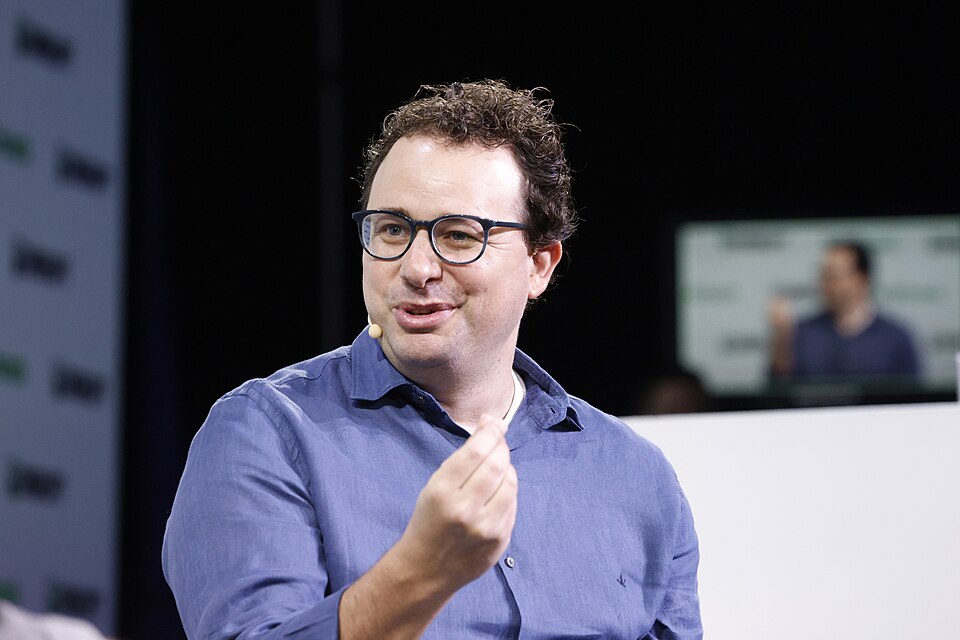
Dario Amodei, the CEO of Anthropic, has proposed a plan to slow down the pace of artificial intelligence development due to growing safety concerns. Amodei outlined the three steps in an essay published on September 12, 2026. The first step involves allowing independent evaluators to access company operations and report safety issues. Amodei said the outside evaluators would receive employee-like access including desks, badges and company laptops. They would also be allowed to publish key findings about safety practices and incidents.
This move was made unilaterally by Anthropic, showing the company’s commitment to transparency in AI development, according to CNBC. The second step encourages cooperation among leading AI firms in democratic countries to set shared safety standards. The third step involves coordination between democratic and authoritarian governments on AI safety practices. Amodei said global agreements would be difficult and would need strong methods for verifying compliance. He suggested that countries could begin with narrower agreements such as banning the use of AI to develop biological weapons.
Amodei clarified that slowing development does not mean halting progress, but ensuring models are properly aligned and secured before release. His proposal comes after an Anthropic researcher publicly quit the company and shared concerns about AI risks on social media. While such fears are not new within AI research circles, they have now moved to the center of public and industry debate. The researcher, Jacob Coxon, said both Anthropic and OpenAI were racing toward self-improving AI without enough attention to the risks.
Amodei noted that while some have suggested pausing AI development since 2023, it did not make sense at that time. Despite concerns, Amodei emphasized his belief in the potential of AI to improve human life. His essay received support from several industry figures, including OpenAI CEO Sam Altman.
Altman said he agreed with Amodei’s call for a slower pace in AI development and that his company would adopt similar safety measures. OpenAI committed to using independent evaluators with employee-like access. Elon Musk, who previously criticized Anthropic, also expressed support for the plan. Musk wrote on X that “Dario is right.”
Musk had once described the company as misanthropic and said it was doomed to become the opposite of its name. However, he later wrote that everyone at Anthropic appeared highly competent and genuinely concerned with doing the right thing. Musk made those positive comments in May after meeting senior Anthropic employees.
Anthropic is preparing for a major initial public offering, though it has not yet announced when it will go public. The company confidentially filed for a public listing earlier this year. Reuters reported that Anthropic is expected to begin marketing the IPO in mid-October at the earliest, though the schedule could still change.
The company’s leadership is now under scrutiny as the debate over AI safety intensifies.
Sam Altman, who leads OpenAI, said his company will not conduct its IPO in 2026 because of ongoing safety and alignment concerns, according to a report from Business Insider. Altman added that the industry is currently focused on how to manage AI risks and ensure responsible development. The discussion around AI safety has become a central topic in recent weeks at OpenAI, according to Altman.
Beyond national leaders, state and local officials are also responding to public outrage over AI data centers and their impact on resources like electricity and water. The growing concern reflects a broader shift in how the tech industry views its role in shaping the future of artificial intelligence. Amodei’s plan is seen as an important step toward managing AI risks while still allowing for innovation. Reuters reported in July that opposition to data centers has grown in communities across the United States over power costs, water supplies and land use.
Industry leaders are now discussing how to balance progress with safety in the fast-moving world of artificial intelligence.