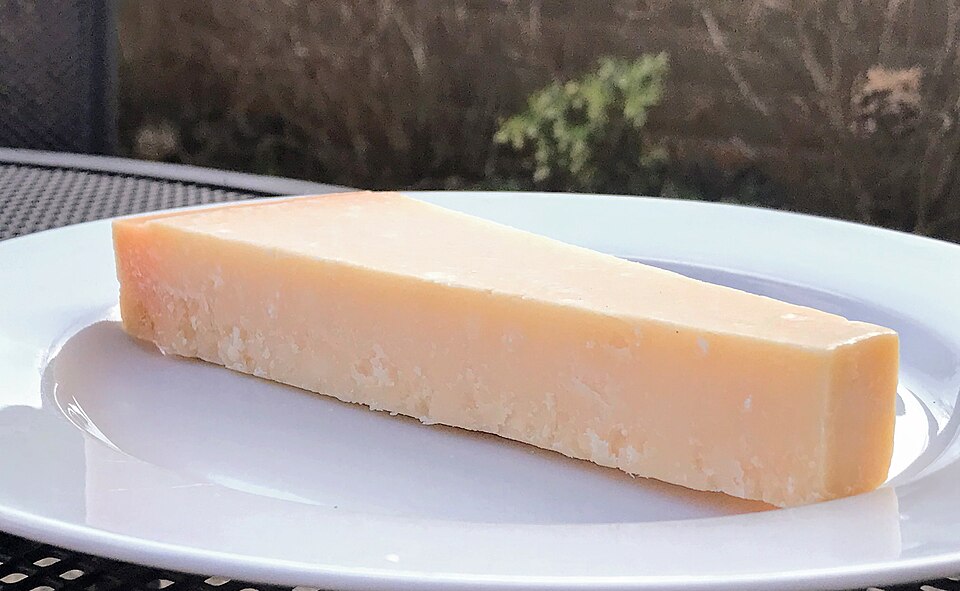
Deep in the Emilia-Romagna region of northern Italy, a financial institution holds an unusual form of collateral stacked floor to ceiling in climate-controlled vaults: wheels of Parmigiano Reggiano cheese.
The institution, known informally as the Cheese Bank, allows Parmigiano producers to borrow money against the value of their aging wheels while those wheels continue to mature. The system, which CNN has detailed, traces its roots back centuries and remains one of the more distinctive financing arrangements in global food production.
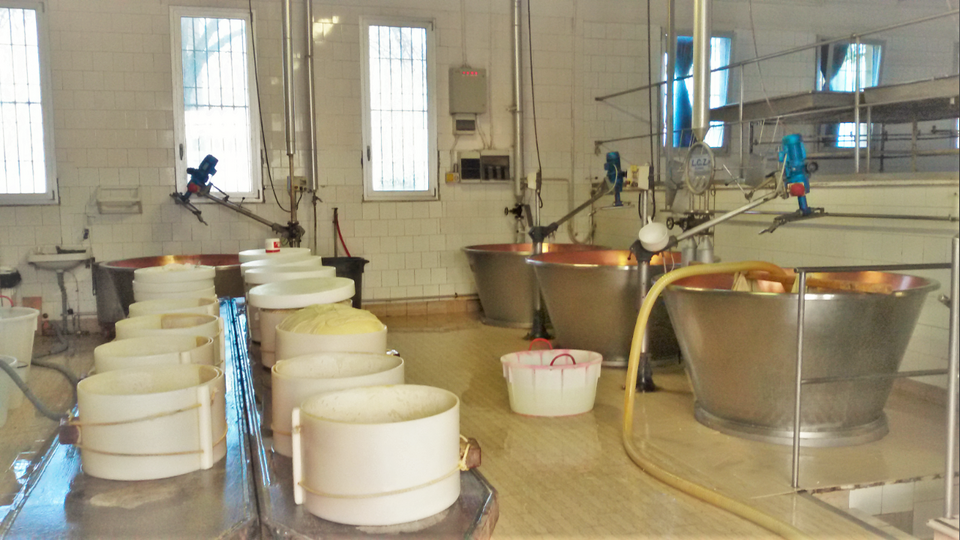
Making authentic Parmigiano Reggiano is an expensive and time-intensive process. Each wheel takes at minimum 12 months to age, with premium grades requiring 24 or 36 months. During that entire period, a producer has tied up significant capital in milk, labor, and facility costs without seeing any revenue. The cheese bank model exists specifically to bridge that gap.
Producers deposit their wheels into the bank's vaults, where they are stored under conditions that meet the strict requirements of the Parmigiano Reggiano Consortium, the regulatory body that governs the protected designation of origin product. In exchange, the bank extends lines of credit based on the appraised value of the cheese.
The wheels themselves serve as the security. If a producer defaults, the bank can sell the cheese to recover its funds. Given the consistent global demand for genuine Parmigiano Reggiano and the tightly controlled supply governed by consortium rules, the wheels represent a relatively stable asset.
The Credito Emiliano bank, known as Credem, is the primary institution associated with this practice and holds hundreds of thousands of wheels in its vaults at any given time. The combined value of cheese in storage runs into the hundreds of millions of euros, making it one of the more unusual balance sheets in European banking.
For small and mid-sized cheesemaking operations, the arrangement can be the difference between staying solvent during the long aging process and being forced to sell wheels early at a discount or abandon production altogether. The system effectively lets the cheese pay for itself before it is ever sold.
The model has attracted attention from food economists and agricultural finance specialists as an example of how traditional industries can develop bespoke financial instruments suited to their specific production cycles. It also draws a steady stream of curious visitors and journalists, given the striking visual of a bank vault lined not with cash or gold but with thousands of massive cheese wheels, each stamped and tracked by the consortium.
Parmigiano Reggiano can only be produced in a defined geographic zone in Italy, and every wheel must pass consortium inspection before receiving its certification mark. That guaranteed provenance and quality standard is part of what makes the wheels bankable in the first place.