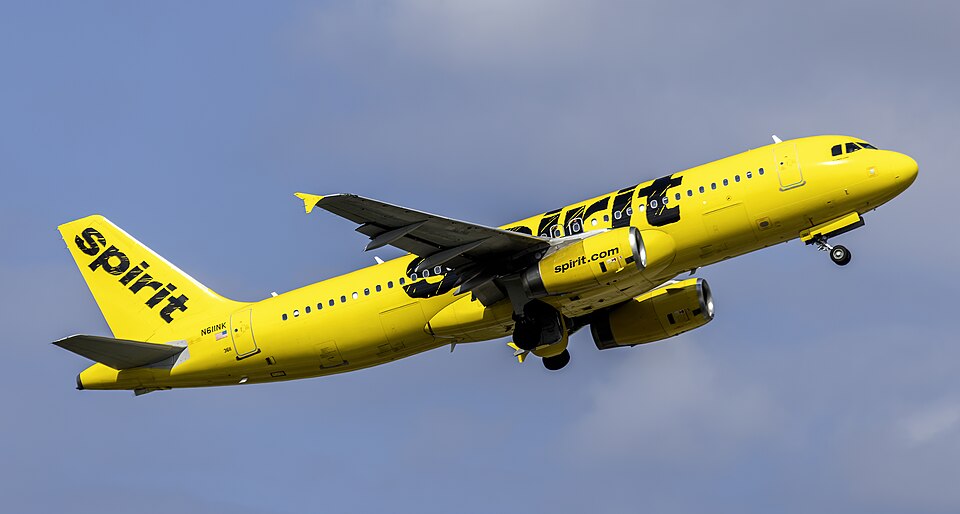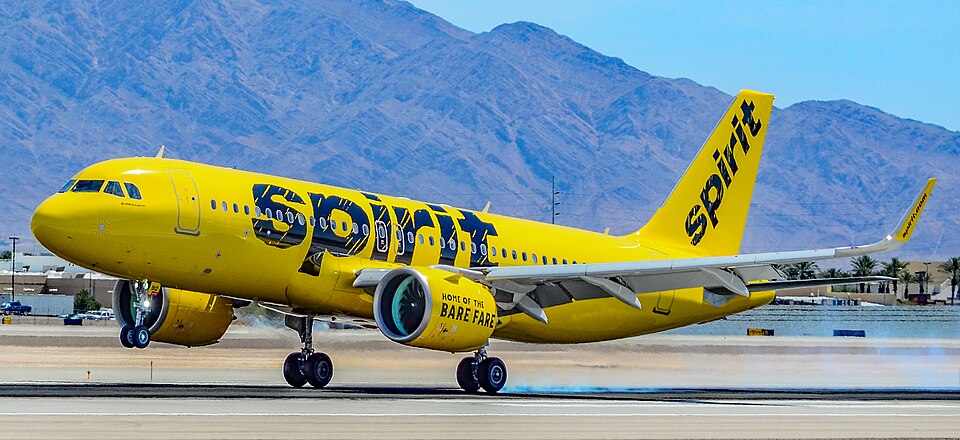
Spirit Airlines ended its operations on Saturday after 34 years in business, grounding its entire fleet and leaving passengers scrambling for alternative flights with no warning beyond an abrupt announcement.
The carrier, which built its business on ultra-low base fares paired with fees for nearly every add-on, had been struggling financially for years. Its collapse marks one of the most abrupt shutdowns in recent U.S. airline history. Flights stopped as of early Saturday morning, according to CNN.
Founded in 1983 and headquartered in Miramar, Florida, Spirit grew into one of the largest budget carriers in the United States. At its peak, the airline operated hundreds of routes across the country, the Caribbean, and Latin America. Its bright yellow aircraft became a familiar sight at major airports, particularly in Florida, Texas, and the Northeast.
The airline had filed for bankruptcy protection in late 2024, becoming the largest U.S. airline to do so in over a decade. It had been attempting to restructure its debt and find a path forward, but those efforts ultimately failed. The company said it is going out of business entirely, not simply suspending service temporarily.
Passengers who had booked future travel with Spirit are now left without a carrier and will need to seek refunds through their credit card companies or travel insurance providers, as the airline itself is unlikely to process claims through normal channels once it has ceased operations. Travelers at airports Saturday morning reported confusion and long lines as gate agents conveyed the news.
The shutdown ripples outward beyond passengers. Spirit employed thousands of workers, including pilots, flight attendants, mechanics, and ground crews. Those jobs disappeared with the announcement. Union representatives had not yet issued statements as of Saturday morning.
Spirit's collapse leaves a gap in the ultra-low-cost carrier market, though competitors like Frontier and Allegiant already serve many of the same routes. Whether those airlines will move quickly to absorb Spirit's former passengers and slot times at key airports remains to be seen.
The airline had tried and failed to merge with Frontier Airlines in 2022, and a subsequent bid by JetBlue Airways to acquire Spirit was blocked by a federal judge on antitrust grounds in early 2024. That blocked merger was widely seen as accelerating the company's financial deterioration, leaving it without a merger partner and saddled with debt it could not service.
No buyer emerged during the bankruptcy process to take on the airline as a going concern. With no deal and no restructuring plan that creditors would accept, the company chose immediate closure over a prolonged wind-down.