Global markets took a hard hit Monday after a fragile ceasefire between the United States and Iran appeared to break down, with the U.S. Navy sinking Iranian boats in the Strait of Hormuz and the United Arab Emirates coming under attack from Iranian drones and missiles.
Stock indices closed sharply lower Monday. Oil prices rose on fears the war could stretch far longer than expected, potentially triggering a global recession. By Tuesday morning in Europe, the pan-European Stoxx 600 was flat, with investors still processing the developments.
President Donald Trump, speaking in a Fox News interview Monday, warned Iran it would be "blown off the face of the earth" if it continued targeting U.S. ships operating in the strait. Those ships, Trump said, are there to protect commercial vessels transiting the waterway. He also posted on Truth Social that a South Korean cargo ship had come under fire from Iran. "Perhaps it's time for South Korea to come and join the mission!" he wrote.
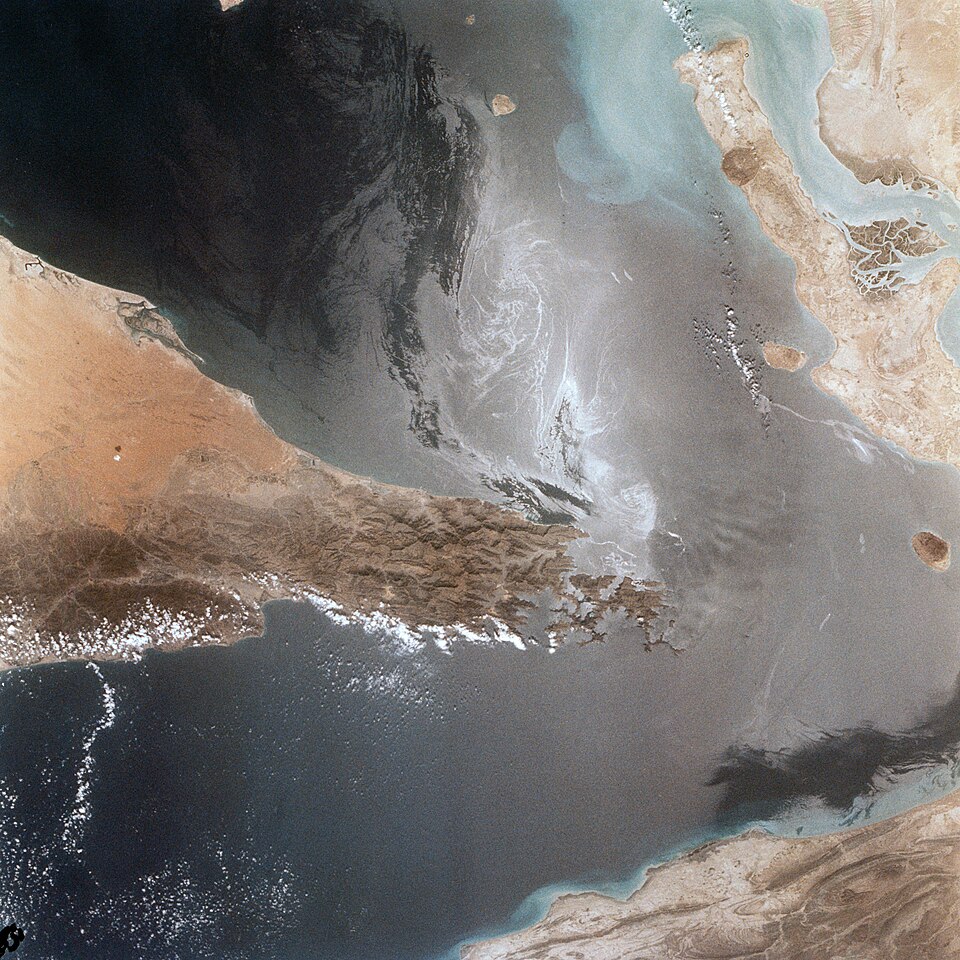
The Strait of Hormuz is one of the world's most critical chokepoints for oil shipments. Any sustained disruption to traffic there could ripple through global energy markets and push inflation higher in countries already contending with economic uncertainty.
Bloomberg reported Tuesday that analysts are reassessing the duration and potential economic damage of the conflict, with ship attacks reigniting broader concerns about U.S.-Iran war risks that markets had previously treated as contained.
Oil prices did pull back overnight after Monday's spike, offering some relief to traders, but analysts and investors remain cautious. CNBC reported that the broader fear is not just a short-term price shock but a scenario in which prolonged conflict leads to a significant slowdown in global GDP.
European defense stocks bucked the broader market decline. German defense contractor Rheinmetall rose 1% Tuesday after reporting first-quarter revenue of 1.94 billion euros, a 7.7% jump year-on-year, though that figure fell short of the 2.3 billion euros analysts had expected. The company said it expects first-half growth this year to follow a similar pattern to last year, when first-half revenue jumped 37%.
The next pressure point for markets will be any further military exchanges in or near the strait, where the U.S. has positioned naval assets to keep shipping lanes open.