For decades, Caribbean coral reefs absorbed punishing blows from disease, pollution and rising water temperatures. They bent but kept growing. In 2023 and 2024, they broke.
A marine heat wave of unprecedented intensity swept across the tropics during those two years, pushing surface temperatures to record highs across more than 80% of the planet's reef areas, according to satellite data from the US National Oceanic and Atmospheric Administration. Across the North Atlantic and Caribbean, the heat lingered for months, delivering heat stress two to three times greater than anything reefs in the region had previously experienced.
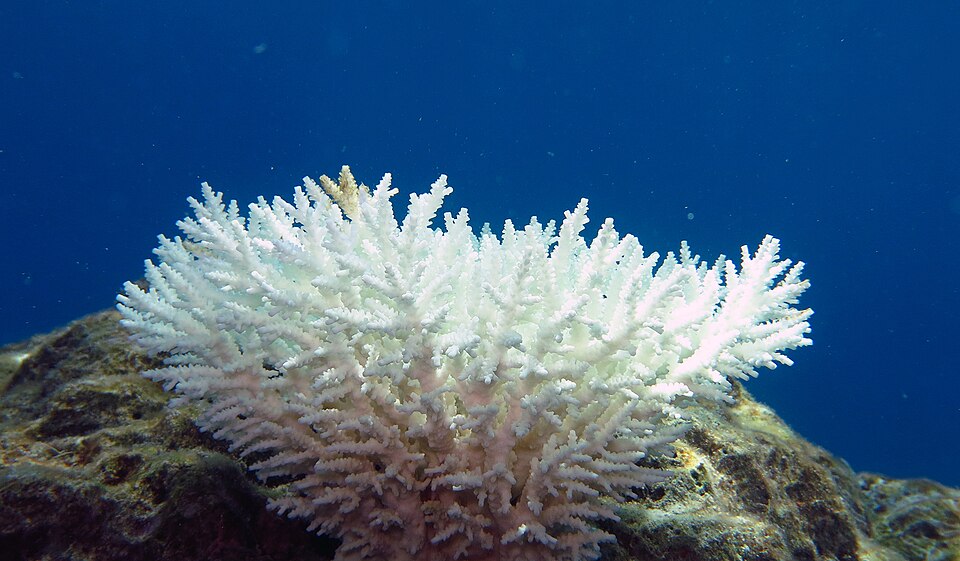
The event triggered what scientists now recognize as the fourth global coral bleaching event on record, and the most severe. Under extreme heat, corals expel the symbiotic algae living in their tissues, the organisms that give reefs their color and supply most of their food. What's left behind is stark white tissue, vulnerable to starvation and disease.
A new study focused on reefs in the Mexican Caribbean and the Gulf of Mexico found that the consequences went further and arrived faster than almost anyone predicted. Researchers compared reef surveys collected between 2018 and 2022 with surveys conducted after the heat wave in 2023 and 2024. At each site, they counted live corals and reef-breaking organisms such as parrotfish and sea urchins, then calculated whether each reef was gaining or losing calcium carbonate, the material that builds reef structure.
The results were stark. Between 70% and 75% of the study sites had flipped from net growth to net erosion. They are now losing reef material faster than corals can replace it.
That threshold, the point at which a reef stops building and starts dissolving, had been projected by earlier models to arrive somewhere in the next decade or more. It has already arrived.
The collapse was driven largely by the loss of fast-growing branching and plate-forming species, especially Acropora corals, which grow quickly and contribute disproportionately to reef construction. Their loss, compounded by stony coral tissue loss disease spreading alongside the heat stress, stripped reefs of their most productive builders right when erosive forces were intensifying.
The stakes extend well beyond ecology. Coral reefs feed hundreds of millions of people through small-scale fisheries, underpin tourism economies across the Caribbean, and function as natural breakwaters that buffer coastlines from storm surge and flooding. A reef that is shrinking rather than growing provides less of all of those things.
The researchers note that the sites they studied represent a cross-section of Caribbean reef health, and that the speed of the shift was one of the most unsettling findings of the work. The tipping point scientists had mapped out as a future concern is now a present condition.