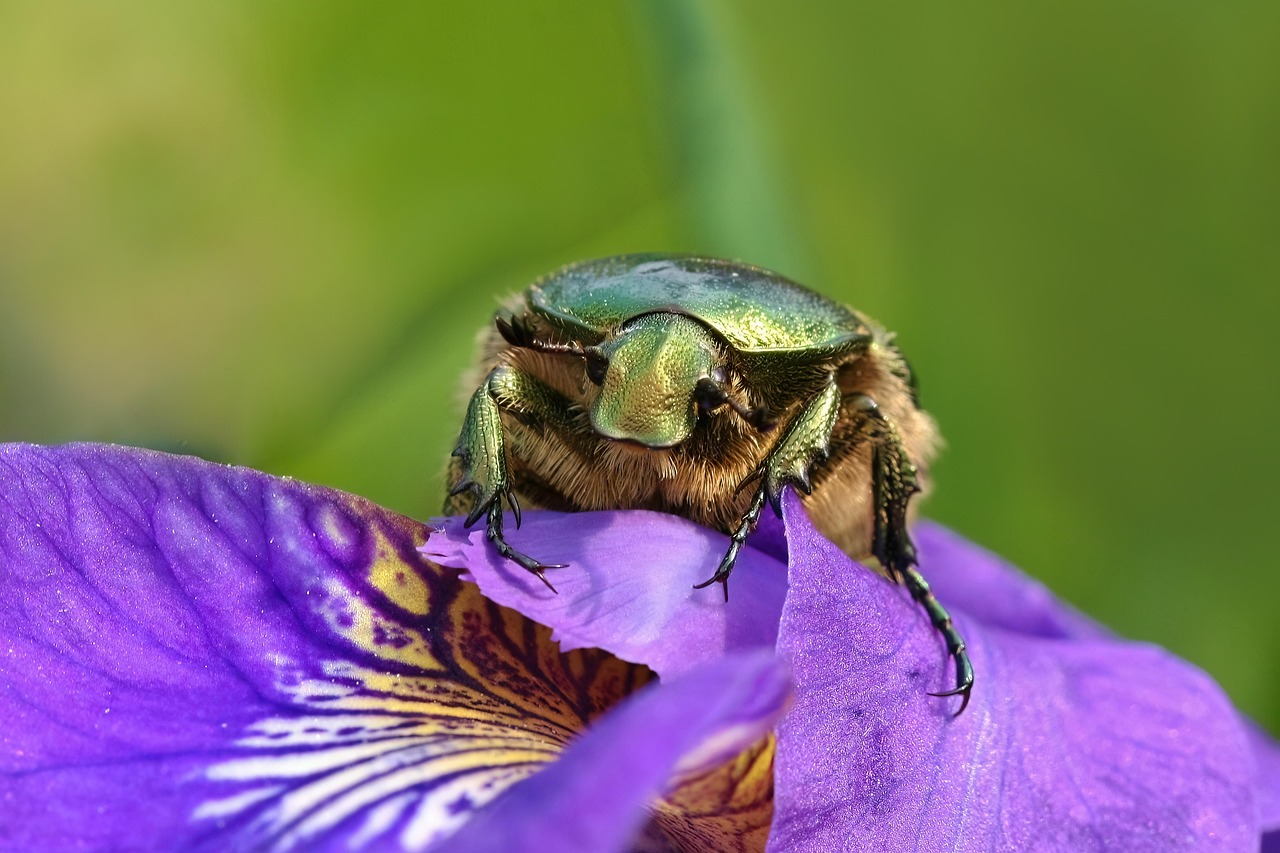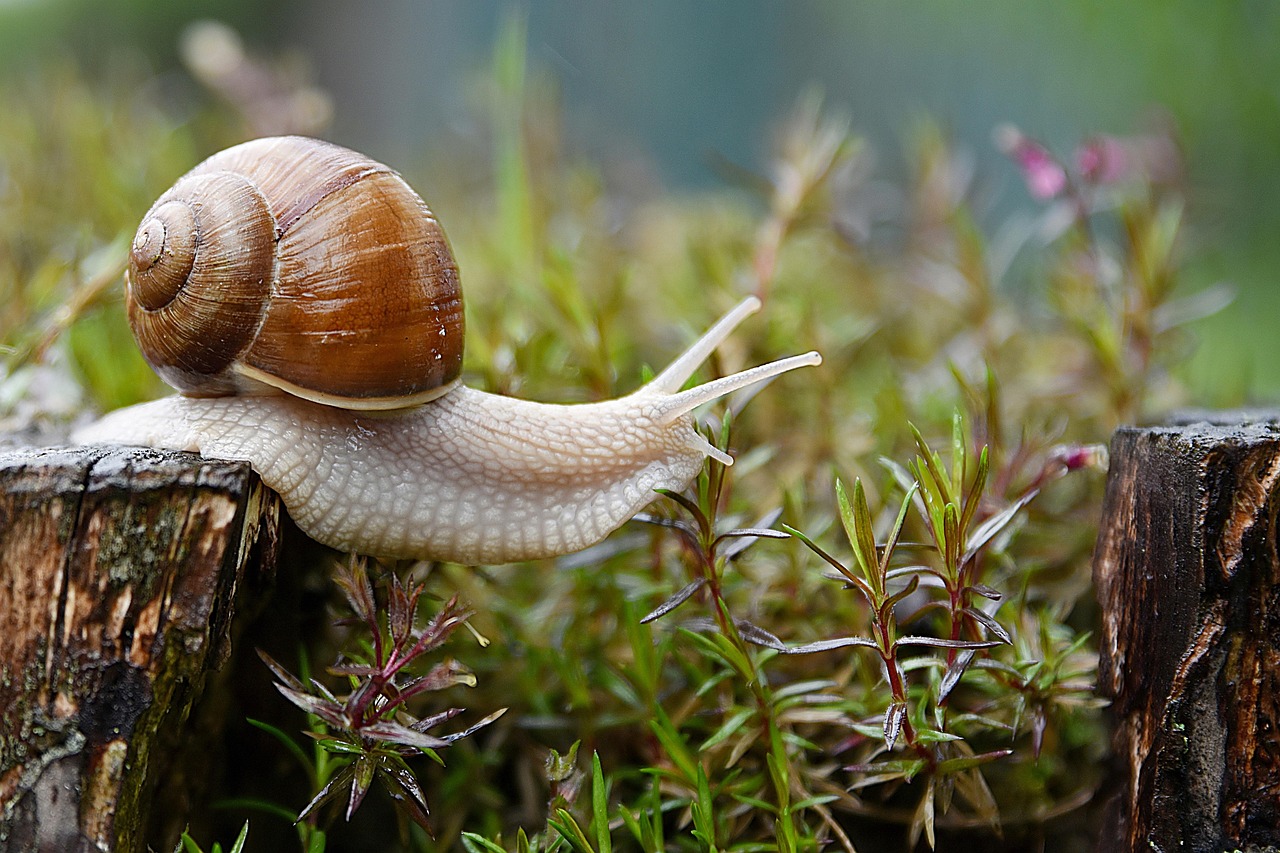
A freshwater crab in Japan can swallow more than a thousand tiny seeds in a single night. It then carries those seeds into underground burrows, where humidity protects them from rodents and drying out. That finding is one of dozens compiled in a new scientific review that argues small ground-dwelling invertebrates play a far larger role in spreading plant seeds than researchers have recognized.
According to Phys.org, the review was led by Professor Si-Chong Chen from the School of Biological Sciences at the University of Hong Kong and published in the journal Trends in Plant Science. The team synthesized data from 43 peer-reviewed publications and documented internal seed dispersal by at least 51 invertebrate species across 186 plant types. Records came from Oceania, Asia, Europe and North America.
The process the review examines is called invertebrate endozoochory. It refers to seeds that are consumed by an animal, pass through its digestive tract intact, and remain capable of germinating after being deposited in the animal's waste. Scientists have studied this process extensively in birds and mammals, which can carry seeds over long distances. The HKU review focuses on a much smaller group of animals: slugs, earthworms, beetles, crickets and crabs.
"If you walk through a forest, you might think only birds or monkeys are spreading seeds. But beneath our feet, a hidden group of gardeners is also at work," said Professor Kenji Suetsugu, a key collaborator and co-author. "One of the most fascinating examples we synthesized is a freshwater crab in Japan. A single crab can ingest over a thousand tiny seeds in a single night and later deposit them inside underground burrows. These humid burrows can protect the seeds from being eaten by rodents or drying out, giving them a better chance to grow."
The review does not simply catalog isolated observations. The authors argue that invertebrate seed dispersal is a widespread and consistent ecological interaction, not a collection of coincidences. To support that argument, they identify a set of plant characteristics that appear to be adaptations specifically suited to invertebrate dispersers rather than birds or mammals.
Plants dispersed by invertebrates, according to the review, tend to produce small, resilient seeds enclosed in dull-colored, inconspicuous fruits positioned at or near ground level. These traits are the opposite of what plants use to attract birds, which are typically drawn to bright colors and elevated fruits. The review formalizes this pattern under the name invertebrate endozoochory syndrome, describing it as a convergent set of traits that evolved independently in multiple plant lineages.
Chen collaborated with researchers from the Chinese Academy of Sciences, Durham University in the United Kingdom, and Kobe University in Japan.
The conservation implications of the findings are directed primarily at degraded and fragmented ecosystems. In forests where large animals such as primates and birds have declined or disappeared due to hunting or habitat loss, invertebrate dispersers may represent one of the remaining functional pathways for seed movement. The review suggests that losing invertebrate populations in such environments could have significant consequences for plant regeneration that have not yet been fully assessed.
Invertebrates are themselves under pressure in many forest systems. Pesticide use, habitat loss, and soil degradation all affect ground-dwelling species. The review does not quantify how much seed dispersal is currently being carried out by invertebrates relative to birds and mammals, but it argues that the contribution has been systematically underestimated because researchers have rarely looked for it.
Chen's team is calling for more field studies specifically designed to track seed fate after invertebrate consumption, including germination rates and seedling survival in natural conditions.