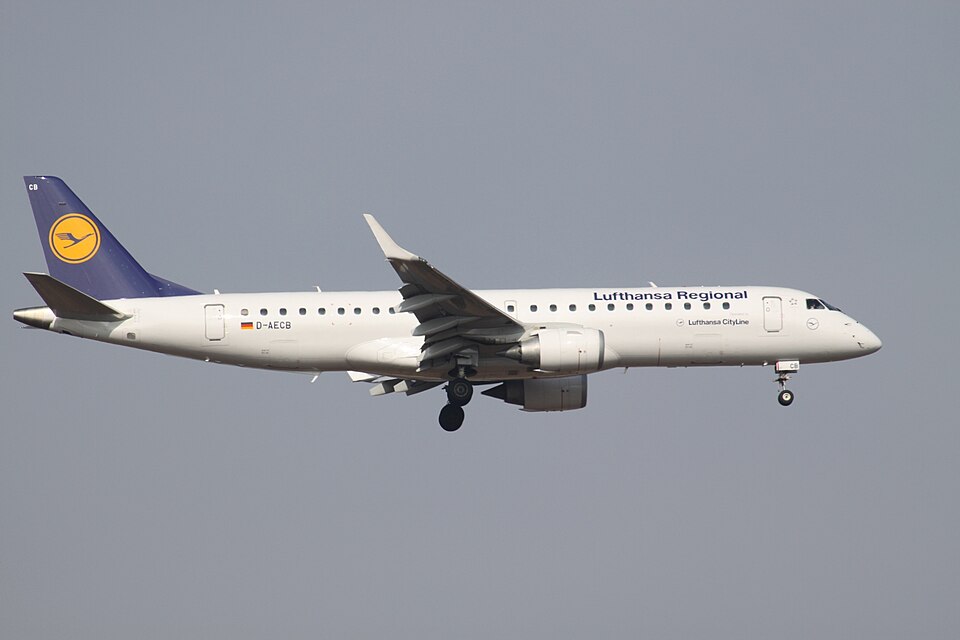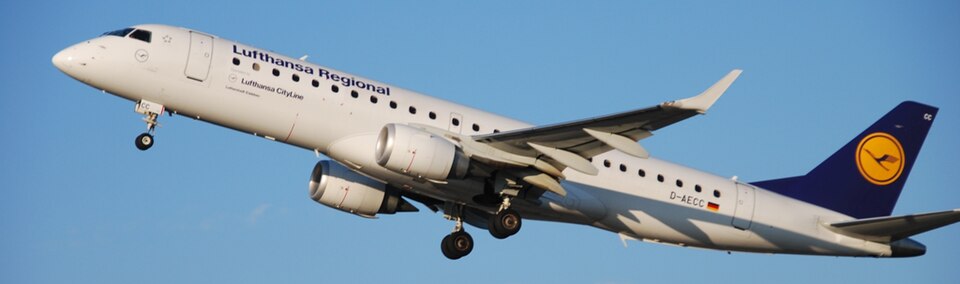
Europe's aviation sector is taking a battering from the ongoing blockade of the Strait of Hormuz, with Lufthansa warning Wednesday that it expects 1.7 billion euros — nearly $2 billion — in additional fuel costs this year alone.
The German carrier published its first-quarter earnings the same day President Trump announced a temporary pause of "Project Freedom," a U.S. naval operation launched just one day earlier to escort commercial vessels through the strait. Trump cited progress in negotiations with Iran, and the news briefly dragged oil prices lower. Brent crude slid nearly 2% to $107.77 per barrel, while West Texas Intermediate dropped 2% to $100.10.
Even so, the damage already done to fuel markets is severe. Jet fuel prices had surged 103% by the end of March compared to the month prior, according to the International Air Transport Association. Middle East refineries supply roughly 75% of Europe's jet fuel. The International Energy Agency has warned the continent is weeks away from running out, with IEA chief Fatih Birol noting that Europe is scrambling to source additional imports from the United States and Nigeria.
"The rest is coming from some big Asian countries that have now export restrictions, and Europe is now trying to get it from the U.S. and Nigeria," Birol said. "If we are not able to get in Europe additional imports from the countries now, we will be in difficulties."
Lufthansa said it has hedged 80% of its jet fuel for the year and plans to offset the remaining exposure through cost-cutting and higher ticket revenue. The airline has already cut 20,000 short-haul flights to save 40,000 metric tons of fuel and eliminate routes it considers unprofitable. First-quarter revenue rose 8% to 8.7 billion euros, though net income fell to 665 million euros from 885 million euros a year earlier. The adjusted operating loss for the quarter came in at 612 million euros.
CEO Carsten Spohr acknowledged the improvement from a year ago but was blunt about what lies ahead. "The ongoing crisis in the Middle East, combined with rising fuel costs and operational constraints, poses enormous challenges for the world as a whole, for global air travel, and for our company as well," he said. "However, we are resilient in our ability to absorb these impacts."
Budget carrier EasyJet is in a more exposed position. The British airline reported £25 million in additional fuel costs in March and posted a headline pre-tax loss of between £540 million and £560 million for the six months ending March 31. EasyJet has hedged 70% of its summer fuel, leaving 30% vulnerable to further price swings. The airline also noted that customers are booking later, with forward demand weaker than at the same point last year.
The timing is particularly punishing. The IEA has flagged that as peak summer travel season approaches, jet fuel demand will run 40% higher than in March. With the Hormuz pause not yet a confirmed reopening — and analysts warning that even a deal would take "weeks and weeks" to normalize shipping flows — European carriers are heading into their busiest months with no guarantee of relief.
The Trump administration said roughly 23,000 seafarers across vessels from 87 countries have been stranded in the Persian Gulf since Iran effectively shut the strait. Azimut Group's co-head of fixed income, Nicolo Bocchin, warned that surging energy costs are already causing demand destruction globally, and that supply chains would not snap back quickly even if the waterway reopens soon.