American forces launched strikes on two Iranian ports Thursday after three Navy destroyers came under missile and drone fire in the Strait of Hormuz, according to U.S. officials, in the most direct military exchange of the ongoing conflict between the two countries.
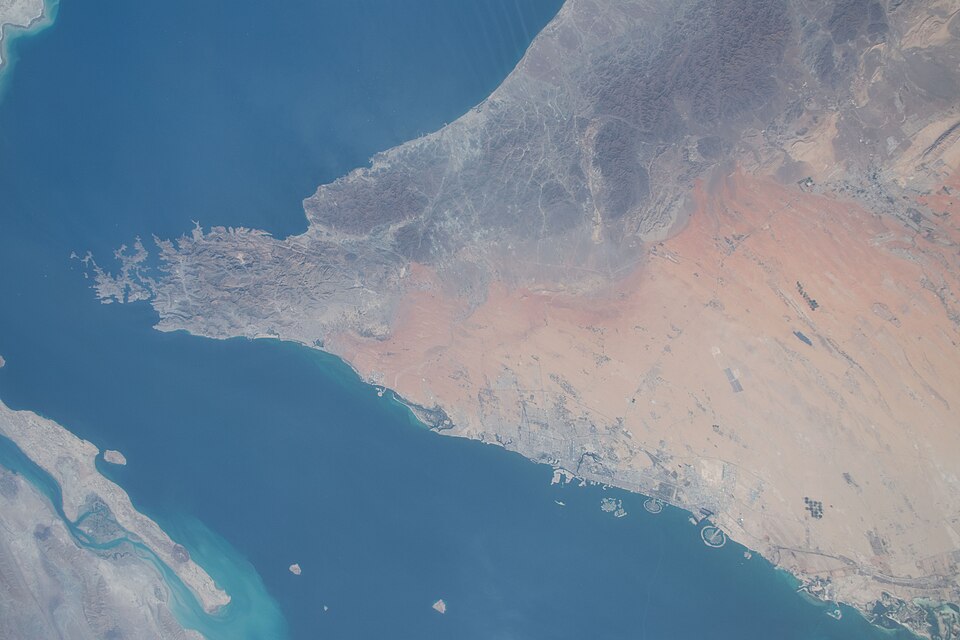
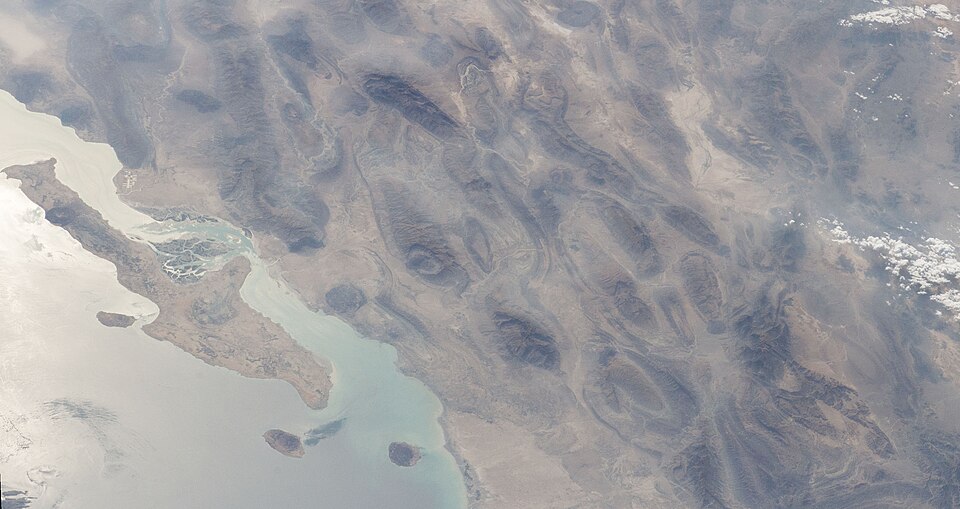
U.S. Central Command said American forces "responded with self-defense strikes" on Iranian targets. The targeted ports, Bandar Abbas and Qeshm, sit along the edge of the strait, one of the world's most critical shipping lanes. Multiple U.S. officials confirmed the targets to CBS News. None of the three destroyers were struck.
President Trump said Thursday that the war was going "unbelievably well" and would be "over quickly," while also warning that Iran's rejection of a U.S. peace proposal could trigger "higher level" military strikes. Despite the exchange of fire, Trump said the ceasefire between the two countries remained in place.
The United Arab Emirates said separately that its air defenses were intercepting drone and missile fire, adding a second front to the instability rippling across the Persian Gulf region. The UAE announcement, reported by the Associated Press, came as Iran moved to assert authority over the strait itself. Tehran announced a new agency it created is now in charge of clearing vessels for transit, and shipping intelligence firm Lloyd's List reported the strait as closed.
Iran said it was reviewing the latest U.S. proposal to end the war even as the military confrontation escalated. The diplomatic and military tracks are running simultaneously, with unclear results on either front.
The economic consequences of the conflict are significant. The price of Brent crude oil hovered around $100 a barrel Thursday. That is down from $126 the previous week but still roughly 43 percent above the approximately $70 per barrel price before the war began on March 2.
Iraq's oil ministry denied U.S. sanctions accusations against its deputy oil minister, Ali Maarij al-Bahadli, who the State Department accused Thursday of diverting Iraqi oil to support Iran and help it evade sanctions. The ministry said crude oil export operations were not part of Bahadli's responsibilities and stressed it was prepared to investigate the matter but demanded accusations be addressed "on the basis of evidence and facts."
In Lebanon, an Israeli strike on south Lebanon killed a member of Lebanon's civil defense, the rescue organization said Friday, a day after another strike killed a rescuer affiliated with a Hezbollah-linked organization. The World Health Organization said it had verified 152 attacks on healthcare in Lebanon since March 2, resulting in 103 deaths and 241 injuries.