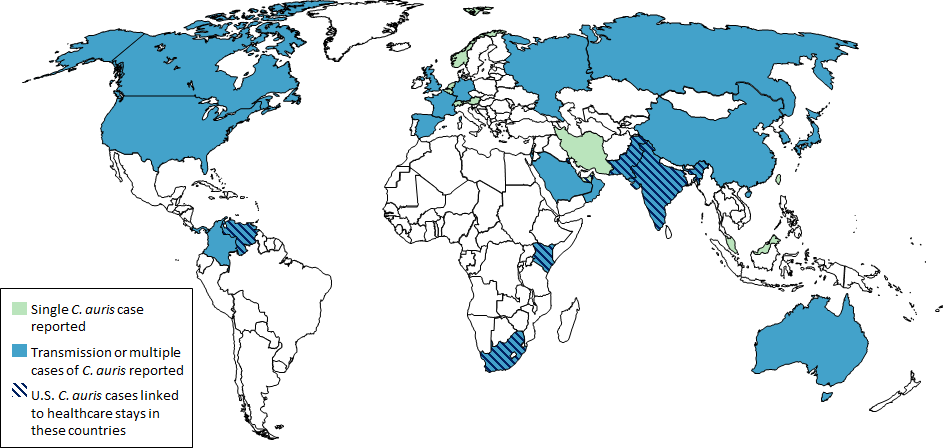
A potentially deadly fungus has now been detected in 27 states, with more than 3,400 cases recorded so far this year, according to data from the Centers for Disease Control and Prevention.
As of the week ending July 25, there have been 3,437 cases of Candida auris identified nationwide. That figure is roughly 1,000 fewer than the 4,290 cases detected at the same point last year. California has recorded the most cases with 873, followed by Texas with 433 and Tennessee with 283. According to ABC News, the CDC says the rate of C. auris cases continues to rise each year, but the rate of increase has slowed since 2022.
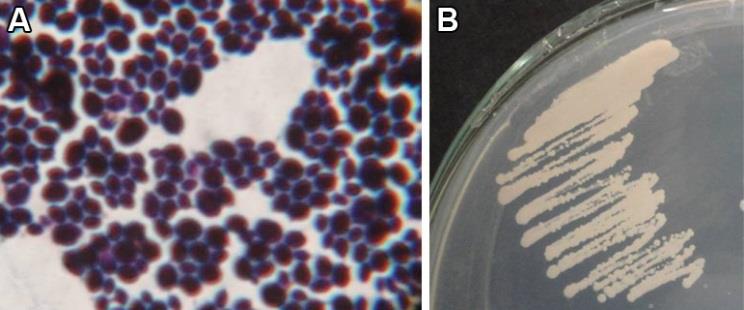
C. auris is a type of yeast that can cause severe illness and spreads easily among those who are very ill in healthcare facilities. It can cause a wide range of infections, from skin infections to more severe, life-threatening infections such as bloodstream infections. The fungus can live on surfaces and objects such as doorknobs and bedrails for a long time and spread to patients. Both infected patients and those who carry the fungus without symptoms can spread it.
Most healthy people do not need to worry about C. auris infections. Those most at risk include people with weakened immune systems, nursing home patients, and hospital patients who have or have had lines and tubes in their body, such as a catheter or a breathing tube.
Drug resistance is a significant concern. A CDC analysis of 8,033 C. auris samples collected in 2022 and 2023 found that more than 95% were resistant to fluconazole, a first-line antifungal treatment. Fifteen percent were resistant to amphotericin B, and 1% were resistant to echinocandins. Fewer than 1% were resistant to all three drug classes. Most infections can be treated with echinocandins, according to the CDC.
The mortality rate of C. auris is estimated to be between 30% and 60%, though studies are limited. Because most patients who contract the fungus were already ill, the CDC notes that when patients with C. auris die, it is hard to know how much the fungus contributed to their death compared to other pre-existing illnesses.
C. auris was first discovered in 1996 by Korean researchers and was formally identified in Japan in 2009 as a new species.