Scientists studying three very different animals have found a shared set of genes that controls limb regeneration, a discovery that researchers at Wake Forest University say could one day point toward therapies allowing humans to regrow lost limbs. The findings were published in the Proceedings of the National Academy of Sciences on May 9.
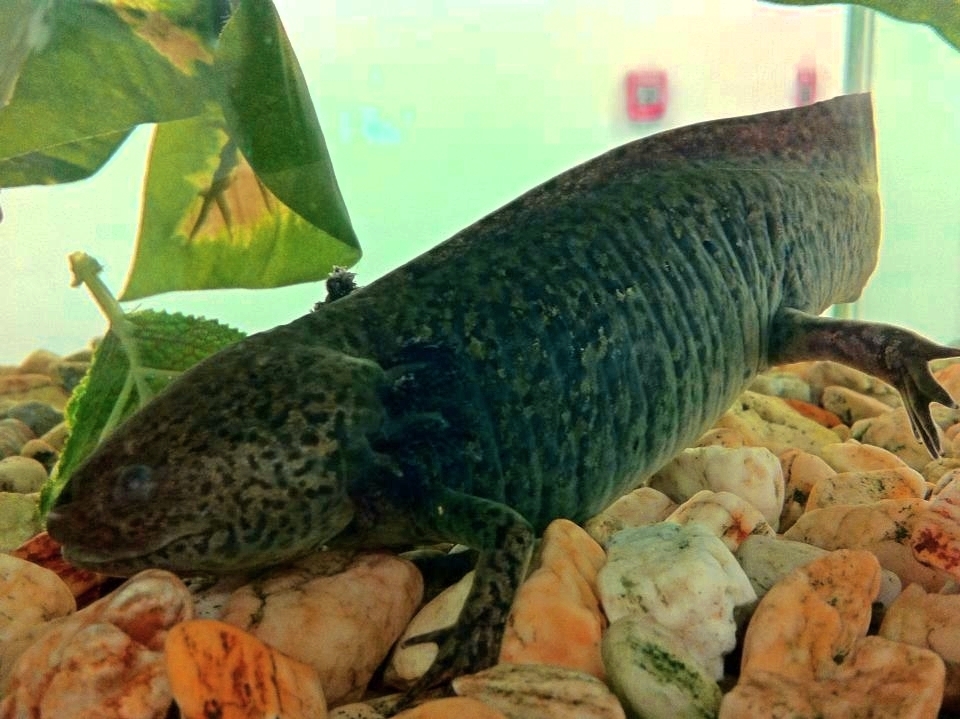
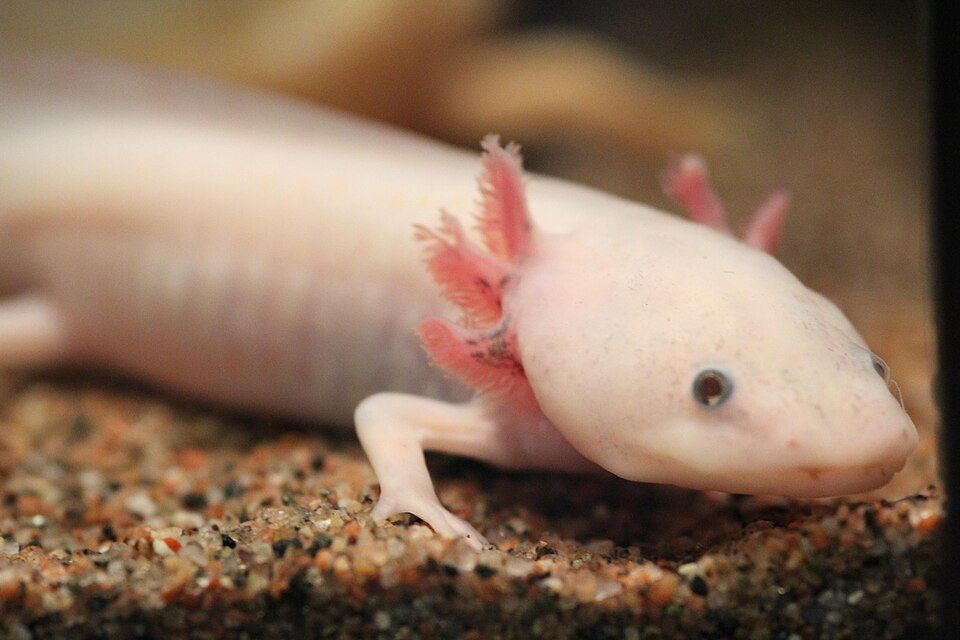
The study brought together three research teams working with three organisms: the Mexican axolotl salamander, zebrafish, and mice. Each animal offers a different window into how regeneration works. Axolotls can regrow entire limbs, tails, spinal cord tissue, and parts of organs including the heart, brain, lungs, liver, and jaw. Zebrafish can repeatedly regrow damaged tail fins and repair the heart, brain, spinal cord, kidneys, retinas, and pancreas. Mice are mammals, like humans, and can regenerate the tips of their digits.
"This significant research brought together three labs, working across three organisms to compare regeneration," said Wake Forest Assistant Professor of Biology Josh Currie, whose lab studies the axolotl. "It showed us that there are universal, unifying genetic programs that are driving regeneration in very different types of organisms, salamanders, zebrafish and mice."
The genes at the center of the study are called SP genes. When researchers disabled these genes in salamanders and mice, proper bone regrowth stopped. That finding helped confirm that SP genes are not incidental to regeneration but central to it. The team then developed a gene therapy inspired by zebrafish biology and applied it to mice, partially restoring their ability to regenerate. That result, in a mammal, is what makes the study stand out from earlier regeneration research.
The other principal researchers were David A. Brown, a plastic surgeon at Duke University who studies digit regeneration in mice, and Kenneth D. Poss of the University of Wisconsin-Madison, whose work focuses on fin regeneration in zebrafish. The collaboration across three institutions and three organisms was itself unusual, and Currie said it was what made the discovery possible.
The stakes are significant. According to Global Burden of Disease statistics cited in the study, more than 1 million amputations occur worldwide every year. The causes include diabetes-related vascular disease, traumatic injuries, infections, and cancer. Researchers expect that number to rise as populations age and diabetes rates climb.
Current treatment for most amputees relies on prosthetic limbs, which can restore some function but cannot replicate natural movement, sensation, or tissue. The goal of regenerative medicine is to replace damaged limbs with living tissue. This study does not offer a clinical treatment, but scientists say identifying the SP genes and demonstrating partial restoration of regeneration in a mammal represents a meaningful step in that direction.
Further research will be needed to determine whether the same gene therapy approach can work more completely in mice, and eventually whether anything similar might be tested in humans. For now, the axolotl, a small aquatic salamander native to Mexico, remains the clearest natural model of what human medicine is ultimately trying to replicate.