A set of genes shared across salamanders, fish, and mice may hold the key to regrowing human limbs, according to research published May 9, 2026, in the Proceedings of the National Academy of Sciences. Scientists from Wake Forest University, Duke University, and the University of Wisconsin-Madison worked across three separate labs and three different animal species to identify what they are calling SP genes, a group of genes that appear to drive tissue regeneration in very different kinds of creatures.
"This significant research brought together three labs, working across three organisms to compare regeneration," said Wake Forest Assistant Professor of Biology Josh Currie, whose lab focuses on the Mexican axolotl salamander. "It showed us that there are universal, unifying genetic programs that are driving regeneration in very different types of organisms, salamanders, zebrafish and mice."
The scope of the problem the research is trying to address is large. More than 1 million amputations occur every year around the world, driven by diabetes-related vascular disease, traumatic injuries, infections, and cancer, according to Global Burden of Disease statistics. Researchers expect that number to grow as populations age and rates of diabetes increase. For decades, scientists have worked to find treatments that could restore natural movement, sensation, and function rather than replace a limb with a prosthetic.
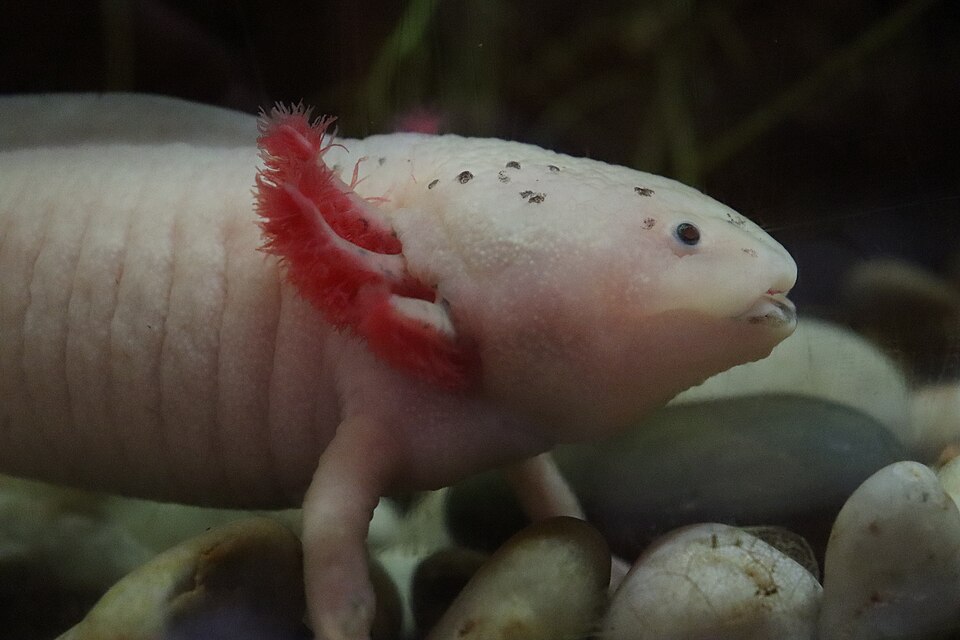
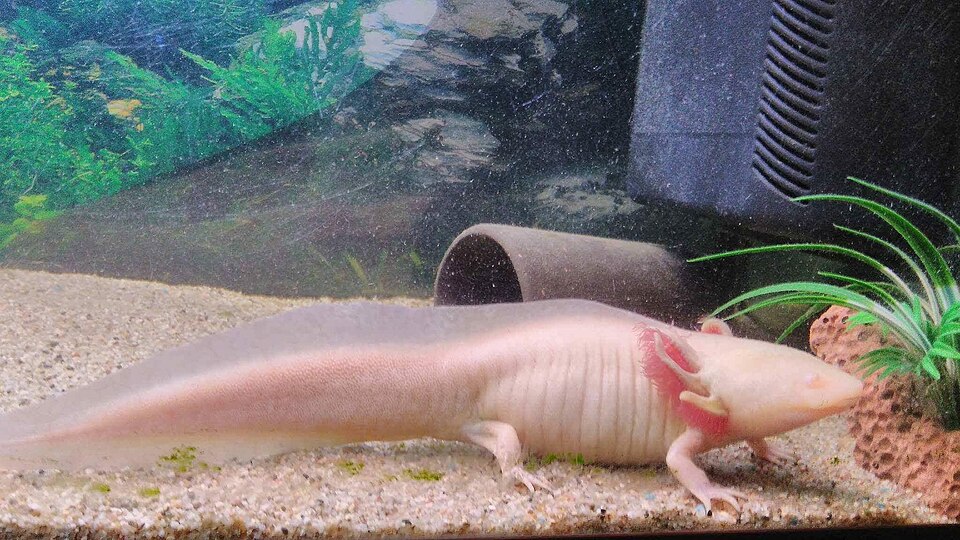
The team chose their three animal subjects carefully. Axolotls, the Mexican salamanders, are capable of regrowing entire limbs, tails, spinal cord tissue, and parts of organs including the heart, brain, lungs, liver, and jaw. Zebrafish can repeatedly regrow damaged tail fins and are also capable of repairing the heart, brain, spinal cord, kidneys, retinas, and pancreas. Mice were included because, like humans, they are mammals. Mice can regenerate the tips of their digits, and in some cases humans can regrow fingertips under the right conditions.
The researchers found that when SP genes were disabled in axolotls and mice, proper bone regrowth stopped. That finding confirmed the genes play a direct functional role in the regeneration process rather than simply being present during it. The team then took the next step: using a gene therapy approach inspired by zebrafish biology, they were able to partially restore regeneration in mice. That result, while not full limb regrowth, marked a significant advance in the field.
The project brought together Currie's axolotl research, Duke University plastic surgeon David A. Brown's work on digit regeneration in mice, and the zebrafish fin regeneration research of Kenneth D. Poss at the University of Wisconsin-Madison. The collaboration across institutions and species was central to the discovery, allowing researchers to identify genetic patterns that would not have been visible by studying a single organism.
Regenerative medicine has long operated on the assumption that the biology driving regrowth in animals like axolotls is too distant from human biology to translate directly. This study challenges that assumption by showing that the genetic machinery behind regeneration is at least partially shared across species separated by millions of years of evolution. Whether those shared programs can be activated in human tissue remains an open question, but the partial success in mice gives researchers a concrete target for future work. The next stage of research is expected to focus on expanding the gene therapy approach and testing whether more complete bone and tissue regrowth can be achieved in mammalian models.