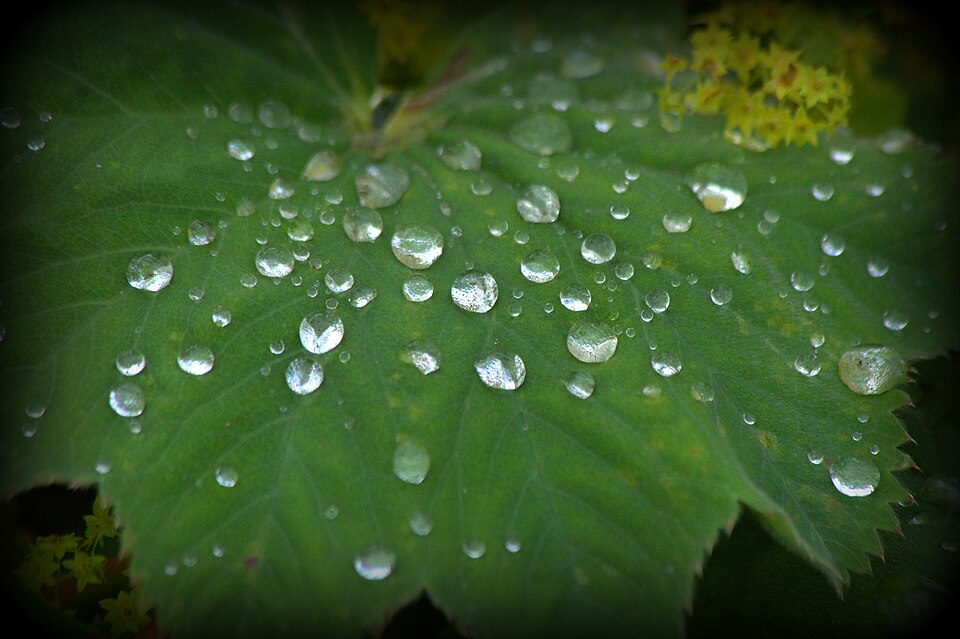
Plants may be doing something far more sophisticated than simply soaking up rainwater. According to a report by Technology Org, a new study has found that plants can actually sense the sound of rain, a discovery that could reshape how scientists understand plant perception and behavior.
The finding suggests that plants are not passive receivers of water and sunlight. Instead, they appear capable of detecting acoustic signals, specifically the vibrations produced when raindrops strike their leaves or the soil around them. This means that before water is even absorbed through the roots, a plant may already be receiving a kind of early warning that rain is arriving.
Researchers have known for some time that plants respond to physical touch and mechanical stress. When wind bends a stem or an insect lands on a leaf, plants can trigger biological responses, sometimes producing defensive chemicals or adjusting their growth patterns. The new study builds on that understanding but pushes it further, into the realm of sound itself.
The distinction matters because sound travels faster than water. If a plant can detect the acoustic signature of rainfall before moisture reaches the root zone, it would have time to prepare physiologically. That kind of advance response could influence how efficiently a plant takes up water, how it manages its stomata, the tiny pores on leaves that regulate gas exchange, or how it activates other biological processes tied to hydration.
The research adds to a growing body of work in a field sometimes called plant bioacoustics, which examines how plants produce, detect, and respond to sound waves. Earlier studies have shown that plants can respond to the sounds of herbivores chewing nearby, triggering chemical defenses in anticipation of being eaten. The rain study suggests the range of sounds that plants can meaningfully detect may be broader than previously thought.
What remains less clear is the precise mechanism by which plants pick up these acoustic signals. Plants do not have ears or any dedicated sensory organ for sound in the way animals do. Scientists believe the vibrations from sound waves may be detected through mechanosensitive cells, which respond to physical deformation at the cellular level. When sound waves cause tiny movements in plant tissue, those cells may translate the vibration into a biological signal.
The study does not settle every question about how widespread or consistent this ability is across different plant species. It also does not fully explain the chain of molecular events that follow when a plant detects the sound of rain. Those questions are likely to drive future research in the field.
What the study does establish is that the line between sensing and not sensing, long assumed to separate plants from more complex organisms, is less fixed than it once appeared. Plants, rooted and unable to move, have developed a surprising array of ways to gather information about their surroundings. Sound, it turns out, may be one of them.