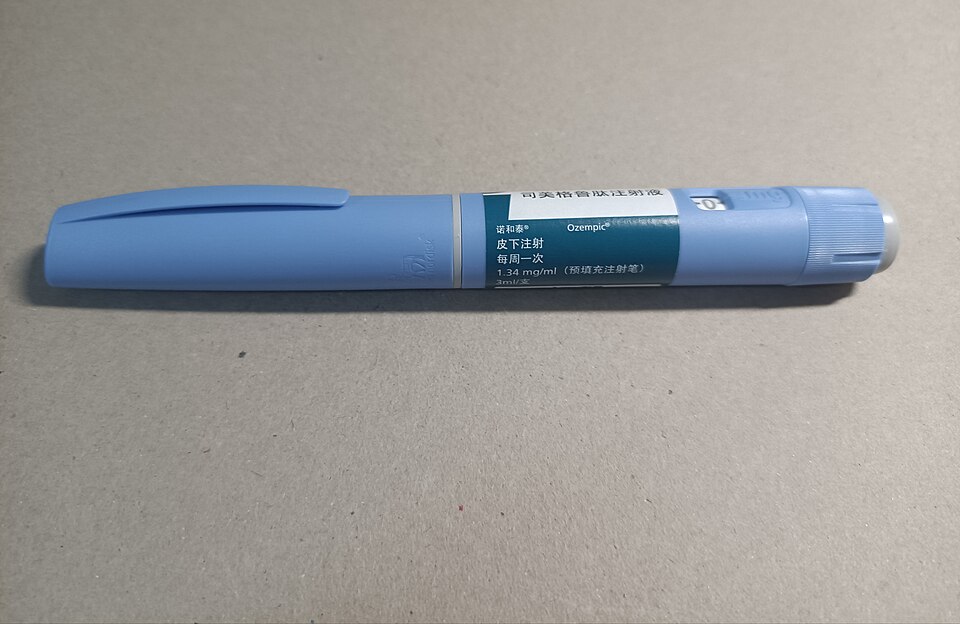
A meta-analysis of 32 phase 3 clinical trials found that GLP-1 medications, including Ozempic, Wegovy, and Mounjaro, can significantly reduce blood pressure in adults with overweight or obesity. The study was presented at the European Congress on Obesity in Istanbul, Turkey, which ran from May 12 through 15, and has not yet been published in a peer-reviewed journal.
The analysis included 43,618 adults with an average age of 54 and an average body mass index of 35.5. About half of participants were female, 9.2% had type 2 diabetes, and roughly 59% were living with high blood pressure. The average treatment period across the trials was 66 weeks.
According to Healthline, after placebo adjustments were applied, participants lost an average of 10.9% of their body weight. That weight loss was accompanied by a 5.2 mmHg reduction in systolic blood pressure. The researchers found that 77% of the variance in blood pressure reduction could be explained by weight loss tied to GLP-1 drugs and multi-hormone receptor modulators, corresponding to a 0.34 mmHg drop in systolic blood pressure for every 1% of weight lost.
The lead researcher on the study, Marcel Muskiet, MD, PhD, an internist, endocrinologist, and vascular medicine specialist at Leiden University Medical Center in the Netherlands, said the findings have implications beyond just weight management. "Given that obesity and hypertension frequently coexist and together substantially increase cardiovascular and kidney risk, these findings support obesity treatment as an important component of blood pressure management and cardiovascular risk reduction," Muskiet said.
Muskiet also noted that weight loss alone does not appear to fully explain the blood pressure improvements seen in participants. "Our analyses suggest that the blood pressure benefits of GLP-1-based therapies are not exclusively driven by weight loss. While weight reduction appears to be the dominant mechanism, these agents may also exert direct renal, vascular, and neurohormonal effects that contribute independently to blood pressure lowering," he said.
The findings add to a broader body of evidence suggesting that GLP-1 drugs carry health benefits that extend beyond their original use in managing blood sugar in type 2 diabetes and, more recently, in treating obesity. Obesity and high blood pressure are closely linked conditions, with obesity playing a significant role in the development and worsening of hypertension.
The study was not without outside commentary. Mir Ali, MD, a bariatric surgeon and medical director of MemorialCare Surgical, said the results aligned with what practitioners in his field have observed. "These findings showed an improvement in hypertension in direct correlation to the amount of weight loss," Ali said.
Because the study has not yet cleared peer review, its findings should be considered preliminary. Researchers did not report significant adverse events related to blood pressure reduction in the summary presented at the congress.