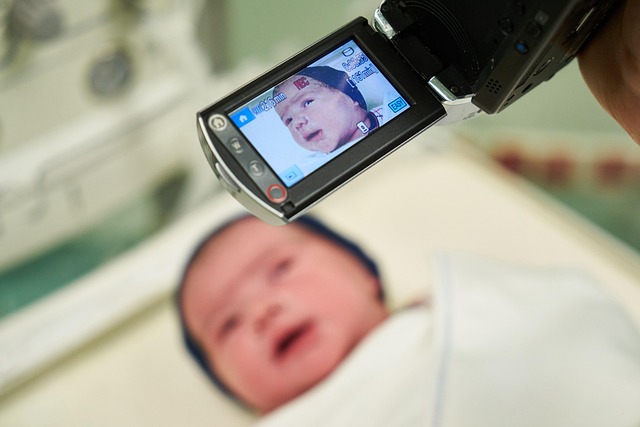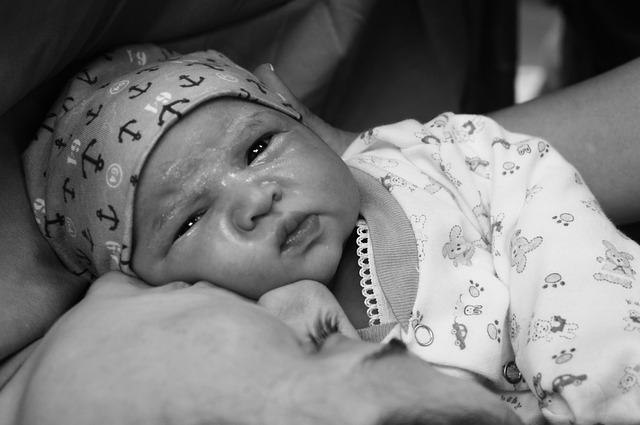
Mental health experts are drawing attention to a largely overlooked issue: new fathers experience significant mental health struggles after the birth of a child, and many go without recognition or treatment. Reports from KHOU and WBOC TV both highlighted the problem, with experts noting that paternal postpartum depression remains underdiagnosed compared to the maternal version, which has received far more public and clinical attention over the years.
The transition to fatherhood brings sleep deprivation, financial pressure, relationship changes, and a shift in identity that can combine to create serious emotional strain. Experts point out that societal expectations around masculinity often discourage new fathers from acknowledging or discussing these feelings, making it less likely they will seek help.
Paternal postpartum depression can affect not only the father but also the wellbeing of the mother and the development of the newborn. Research has shown that depression in fathers during the postpartum period is associated with reduced engagement with the infant and a higher likelihood of behavioral problems in children as they grow.
Health professionals interviewed in both reports encouraged new fathers to talk openly with their doctors and partners about emotional changes following the birth of a child. Screening for paternal depression is not yet routine in most clinical settings, which experts say contributes to cases going undetected.
The coverage comes as awareness campaigns and mental health advocates push for expanded postpartum care that explicitly includes fathers. Both reports noted that treatment options, including therapy and medication, are effective when fathers do reach out for help.