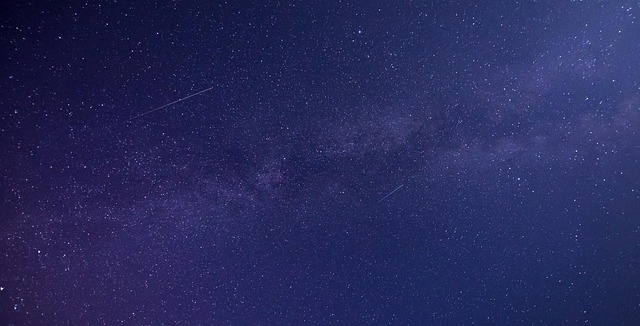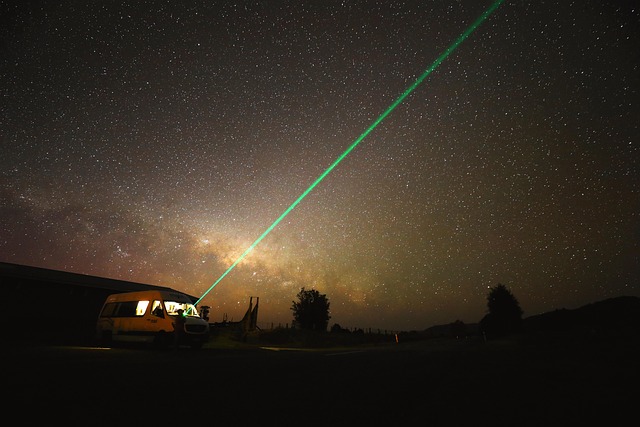
For tens of thousands of years, Indigenous Australians read the night sky as a calendar, a map, a weather forecast, and a guide to when and where to hunt and gather. Now, according to a report by Phys.org, that knowledge system is at risk as artificial light increasingly obscures the stars over Australian towns and cities.
The warning comes from a Yorta Yorta and Barapa Barapa man who is both an Indigenous astronomer and a trainee ecologist. The night sky, as he describes it, is a living classroom where Indigenous Elders share knowledge with younger generations outdoors, on Country, beneath the stars. Light pollution is cutting off access to that classroom.
Among the constellation systems at risk is the Wangel, or long-necked turtle constellation, based on the bright orange star Pollux. Various Indigenous communities used this constellation to know when it was time to travel and gather for ceremonies, a connection thought to stem from the star's orange color matching the turtle's coloring. Another is the Djurt, or red-rumped parrot constellation, based on Antares, which appears bright red with a blue halo. Communities used it to locate grasslands full of seeds when food was abundant.
These constellations also carry lore governing sustainable practices. When the Otchocut, or Murray cod constellation, appears in the night sky, communities do not hunt Murray cod. The constellation becomes visible when rivers are warm and fish are breeding, typically between October and November. When the red-rumped parrot constellation appears, that species is breeding and cannot be hunted.
The stars also carry weather information for those trained to read them. A star that twinkles and appears bright blue is said to signal a coming storm, while a cluster of stars twinkling quickly may mean wind will strengthen.
Connected to this astronomical knowledge are songlines, sometimes called dreaming tracks, which are cultural pathways linking traditional sites across the landscape. The stars effectively serve as navigation points along these routes, indicating where waterholes and food sources are located.
One of the most widely known examples is the Seven Sisters dreamtime story, which follows seven sisters on a journey that ends with them becoming part of the Taurus constellation. For some Indigenous communities in central Australia, the seven stars roughly mirror the positions of seven waterholes, giving the constellation a practical geographic function.
The concern is that as artificial light spreads into more communities, younger generations lose both the visibility of and access to the knowledge tied to those stars. The learning traditionally happens outside, at night, in the presence of Elders and the actual sky. That setting is becoming harder to find.