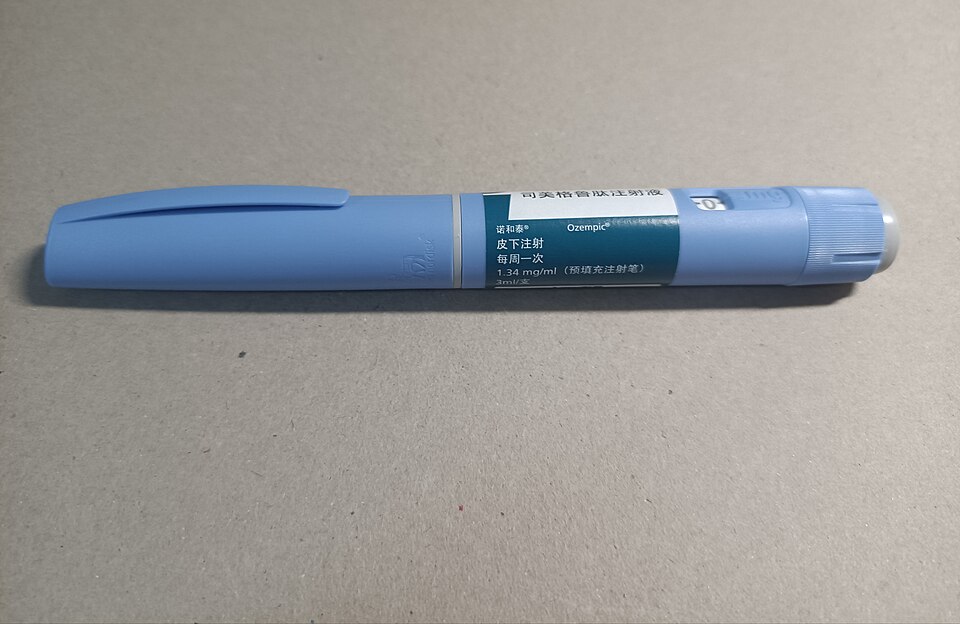
A nationwide study in Denmark found that women who began using semaglutide, the active ingredient in Wegovy and Ozempic, showed a measurable drop in their use of triptan medications, the standard drug class prescribed for acute migraine relief. The effect was not observed in men with overweight or obesity.
The research was presented at the European Congress on Obesity, held May 12 through 15, and has not yet been published in a peer-reviewed scientific journal. According to Healthline, researchers from the University of Southern Denmark conducted the study in collaboration with Novo Nordisk, the pharmaceutical company that manufactures semaglutide.
The study drew on Danish health registries, which contain comprehensive medical data on the country's entire population. Researchers focused on adults who started semaglutide for weight management between December 1, 2022, and June 30, 2024. The study group included nearly 150,000 people, roughly two-thirds of whom were female.
For each participant, researchers tracked triptan use for two years before starting semaglutide and for one year after. They measured consumption in defined daily doses each month and also looked at how many people became new triptan users during the study period. The data was further broken down by sex, age group, how consistently people stayed on the medication, and whether participants had previously used preventive migraine treatments.
Overall, about 4.6 percent of participants used triptans at some point during the study. Before starting semaglutide, triptan use among participants was rising. After they began the medication, that trend reversed and use declined gradually over the following year. At the one-year mark, researchers observed a modest but clear reduction in triptan consumption among female participants.
No significant change was found among male participants, a gap that researchers say may be related to sex-based differences in how the body processes semaglutide. Experts have also pointed to possible reductions in inflammation or intracranial pressure as mechanisms that could explain why the drug appears to affect migraine frequency or severity.
The findings add to a growing body of research into potential non-weight-loss benefits of GLP-1 receptor agonists like semaglutide. A separate recent study also found that GLP-1 medications may help reduce migraine severity more broadly. Researchers have stopped short of recommending semaglutide as a migraine treatment, noting that more research is needed before any such clinical guidance could be issued.
The study's reliance on registry data means it captures real-world medication patterns across a large population, though it does not establish a direct cause-and-effect relationship between semaglutide use and migraine relief. Peer review and further clinical investigation will be necessary to confirm the findings and to better understand why the effect appears limited to women.