A fossil site in northwestern Canada is rewriting the timeline for when complex animals first appeared in North America. Researchers found more than 100 fossils at the location, some dating back 567 million years, and the discovery pushes the origins of mobile, multicellular animals back by several million years compared to what scientists previously documented. The findings were published May 20 in the journal Science Advances.
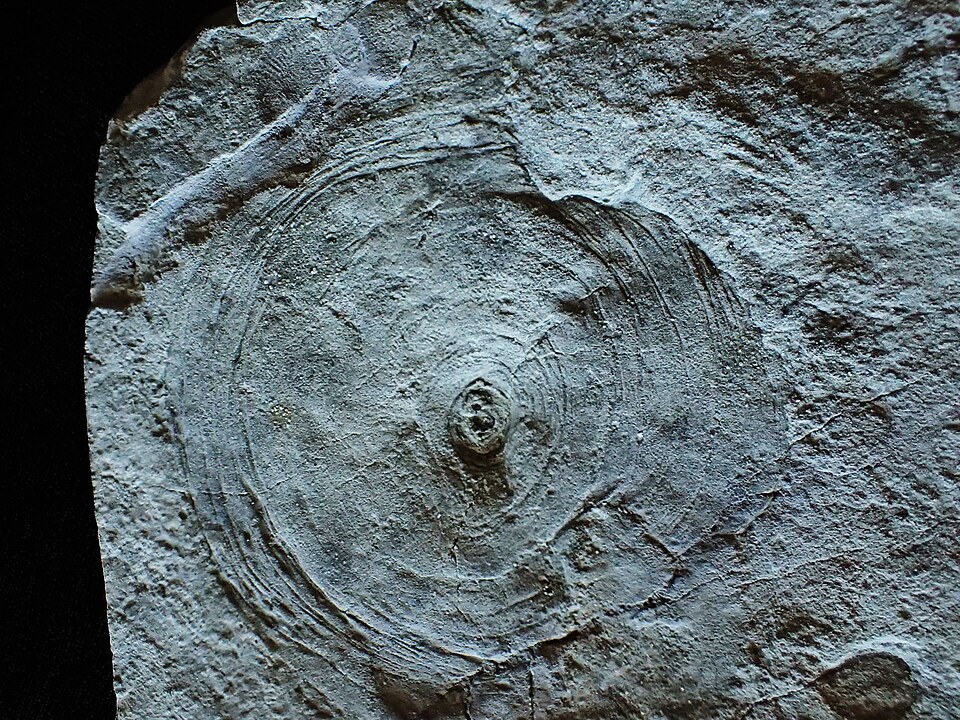
According to Live Science, the site contains six taxa never before found in North America, and several specimens belong to a category of ancient life known as the White Sea assemblage, which was previously documented only in Europe, Asia, and Australia. The Canadian fossils predate those other finds by 5 million to 10 million years.
Scott D. Evans, assistant curator of invertebrate paleontology at the American Museum of Natural History in New York City and a co-author of the study, described what makes the transition to complex animal life so remarkable. "For 3 billion years, life on Earth was dominated by microbes," Evans said in a statement. Then, all of a sudden, "we get these strange-looking marine animals big enough to see and capable of behaviors we would find familiar today. If we want to understand this transition, when life first became large, complex and unmistakenly animal, this new site has tremendous potential."
Complex, multicellular animals first evolved during the Ediacaran period, which ran from 635 million to 541 million years ago. At that time, North America was part of an ancient landmass called Laurentia, which predated the supercontinent Pangaea. Most early Ediacaran animals had soft bodies with no shells or bones, which makes fossilization rare and the fossils that do survive especially valuable.
Scientists typically divide Ediacaran fossils into three groupings based on when the animals lived. The earliest group, the Avalon assemblage, consisted of stationary animals living in deep water. The White Sea assemblage that followed included a more diverse range of animals in shallower environments. The third group, the Nama assemblage, contained the earliest animals to develop shells and bones.
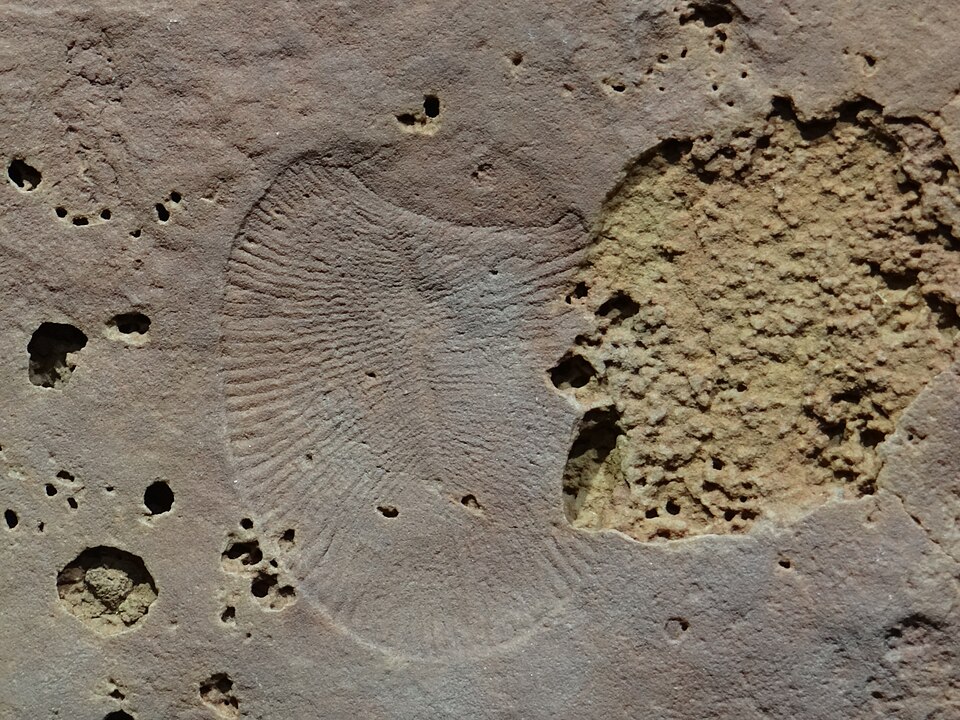
Among the fossils recovered at the Canadian site were Dickinsonia, a flat, oval-shaped organism that absorbed nutrients through its entire underside; Funisia, a tube-shaped creature considered the oldest evidence of sexual reproduction among animals; and Kimberella, an early mollusk that may now hold the record as the oldest fossil species to show bilateral symmetry, meaning a body plan with matching left and right sides.
The discovery adds a significant data point to one of paleontology's central questions: how and where the earliest recognizable animals first emerged. The fact that White Sea assemblage species appear in Canada millions of years before they do elsewhere suggests that the region may have played a larger role in early animal evolution than the fossil record previously indicated.