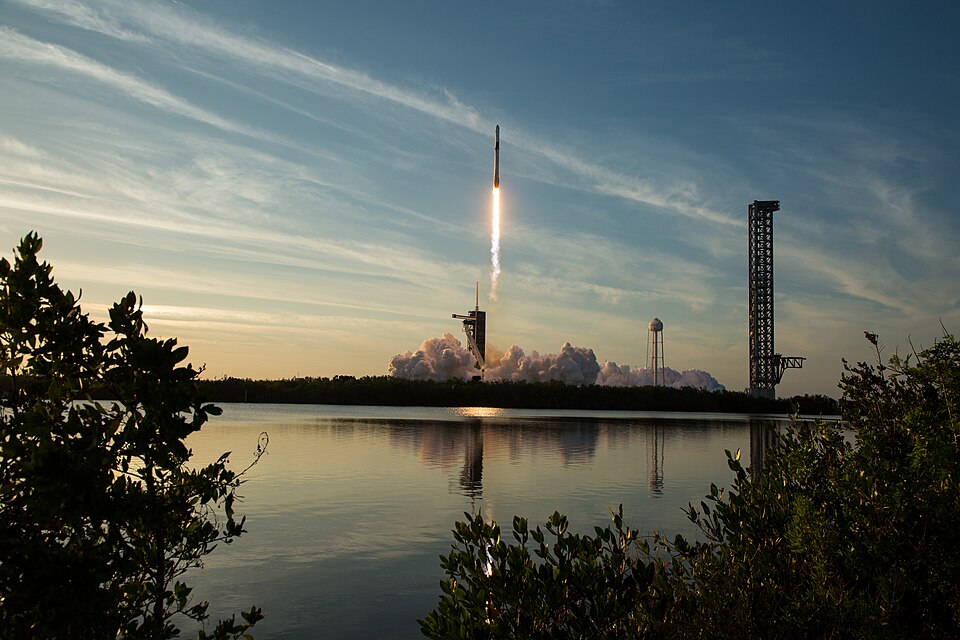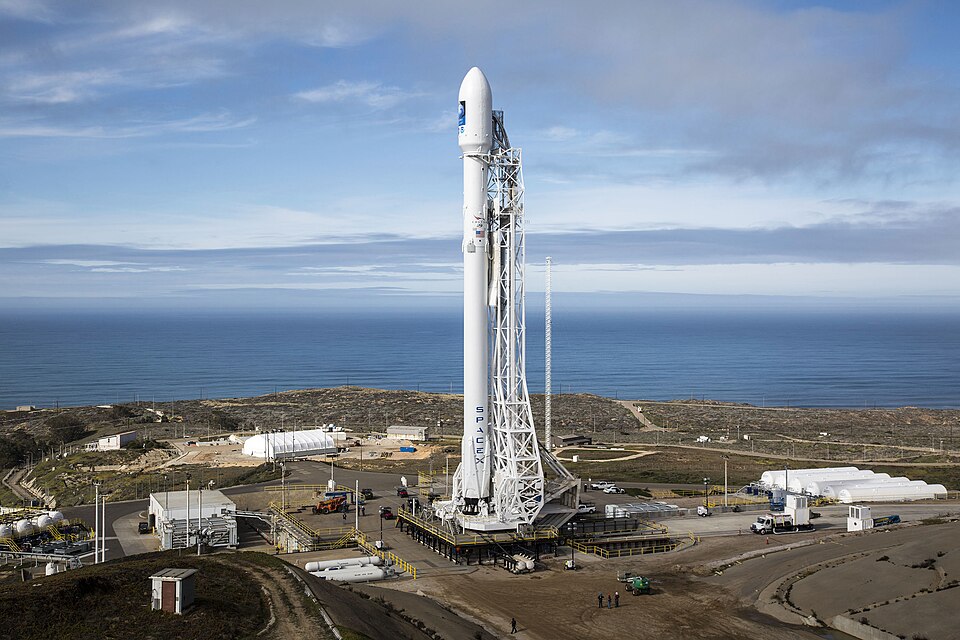
SpaceX filed a nearly 400-page document with the US Securities and Exchange Commission on Wednesday, disclosing detailed financial information for the first time in the company's 24-year history as a private firm. The filing sets the stage for a public stock offering as soon as June 12, with shares listed on Nasdaq under the symbol SPCX.
According to a report by Ars Technica, the company reported revenues of $18.67 billion in 2025, up from $14.02 billion the year before. Despite that growth, SpaceX recorded a net loss of $4.94 billion in 2025, largely due to spending on artificial intelligence development. In the first quarter of 2026 alone, the company brought in $4.69 billion in revenue while recording a net loss of $4.28 billion.
The filing did not specify how much SpaceX hopes to raise through the offering, but a draft IPO registration filed in April put that figure at up to $75 billion. That would surpass the current record of $29.4 billion set by Saudi Aramco in 2019. The IPO could push the company's total valuation above $1.75 trillion, which would potentially make Elon Musk, already the world's richest person, the world's first trillionaire based on his controlling stake.
One of the most striking elements of the filing is the scale of the market SpaceX believes it can eventually reach. The company projects a total addressable market of $28.5 trillion across its present and future offerings in space, data, and AI services. Of that figure, only about $2 trillion relates directly to space or its Starlink satellite internet network. The remaining $26.5 trillion is tied to AI, primarily from enterprise applications.
"We believe we have identified the largest TAM in human history," the company states on page 171 of the filing. "We believe our next trillion-dollar market is AI compute, which we contemplate will leverage our rockets and satellites for massive orbital deployment."
The company also disclosed that its AI market estimates rely partly on projections from third-party sources. "Our AI market estimates are based in part on projections of global data center compute demand from third-party sources, including estimates published by RAND Corporation, together with internal assumptions regarding the portion of global compute capacity that may be utilized for AI workloads and other operational assumptions such as power usage, utilization rates and pricing," the filing states.
SpaceX, founded by Musk in 2002, now operates across launch services, human spaceflight, satellite-based internet through Starlink, and, following its recent all-stock acquisition, xAI and the social media platform X, formerly known as Twitter. The company receives billions of dollars annually from the US government to launch satellites and support NASA programs.
Analysts at Wedbush described the xAI deal as part of a broader strategic push. "Musk wants to own and control more of the AI ecosystem, and step by step, the holy grail could be combining SpaceX and Tesla in some way to give the connected tissue between both disruptive tech stalwarts looking to lead the AI revolution," the Wedbush analysts said in a research note.
The company stated its purpose plainly in the SEC filing: "Our mission is to build the systems and technologies necessary to make life multiplanetary, to understand the true nature of the universe and to extend the light of consciousness to the stars."
SpaceX representatives did not immediately respond to requests for comment on the filing.